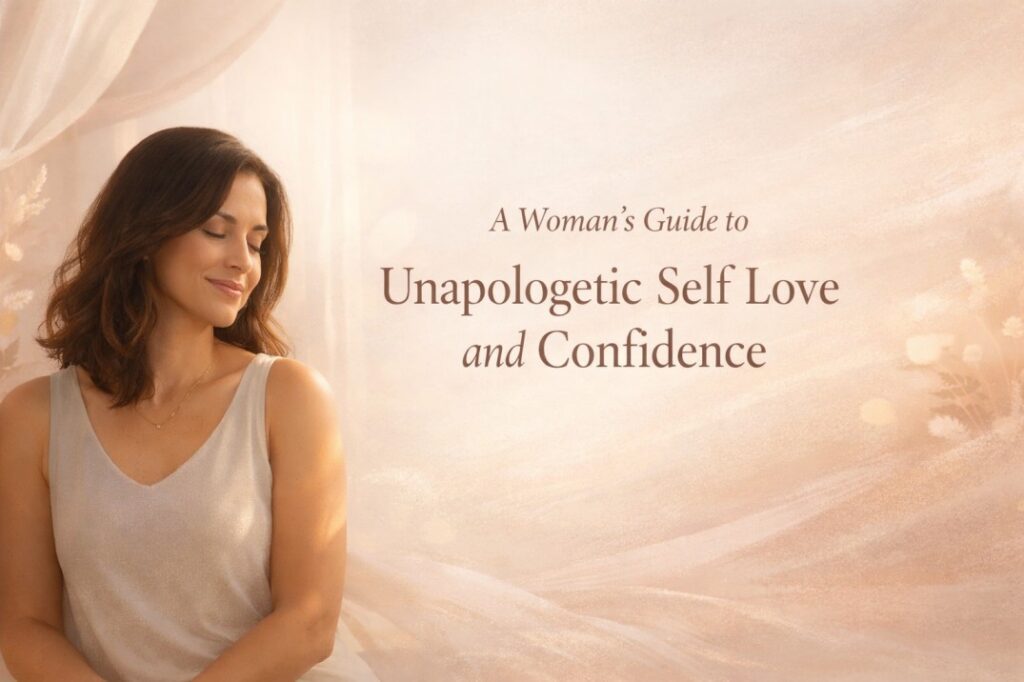
Unapologetic self-love often begins quietly, in moments where you pause before saying sorry for things that never required an apology. Many women apologize for existing, asking, resting, or speaking honestly.
This habit does not come from weakness. It grows from years of emotional conditioning that rewarded silence and punished confidence. Over time, apologizing became a safety tool.
This guide exists to help you step out of that pattern calmly. You will learn how to honor yourself without guilt, aggression, or emotional drama.
Why Women Apologize More Than Necessary
Many women apologize automatically, even when no mistake exists. This pattern often hides deeper emotional learning rather than conscious choice. Apologies once helped maintain peace, approval, or belonging. However, what protected you earlier can later limit your confidence.
Emotional Conditioning and Early Messaging
From childhood, many girls learn to be agreeable, polite, and accommodating. Praise often follows silence, compliance, and emotional restraint. Over time, apology becomes a reflex linked to love and acceptance. The body remembers safety more than logic.
Fear of Being Perceived as Difficult
Confidence often triggers fear of rejection. Many women worry that clarity will label them rude, selfish, or demanding. Apologizing feels safer than risking emotional discomfort. It reduces tension temporarily but increases inner conflict.
The Cost of Constant Self-Editing
When you filter every thought, exhaustion follows. You lose clarity, resentment builds, and self-trust slowly weakens. Your voice becomes softer while your needs grow louder inside.
The Hidden Impact of Over-Apologizing
Constant apologies reshape how you see yourself. They subtly teach the mind that your presence requires justification. Over time, this erodes emotional authority. You begin doubting your decisions, even when they feel right.
Emotional fatigue also appears. You feel drained after conversations that required no effort from others. Most importantly, over-apologizing disconnects you from unapologetic self-love. You start seeking permission instead of trusting inner clarity.
What Unapologetic Self-Love Truly Means
Unapologetic self-love does not mean being harsh, loud, or confrontational. It reflects calm confidence rooted in self-respect. This form of love allows boundaries without explanation. It supports kindness without self-sacrifice.
A confident woman does not need approval to feel worthy. She listens, responds thoughtfully, and honors her emotional limits. Unapologetic self-love feels steady, not reactive. It replaces guilt with grounded certainty.
Relearning Boundaries Without Guilt
Boundaries often trigger discomfort before relief arrives. Guilt appears because the nervous system associates limits with danger. Learning to sit with that discomfort is essential. You do not need to explain every choice.
When you stop justifying, your body slowly learns safety within self-respect. Calm replaces fear. Boundaries strengthen relationships that respect you. Others may adjust, but you remain aligned.
Building Confidence From the Inside Out
True confidence grows internally, not through behavior changes alone. It begins with trusting your emotional signals. When actions align with values, confidence stabilizes. You feel centered even during disagreement. Self-validation replaces external approval. Decisions feel cleaner and less draining.
How Dr. Kaveri Bhatt Helps Women Reclaim Inner Authority
Dr. Kaveri Bhatt works at the intersection of emotional science and techno-spiritual healing. Her approach addresses why apology patterns form at subconscious levels.
She uses trauma-informed methods to release emotional imprints stored in the nervous system. These imprints often drive guilt, fear, and people-pleasing. Her work focuses on subconscious release, emotional regulation, and practical tools. Women learn how to feel safe while setting boundaries.
Through guided processes, clients rebuild self-trust without emotional overwhelm. Confidence becomes embodied rather than forced. Her approach supports unapologetic self-love by restoring internal authority. Women stop reacting and start responding with clarity.
Success Story: From Apology to Authority
Ananya from Bengaluru constantly apologized at work, even while leading projects successfully. Feedback confused her because performance stayed strong, yet confidence felt low.
Through emotional release work, she recognized guilt patterns tied to childhood approval. With practice, she stopped over-explaining. Within weeks, her communication felt clear and grounded. Colleagues responded with respect, not resistance. Her confidence now feels calm and consistent.
User Reviews
Ritika Sharma, Delhi
“I finally understand why I apologized so much. The shift feels internal, not performative, and I feel calmer every day.”Meera Kulkarni, Pune
“This approach helped me set boundaries without guilt. My relationships feel healthier and more balanced now.”Sonal Mehta, Ahmedabad
“I feel confident without forcing myself to change. The emotional tools feel practical and deeply grounding.”
Forum Discussions
Question by Neha, Mumbai:
Is it normal to feel anxious after stopping constant apologies?Answer: Yes. Anxiety often appears before confidence stabilizes. Your nervous system adjusts to new emotional safety patterns gradually.
Question by Kavya, Jaipur:
Will people react negatively when I stop over-apologizing?Answer: Some may notice change. Those who respect you will adapt. Others reveal dynamics that no longer serve you.
Practical Habits to Stop Apologizing Daily
- Pause before responding: Silence creates space for intentional language.
- Replace apologies with appreciation: “Thank you for waiting” instead of “Sorry I’m late.”
- Observe body sensations: Let discomfort pass without reacting.
- Practice short statements: Less explanation builds inner trust.
These habits support unapologetic self-love through consistency, not pressure.
Frequently Asked Questions
Is unapologetic self-love selfish or inconsiderate?
No. It honors emotional truth while respecting others. Self-respect creates healthier connections and reduces resentment over time.
How long does it take to stop apologizing automatically?
Change depends on awareness and practice. Most women notice emotional shifts within weeks when consistency remains steady.
What if guilt feels overwhelming initially?
Guilt often signals old conditioning. With patience, the nervous system learns safety through repetition and compassion.
Can confidence exist without confrontation?
Yes. Calm clarity often communicates boundaries more effectively than emotional intensity or argument.
Conclusion
Confidence does not require permission. You are allowed to exist without apology. Unapologetic self-love grows when you trust yourself quietly and consistently. It replaces fear with calm authority.
You do not need to become louder or harder. You simply become clearer. Choosing yourself gently is not selfish. It is necessary.