
Building a Peaceful Family Life rarely starts with a big decision. It usually begins with a quiet realization that something feels heavy at home. Conversations may sound normal, yet they leave a strange discomfort behind. You sense love, but you also sense distance.
Sometimes arguments repeat in different forms. At other times, silence replaces honest dialogue. You may wonder if setting boundaries will create more conflict. Or you may fear that speaking openly will hurt someone you care about.
However, avoiding discomfort slowly builds resentment. Over time, emotional suppression creates tension that touches everyone in the house. Therefore, true peace asks for courage. It invites awareness before action.
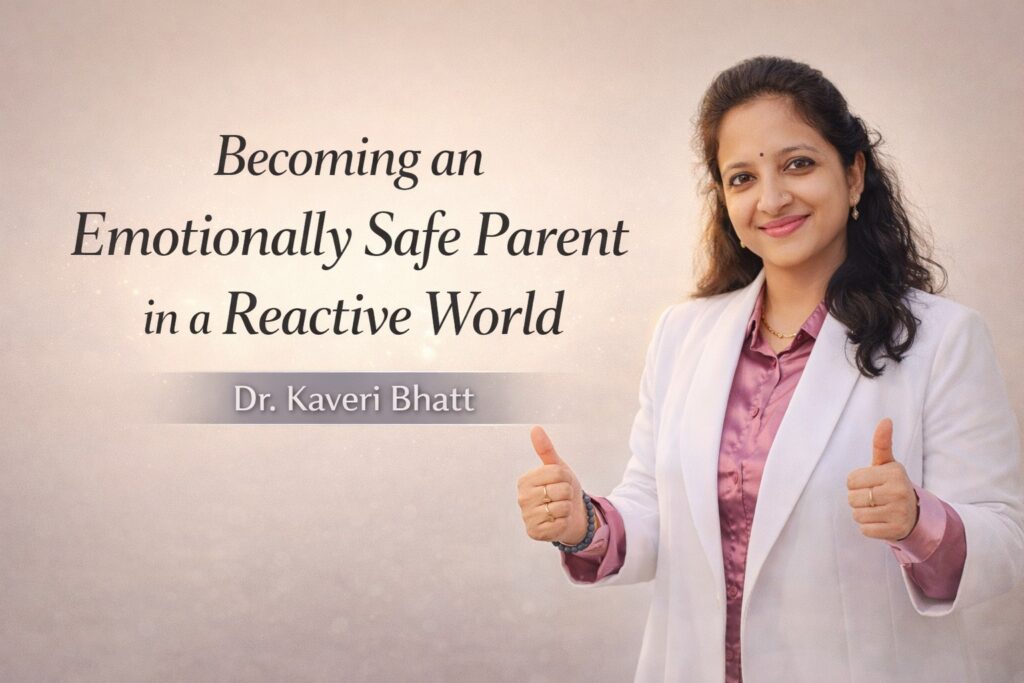
Dr. Kaveri Bhatt often says that families do not lack love. They lack emotional clarity. And clarity changes everything. This clarity is the true foundation of Building a Peaceful Family Life.
In this Guide:
Why Families Struggle With Communication
Families carry invisible emotional histories. Each member grows up with different expectations about respect, care, and responsibility. When these expectations remain unspoken, misunderstandings grow quietly.
For instance, one person may expect appreciation for small efforts. Another may believe duty requires no acknowledgment. Neither is wrong, yet both feel unseen. Consequently, irritation builds without clear explanation.
Moreover, many people communicate through reaction instead of reflection. A raised voice may hide hurt. Withdrawal may hide fear. As a result, conversations become defensive rather than supportive.
When awareness increases, blame decreases. Once you recognize patterns, you stop personalizing every reaction. That shift alone softens many conflicts. It is a vital step in Building a Peaceful Family Life.
The Hidden Weight of Unspoken Expectations
Unspoken expectations often create the deepest wounds. You assume your partner understands your exhaustion. You expect your child to sense your stress. Yet nobody articulates these needs clearly.
Eventually, disappointment turns into resentment. Then small issues trigger large reactions. Although the surface problem looks minor, the emotional history underneath feels heavy.
Therefore, speaking gently about needs changes the emotional atmosphere. Clear communication reduces guesswork. It also builds respect because everyone understands what matters to the other person.
How Past Emotional Wounds Shape Present Reactions
Many family conflicts connect to old emotional memories. A tone of voice may remind you of childhood criticism. Silence may trigger feelings of abandonment. Although the current situation feels immediate, the reaction often carries the past.
Dr. Kaveri Bhatt works with this deeper layer. She understands that emotional triggers rarely begin in the present moment. Instead, they reflect stored experiences within the subconscious mind.
When individuals process unresolved memories, their responses change naturally. They pause instead of reacting. They listen instead of defending. Gradually, this awareness transforms daily interactions.
The Role of Boundaries in Building a Peaceful Family Life
Building a Peaceful Family Life requires boundaries that feel firm yet kind. Many people confuse boundaries with rejection. However, boundaries simply define emotional space. They clarify what feels respectful and what does not.
Without boundaries, resentment grows silently. With healthy boundaries, communication becomes transparent. You express needs without aggression. You say no without guilt. As a result, trust increases because expectations stay clear.
Boundaries also protect emotional energy. When family members know their limits, they avoid unnecessary arguments. Instead of escalating conflict, they choose conscious dialogue.
Boundaries Are Not Walls
A boundary does not shut people out. Instead, it invites mutual respect. When you calmly explain what feels uncomfortable, you create safety for honest conversation.
People often fear losing love if they assert themselves. Yet silence slowly damages connection more than clarity ever could. Therefore, clear boundaries strengthen relationships rather than weaken them.
Guilt, Fear, and Fear of Rejection
Guilt often appears when you begin setting limits. You may worry about seeming selfish. You may fear disappointing elders or upsetting children. These fears feel real because many cultures reward self-sacrifice.
However, constant self-neglect creates hidden anger. Over time, suppressed frustration surfaces unexpectedly. Therefore, learning to say no calmly becomes an act of responsibility, not rebellion.
Building a Peaceful Family Life depends on this emotional maturity. When each member feels heard and respected, harmony feels natural rather than forced.
How Dr. Kaveri Bhatt Helps Families Heal
Dr. Kaveri Bhatt brings a unique techno-spiritual healing approach to family dynamics. With decades of experience in both technology and holistic wellness, she understands emotional patterns with clarity and structure.
She works through subconscious release methods that address stored emotional memories. Instead of only teaching communication techniques, she helps individuals process unresolved trauma. This trauma-informed work creates lasting change rather than temporary adjustment.
Through inner child healing, emotional awareness sessions, and guided reflection practices, she helps clients understand their triggers. Additionally, she offers practical emotional tools that families can apply daily. These include conscious listening exercises and structured boundary conversations.
Her sessions feel calm and grounded. She does not rush emotional breakthroughs. Instead, she creates safe spaces where individuals explore resistance gently. Over time, families notice reduced conflict and increased empathy.
Most importantly, she focuses on real-world integration. Healing does not remain theoretical. It translates into respectful dialogue, clearer roles, and emotional safety at home. This is the practical essence of Building a Peaceful Family Life.
Success Story
A couple from Pune approached Dr. Kaveri Bhatt after years of repetitive arguments. They loved each other deeply, yet minor issues escalated quickly. Both felt misunderstood.
During sessions, they discovered unresolved childhood experiences influencing their reactions. The husband carried fear of criticism. The wife carried fear of abandonment. Once they understood this connection, compassion replaced blame.
Within months, their communication softened. They practiced conscious pauses before reacting. Gradually, their home atmosphere shifted from tension to warmth.
What Families Say
Anita Sharma from Delhi shares that sessions helped her speak openly without fear. She says her relationship with her teenage daughter feels lighter and more respectful now.
Rahul Mehta from Mumbai explains that understanding subconscious triggers changed his perspective. He reports fewer conflicts and more meaningful conversations.
Sneha Iyer from Bengaluru appreciates the balanced blend of emotional healing and practical tools. She feels empowered rather than dependent on therapy.
Forum Conversations
Question: Do boundaries create emotional distance?
Answer: One forum member asked whether boundaries create emotional distance. Dr. Kaveri Bhatt responded that respectful boundaries build closeness because they remove hidden resentment. She explained that clarity prevents misunderstandings from growing silently.
Question: How to handle resistant family members?
Answer: Another participant questioned how to handle resistant family members. She advised beginning with personal awareness first. When one person shifts calmly, others gradually respond differently.
Frequently Asked Questions
How long does it take to see change in family dynamics?
Many people ask how long it takes to see change in family dynamics when Building a Peaceful Family Life. The timeline varies because each family carries unique emotional histories. However, consistent awareness and guided healing usually create noticeable improvement within months.
Can one person initiate peace alone?
Some wonder whether one person can initiate peace alone. While collective effort helps, individual clarity often shifts the emotional environment significantly. Change rarely requires everyone to begin simultaneously.
Will setting boundaries upset elders?
Others question if setting boundaries may upset elders. Respectful communication combined with empathy reduces backlash. Clarity delivered calmly often earns more respect than silent compliance.
How do children adapt to new communication patterns?
A common concern involves children adapting to new communication patterns. Children respond positively when parents model emotional honesty consistently. Stability grows when adults demonstrate calm boundaries.
Does spiritual healing replace practical action?
People also ask whether spiritual healing replaces practical action. Emotional processing supports practical steps rather than replacing them. Inner clarity strengthens external communication.
Conclusion
Building a Peaceful Family Life requires courage, reflection, and emotional honesty. It does not demand perfection. Instead, it asks for awareness and willingness to grow.
When communication becomes conscious and boundaries feel respectful, harmony follows naturally. Families rediscover warmth that once felt distant.
Dr. Kaveri Bhatt reminds us that peace begins within each individual. Once inner clarity stabilizes, external relationships align gently. And slowly, home transforms into a space of trust, safety, and genuine connection.
Start creating a calmer, more connected home today.