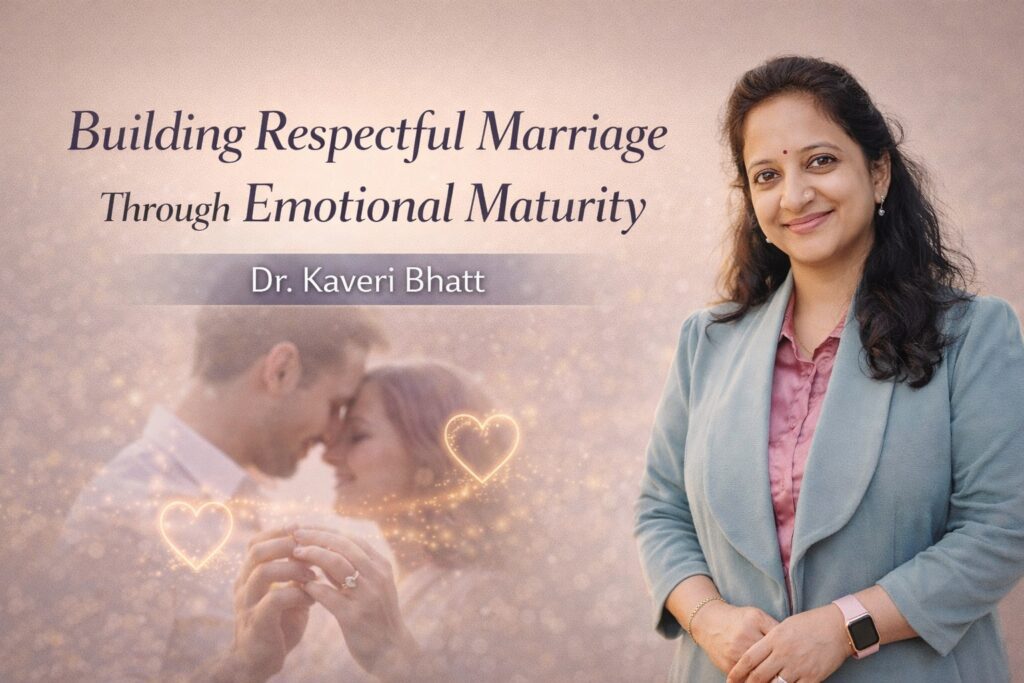
Building Respectful Marriage often begins in a quiet moment after an argument, when the house feels heavy and both partners feel misunderstood. You may still love each other deeply, yet something in the tone of conversations has changed. Respect feels fragile, and confusion slowly replaces clarity.
Most couples do not intend to hurt each other. However, emotional reactions rise faster than conscious thought. As a result, small disagreements turn into repeated patterns. This is not a failure of character. It is often a sign of emotional immaturity that neither partner was taught to recognize.
In this Guide:
Why Emotional Immaturity Quietly Damages Marriage
Emotional immaturity shows up in subtle ways. You react before you listen. You defend before you understand. Then both partners feel attacked instead of heard. During conflict, the nervous system activates quickly. Heart rate increases, tone sharpens, and past memories quietly influence the present.
When you pause before responding, the dynamic changes. A few steady breaths can interrupt escalation. From that awareness, Building Respectful Marriage becomes possible in a grounded way.
How Unresolved Triggers Shape Communication
Many arguments connect to older emotional wounds. A partner’s silence may remind you of childhood neglect. Therefore, you may respond to your partner as if they are someone from your past. When both partners acknowledge emotional triggers, Building Respectful Marriage becomes rooted in awareness rather than accusation.
Understanding Emotional Maturity in Marriage
Emotional maturity begins with self observation. Before correcting your partner, you notice your own tension. When you observe your reaction honestly, you regain control. You stop outsourcing responsibility for your emotions. Respect grows when accountability replaces projection.
Taking Responsibility Without Self Blame
Responsibility often feels uncomfortable. However, healthy responsibility strengthens relationships. When you say, “I reacted harshly,” without blaming yourself, you create safety. Blame shuts conversations down. Responsibility opens them.
The Role of Subconscious Patterns in Relationship Conflict
Early experiences shape adult behavior more than most realize. If affection felt conditional in childhood, you may seek reassurance intensely. These patterns operate subconsciously. Therefore, partners often misinterpret reactions as personality flaws. Compassion toward past pain reduces present reactivity and strengthens Building Respectful Marriage from within.
Trauma Imprints in Marriage Dynamics
Trauma does not always look dramatic. It may appear as emotional withdrawal or sudden anger. The body remembers experiences even when the mind minimizes them. Trauma informed awareness shifts the narrative. Instead of labeling a partner as difficult, you explore what feels unsafe internally.
How Dr. Kaveri Bhatt Helps in Building Respectful Marriage
Dr. Kaveri Bhatt integrates science based emotional tools with spiritual awareness. Her approach respects both psychological insight and inner consciousness. This balanced method addresses surface conflict and deeper emotional roots.
She guides clients through structured reflection and subconscious healing. Techniques such as inner child healing and emotional release processes help clients identify hidden triggers. As both partners regulate better, Building Respectful Marriage becomes a natural outcome.
Practical Emotional Tools
Beyond insight, she offers practical tools. Couples practice regulated communication, reflective listening, and structured repair conversations. Consistency matters more than intensity. Therefore, she emphasizes small, repeatable practices.
Success Story: From Silence to Connection
Rohit and Meera came seeking help after years of recurring arguments. Each felt unheard. Silence followed every conflict. They needed guidance on Building Respectful Marriage to save their bond.
During sessions, they discovered unresolved triggers connected to early family experiences. Through guided subconscious work, their conversations softened. Six months later, they described their marriage as calmer. Their journey reflects how respect becomes sustainable when emotional maturity strengthens.
What Clients Share
Anita from Mumbai: “Sessions helped me understand my triggers. I feel confident expressing needs without guilt.”
Rahul from Delhi: “Nervous system tools changed how I handle conflict. Fewer escalations and deeper connection.”
Priya from Bengaluru: “Subconscious healing reduced years of resentment. I feel hopeful about our partnership.”
Community Forum Conversations
Question: Can emotional maturity develop after many years?
Answer: Yes. Growth remains possible at any stage with awareness and consistent effort.
Question: Can one partner’s effort rebuild respect?
Answer: One person’s regulation shifts dynamics. However, sustainable Building Respectful Marriage thrives when both engage.
Frequently Asked Questions
How long does it take to rebuild respect?
Small improvements often appear within weeks, while deeper trust may take months of consistency.
Does emotional maturity mean suppressing anger?
No. It encourages expressing anger responsibly, maintaining clarity and self control.
Does trauma informed work apply to subtle wounds?
Yes. Even small repeated experiences can shape behavior significantly.
What if my partner resists?
Gentle invitation works better than pressure. Modeling calm communication often inspires openness.
Will conflict disappear?
No. Building Respectful Marriage ensures conflict strengthens understanding instead of weakening connection.
Conclusion
Building Respectful Marriage requires patience, awareness, and emotional courage. It asks each partner to look inward before pointing outward. Although this feels uncomfortable initially, it creates lasting stability.
When emotional maturity grows, reactions soften. Communication becomes clearer. Trust rebuilds steadily. Most importantly, both partners regain self respect alongside mutual respect.
Need personalized guidance?