
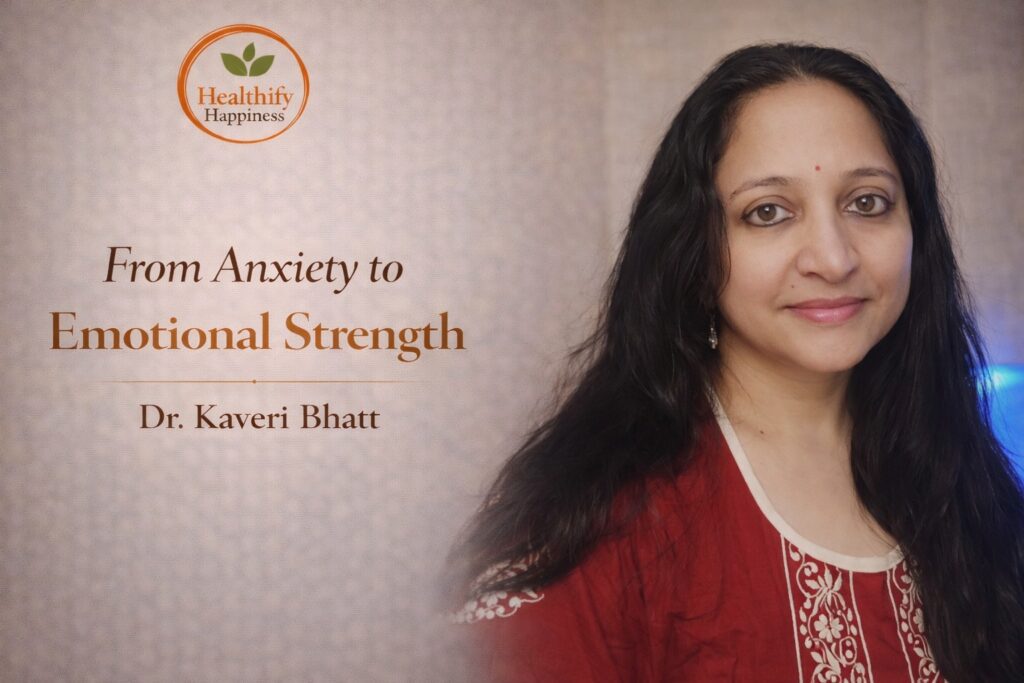
Many people begin the journey from anxiety to emotional strength quietly. It often starts with a feeling that something inside does not feel stable anymore.
Anxiety can appear as racing thoughts, sudden fear, or constant emotional tension. Small situations may suddenly feel overwhelming. Even peaceful moments can carry hidden restlessness.
At first, people try to control these emotions through logic or distraction. However, emotional anxiety rarely disappears through control alone.
Gradually, individuals realize that anxiety is not simply a problem to remove. Instead, it becomes a signal pointing toward deeper emotional needs.
In this Guide:
- 🔹 Understanding Why Anxiety Feels So Overwhelming
- 🔹 The Emotional Patterns That Keep Anxiety Alive
- 🔹 The Turning Point From Emotional Chaos to Awareness
- 🔹 How Emotional Strength Slowly Develops
- 🔹 How Dr Kaveri Bhatt Helps
- 🔹 Success Story
- 🔹 User Reviews
- 🔹 Forum Conversations
- 🔹 Frequently Asked Questions
When someone begins listening to these signals with curiosity rather than fear, the movement from anxiety to emotional strength slowly begins.
This journey does not remove emotions. Instead, it transforms the way a person understands and responds to them.
Understanding Why Anxiety Feels So Overwhelming
Anxiety rarely arrives without reason. Yet it often feels confusing because its source hides beneath the surface of daily life.
Many people experience emotional reactions that feel disproportionate to the situation. A small disagreement might trigger deep worry. A simple decision may create unexpected tension.
These reactions often arise because the nervous system carries emotional memories. Past experiences sometimes shape present reactions without conscious awareness.
As a result, anxiety can feel unpredictable. However, when people begin observing their emotional responses carefully, hidden patterns slowly become visible.
This awareness marks the beginning of understanding emotional reactions rather than fearing them.
The Hidden Emotional Signals Behind Anxiety
Anxiety frequently acts as a protective signal from the nervous system. It tries to alert the mind that something feels emotionally unsafe.
The body remembers emotional experiences even when the mind forgets them. Because of this, situations that resemble past stress may trigger anxiety automatically.
This response does not mean a person is weak. Instead, it shows that the emotional system is attempting to maintain safety.
When people learn to interpret these signals with compassion, anxiety becomes easier to understand.
Why Many People Misinterpret Their Emotional Responses
Many individuals believe emotional reactions reflect personal failure. They assume they should always remain calm or controlled.
However, emotional responses usually emerge from subconscious patterns rather than deliberate choices.
Society often encourages people to suppress emotions instead of understanding them. Over time, suppressed feelings continue influencing thoughts and behavior.
Once individuals recognize this pattern, they begin approaching their emotions with greater curiosity.
This shift creates the first step toward emotional clarity.
The Emotional Patterns That Keep Anxiety Alive
Anxiety often continues because certain emotional patterns repeat quietly in daily life.
These patterns usually form during earlier experiences where emotional safety felt uncertain. The nervous system learns to react quickly in order to prevent future discomfort.
Although this reaction once served a protective role, it may continue long after the original situation has passed.
Because of this, people sometimes feel anxious even in safe environments. Their emotional system still responds to old signals.
Understanding these repeating patterns helps individuals recognize that anxiety is not random. Instead, it often follows familiar emotional pathways.
Once those pathways become visible, people gain the ability to gradually change them.
How Unprocessed Emotions Influence Daily Reactions
Unprocessed emotions rarely disappear on their own. Instead, they remain stored within the emotional system.
Over time, these unresolved feelings can influence reactions to everyday events. A minor disappointment might awaken deeper emotional memories.
Because the connection feels unclear, individuals often feel confused by their own reactions.
Acknowledging these emotions gently allows the healing process to begin.
When people allow themselves to feel and understand these emotions, their intensity slowly decreases.
Why Emotional Triggers Often Repeat in Relationships
Many people notice similar emotional conflicts appearing in multiple relationships.
This pattern occurs because emotional triggers often connect to earlier experiences where emotional needs were not fully met.
When a current situation resembles that earlier feeling, the emotional system reacts automatically.
As a result, a present conversation may awaken old emotional responses.
Recognizing these triggers helps individuals respond with awareness rather than reacting impulsively.
Over time, this awareness reduces emotional reactivity within relationships.
The Turning Point From Emotional Chaos to Awareness
Every emotional healing journey eventually reaches a turning point. This moment appears when individuals begin observing their emotions instead of fighting them.
Rather than asking why anxiety exists, people start asking what it might be communicating.
This shift transforms emotional chaos into curiosity.
Gradually, individuals recognize that their emotional system is not working against them. Instead, it attempts to protect and guide them.
When people develop this awareness, the path from anxiety to emotional strength becomes clearer.
They no longer feel trapped by emotional reactions. Instead, they learn how to work with them.
Recognizing Emotional Triggers Without Judgment
Healing begins when people observe emotional triggers calmly.
Instead of criticizing themselves for feeling anxious, they begin asking gentle questions about what triggered the response.
This compassionate observation allows deeper emotional understanding.
Judgment often creates resistance within the emotional system. Curiosity, however, opens space for healing.
When individuals approach their emotions with patience, emotional clarity gradually increases.
Learning to Pause Instead of React
Emotional strength develops through small moments of awareness.
One of the most powerful skills involves learning to pause before reacting.
This pause creates space between the emotional trigger and the response.
Within that space, individuals can choose how they wish to respond.
Over time, these pauses strengthen emotional regulation.
Gradually, people discover that they possess more control over their reactions than they once believed.
How Emotional Strength Slowly Develops
Emotional strength rarely appears suddenly. Instead, it grows through consistent emotional awareness.
Many people assume emotional strength means suppressing feelings. In reality, true strength involves understanding emotions without becoming overwhelmed by them.
As individuals practice observing their emotions, their nervous system begins feeling safer.
This sense of internal safety allows emotional responses to settle naturally.
Through this process, the journey from anxiety to emotional strength becomes visible.
Rather than eliminating emotions, individuals develop the ability to experience them without losing inner stability.
Building Inner Stability Through Emotional Awareness
Emotional awareness acts as the foundation of emotional strength.
When people notice emotional shifts early, they gain time to respond thoughtfully.
Instead of reacting impulsively, they begin choosing responses that support emotional balance.
This awareness gradually strengthens emotional resilience.
As individuals continue practicing emotional observation, their inner stability becomes more consistent.
The Role of Self Regulation in Emotional Healing
Self regulation refers to the ability to calm the nervous system during emotional stress.
This skill involves simple practices such as slow breathing, mindful observation, and grounding attention in the present moment.
These practices signal safety to the nervous system.
When the nervous system feels safe, emotional reactions become easier to manage.
With time, self regulation helps individuals build lasting emotional resilience.
How Dr Kaveri Bhatt Helps
Many individuals benefit from guidance when navigating emotional healing. Dr. Kaveri Bhatt provides structured support for those seeking deeper emotional transformation.
Her approach combines modern emotional awareness with deeper subconscious healing methods. This integrated perspective allows individuals to understand both conscious emotions and hidden emotional patterns.
Rather than offering quick solutions, her work focuses on long term emotional stability. Clients learn to explore their emotions safely while gradually strengthening emotional resilience.
This supportive environment allows people to reconnect with their inner stability.
The Techno Spiritual Healing Approach
Dr Kaveri Bhatt integrates psychological understanding with deeper spiritual awareness.
This techno spiritual approach recognizes that emotional healing involves both mental patterns and energetic balance.
Clients learn how emotional awareness, mindfulness, and spiritual insight work together to create lasting emotional stability.
This integrated perspective allows healing to occur at multiple levels of the emotional system.
Subconscious Release and Trauma Informed Healing Methods
Many emotional patterns operate beneath conscious awareness.
Through trauma informed practices, individuals learn how subconscious emotional memories influence present reactions.
Subconscious release methods gently uncover these patterns and allow emotional energy to move safely.
This process helps individuals release emotional tension that may have remained stored for years.
Practical Emotional Tools for Real Life Integration
Emotional healing must function in daily life.
Clients receive practical tools that help them manage emotional triggers, relationship conflicts, and internal stress.
For example, learning healthy communication patterns through building emotional connection practices helps individuals create deeper relationship stability.
Real transformation also becomes visible through experiences like this emotional healing success story, where emotional awareness leads to lasting change.
Over time, individuals learn to maintain emotional balance even during challenging situations.
Success Story
Real Life Journey From Emotional Overwhelm to Inner Strength
Meera Kapoor from Pune spent years feeling emotionally overwhelmed by her own thoughts.
She described constant anxiety during normal conversations. Small misunderstandings in relationships triggered deep emotional reactions.
For a long time, she believed something was wrong with her personality. However, deeper exploration revealed that many reactions connected to earlier emotional experiences where her feelings had been dismissed.
As she began understanding these patterns, her perspective shifted.
Instead of criticizing herself, she learned to observe emotional triggers calmly.
Through guided emotional awareness practices, she gradually developed the ability to pause before reacting.
Over time, her anxiety decreased significantly.
Today, Meera describes a quiet sense of inner stability she never experienced before.
Situations that once created emotional chaos now feel manageable.
Her journey illustrates how understanding emotional patterns can transform anxiety into emotional strength.
User Reviews
Review One
Arjun Patel, Ahmedabad
For years I struggled with unexplained anxiety during work meetings. Learning how emotional triggers worked changed my perspective completely. I now recognize when my emotional system reacts and respond calmly instead of panicking.
Review Two
Sneha Kulkarni, Nagpur
I always believed emotional sensitivity was a weakness. Understanding emotional awareness helped me accept my feelings without judgment. Gradually my confidence improved and my relationships became much healthier.
Review Three
Devansh Mehta, Chandigarh
The emotional tools I learned helped me manage stress during difficult family situations. Instead of reacting instantly, I now pause and understand what I am feeling. This change improved both my emotional balance and communication.
Forum Conversations
Forum Question One
I often feel anxious even when nothing stressful is happening. Why does this happen?
Anxiety sometimes reflects stored emotional tension rather than present danger. When the nervous system remembers earlier stress, it may remain alert even in calm situations.
Learning emotional awareness and self regulation gradually helps the nervous system recognize safety again.
With time and practice, these reactions usually become less intense.
Forum Question Two
Can emotional strength really be developed if someone has struggled with anxiety for many years?
Yes, emotional strength develops gradually regardless of how long anxiety has existed.
The nervous system remains capable of change throughout life. Through emotional awareness, self regulation practices, and supportive guidance, individuals can rebuild emotional stability step by step.
Consistency matters more than speed in emotional healing.
Frequently Asked Questions
What does emotional strength actually mean?
Emotional strength refers to the ability to experience emotions without becoming overwhelmed by them. It involves awareness, self regulation, and the capacity to respond thoughtfully during emotionally challenging situations.
Can anxiety ever fully disappear?
For many people anxiety decreases significantly when emotional patterns are understood. While occasional stress may remain normal, emotional awareness helps prevent anxiety from dominating daily life.
How long does emotional healing usually take?
Emotional healing varies for each individual. Some changes appear quickly, while deeper emotional patterns may require consistent practice and support over time.
Is emotional awareness difficult to learn?
Most people can develop emotional awareness gradually through simple observation practices. With patience and guidance, recognizing emotional patterns becomes easier.
When should someone seek professional support for anxiety?
Professional support becomes helpful when anxiety consistently interferes with relationships, work, or emotional well being. Guidance provides structure and safety during deeper emotional exploration.
Conclusion
The journey from anxiety to emotional strength rarely happens overnight.
Instead, it unfolds through gradual awareness, compassionate self understanding, and consistent emotional practice.
When people begin observing their emotional patterns with curiosity rather than judgment, their inner experience begins to shift.
Anxiety no longer appears as an enemy. Instead, it becomes a signal guiding deeper emotional understanding.
With time, individuals develop the ability to respond to life with calm awareness rather than emotional reactivity.
This transformation represents the true meaning of emotional strength.
It begins with listening to what emotions are trying to communicate.
Start Your Emotional Healing Journey Today