
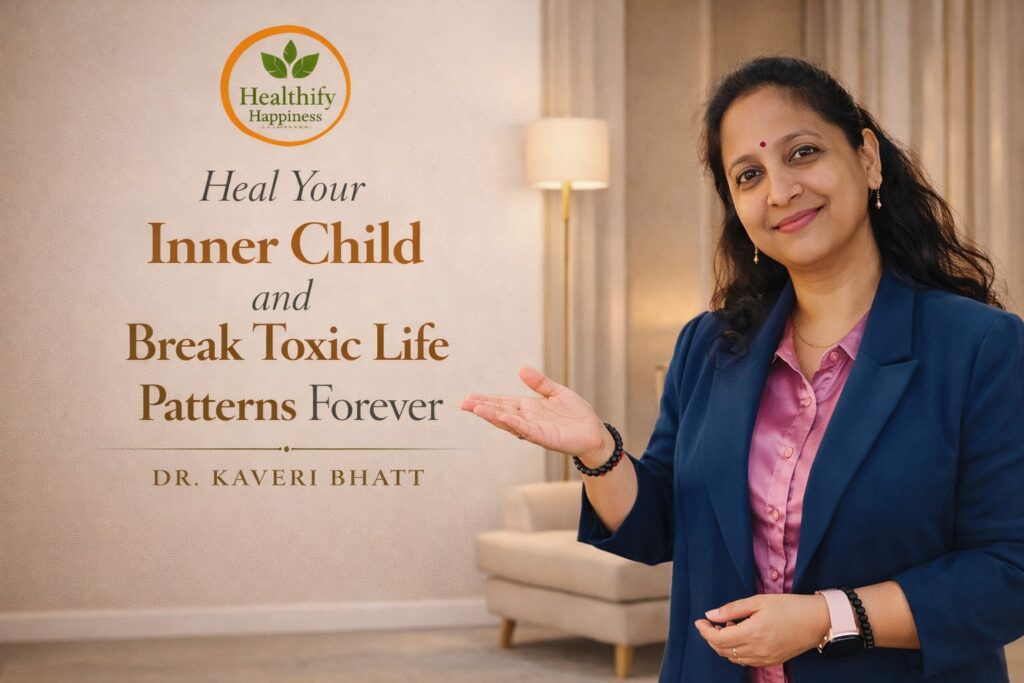
To Heal Your Inner Child is not about revisiting painful memories for emotional drama. It is about understanding why certain reactions still feel larger than the present moment. Many adults function well on the surface, yet carry unresolved emotional imprints beneath daily responsibilities.
You may notice sudden anger that feels out of proportion. Perhaps you struggle with rejection, even in safe relationships. Although your logical mind knows better, your emotional body reacts first.
This experience often creates confusion. You question your maturity, your strength, or even your stability. In reality, a younger part of you may still be seeking safety.
When we gently explore that younger part, something shifts. Instead of fighting your reactions, you begin to understand them.
In this Guide:
Why Adults Still Carry Emotional Wounds
Childhood does not end when we grow up. The nervous system remembers experiences long after the mind forgets details. If you felt unseen, unheard, or unsafe as a child, those emotions often shape adult behavior.
Emotional wounds rarely announce themselves directly. Instead, they appear as overthinking, people pleasing, self sabotage, or fear of abandonment. These behaviors often look irrational, yet they make sense when viewed through past experiences.
For example, a child who had to earn approval may become an adult who constantly overworks. A child who experienced unpredictability may grow into someone who fears intimacy.
Understanding this link creates relief. You stop labeling yourself as flawed. Instead, you recognize patterns that once protected you.
The Hidden Language of Emotional Triggers
Emotional triggers act as signals. They highlight moments when your present touches unresolved past pain. While triggers feel uncomfortable, they also carry valuable information.
Rather than asking, “Why am I like this?” a gentler question emerges. “When did I first feel this way?”
That shift changes everything. It replaces self criticism with curiosity. Over time, curiosity becomes compassion.
How Subconscious Patterns Repeat in Relationships
The subconscious seeks familiarity. Even painful familiarity can feel safer than unknown peace. Therefore, many people unknowingly recreate childhood dynamics in adult relationships.
You might choose emotionally unavailable partners because inconsistency feels normal. You may avoid conflict because speaking up once led to rejection.
When awareness grows, repetition weakens. You begin to pause before reacting. That pause creates choice.
What It Truly Means to Heal Your Inner Child
To Heal Your Inner Child means offering the emotional safety that was once missing. It does not require blaming caregivers. Instead, it involves acknowledging unmet needs without denial.
Healing focuses on integration. You do not erase your past. You learn to relate to it differently.
Many people fear that exploring childhood pain will reopen wounds. However, guided work allows you to process experiences gradually and safely.
As you build awareness, emotional responses soften. You feel less reactive and more grounded. Slowly, your adult self becomes the protective presence your younger self needed.
Moving Beyond Blame and Into Awareness
Blame keeps you stuck in powerlessness. Awareness restores responsibility. While you cannot change your childhood, you can change how it influences your present.
This perspective does not excuse harmful experiences. Instead, it helps you reclaim emotional authority.
When responsibility replaces resentment, growth accelerates. You stop waiting for others to heal you.
Emotional Safety and Self Reparenting
Self reparenting means speaking to yourself with patience rather than criticism. It involves recognizing emotional overwhelm and responding with reassurance.
You might practice grounding techniques when anxiety rises. You may journal conversations between your adult and younger self.
Over time, emotional regulation strengthens. You begin to trust yourself during difficult moments.
How Dr. Kaveri Bhatt Helps
Dr. Kaveri Bhatt approaches emotional healing with both structure and sensitivity. Her background in engineering allows her to understand patterns logically. At the same time, her training in holistic modalities addresses emotional depth.
Her work focuses on helping clients Heal Your Inner Child through trauma informed processes. Sessions feel calm and paced. There is no pressure to relive experiences abruptly.
She integrates subconscious tools such as NLP, hypnotherapy, EFT, and inner child healing practices. Additionally, she incorporates energy balancing and emotional release techniques.
What makes her approach unique is integration. Emotional breakthroughs do not remain abstract insights. Clients learn practical ways to apply healing in daily interactions.
Techno Spiritual Healing Approach
Her techno spiritual healing method combines analytical clarity with intuitive awareness. While subconscious reprogramming addresses limiting beliefs, energy practices support nervous system regulation.
This balanced framework allows clients to feel both safe and understood. Healing becomes structured rather than overwhelming.
Subconscious Release and Trauma Informed Methods
Dr. Kaveri Bhatt uses trauma informed care. She ensures that clients move at a comfortable pace. Techniques such as guided visualization and subconscious reframing gently release stored emotional memories.
The goal is not to relive pain. The goal is to process it safely.
Practical Emotional Tools for Real Life Integration
Clients receive exercises for emotional awareness and regulation. These include journaling prompts, breathwork, and boundary setting practices.
Healing extends beyond sessions. Daily application strengthens long term change.
Success Story: Breaking Generational Emotional Patterns
Ritika, a 38 year old professional, struggled with repeated relationship disappointments. She often felt unworthy, despite clear evidence of success.
During sessions, she discovered a childhood pattern of conditional approval. Love felt earned rather than freely given.
As she worked to Heal Your Inner Child, she learned to separate her self worth from performance. Gradually, she stopped overextending in relationships.
Within months, her communication improved. She chose partners who respected boundaries. Most importantly, she felt emotionally steady.
Her transformation did not happen overnight. However, consistency and guided support created lasting change.
What Clients Say
User Review 1
Anita from Mumbai shares that she entered therapy feeling exhausted by repeated emotional breakdowns. She feared exploring childhood memories. However, sessions felt safe and steady.
She explains that emotional triggers no longer control her reactions. Instead, she pauses and responds thoughtfully. She describes the experience as grounding rather than dramatic.
User Review 2
Rahul from Delhi mentions that he struggled with anger and emotional distance. Through subconscious work, he identified unresolved childhood fear.
He says the structured process helped him Heal Your Inner Child without feeling overwhelmed. Today, he communicates more openly with his family.
User Review 3
Meera from Bengaluru describes long term anxiety and self doubt. She appreciated the balance between practical tools and deeper healing methods.
According to her, emotional regulation improved steadily. She feels calmer during conflict and more confident in decision making.
Community Conversations
Forum Question 1 and Response
A community member asked whether inner child work means blaming parents. The concern felt genuine and common.
The response clarified that healing focuses on understanding patterns rather than assigning fault. Parents often acted from their own unresolved wounds.
When adults choose awareness, they interrupt generational cycles. Responsibility replaces resentment.
Forum Question 2 and Response
Another participant wondered how long it takes to see change. Healing timelines vary because each nervous system responds differently.
However, many notice subtle shifts within weeks. Emotional reactions soften. Awareness increases.
Consistency matters more than speed.
Frequently Asked Questions
Is inner child healing only for people with severe trauma?
Inner child healing supports anyone who experiences repeated emotional triggers, low self worth, or relationship patterns. Severe trauma requires specialized care, yet subtle emotional wounds also deserve attention.
How do I know if I need to Heal Your Inner Child?
If you notice disproportionate reactions, fear of abandonment, chronic guilt, or difficulty setting boundaries, unresolved childhood experiences may influence you. Awareness does not mean weakness. It reflects readiness for growth.
Will exploring childhood memories make things worse?
When guided safely, exploring memories does not intensify pain. Instead, it helps process stored emotions gradually. Trauma informed support ensures emotional stability throughout the process.
How is Dr. Kaveri Bhatt’s approach different?
Her method combines logical structure with subconscious and energetic healing tools. This integration supports both cognitive clarity and emotional regulation. Clients receive practical strategies for daily life application.
How long does it take to break toxic life patterns?
Change depends on consistency and openness. Some people feel relief within weeks, while deeper integration may take months. Sustainable healing focuses on steady progress rather than quick fixes.
Conclusion: Choosing Emotional Freedom
When you decide to Heal Your Inner Child, you choose awareness over avoidance. You stop fighting your emotional reactions and begin understanding them.
Although the journey requires patience, it offers profound relief. You feel lighter because old patterns lose control.
With guided support from Dr. Kaveri Bhatt, healing becomes structured, safe, and deeply personal. Over time, confusion transforms into clarity. Clarity then grows into confidence.
You realize that your past shaped you, yet it does not define you. Emotional freedom becomes possible when you trust yourself again.
Ready to heal your inner child with compassionate guidance?