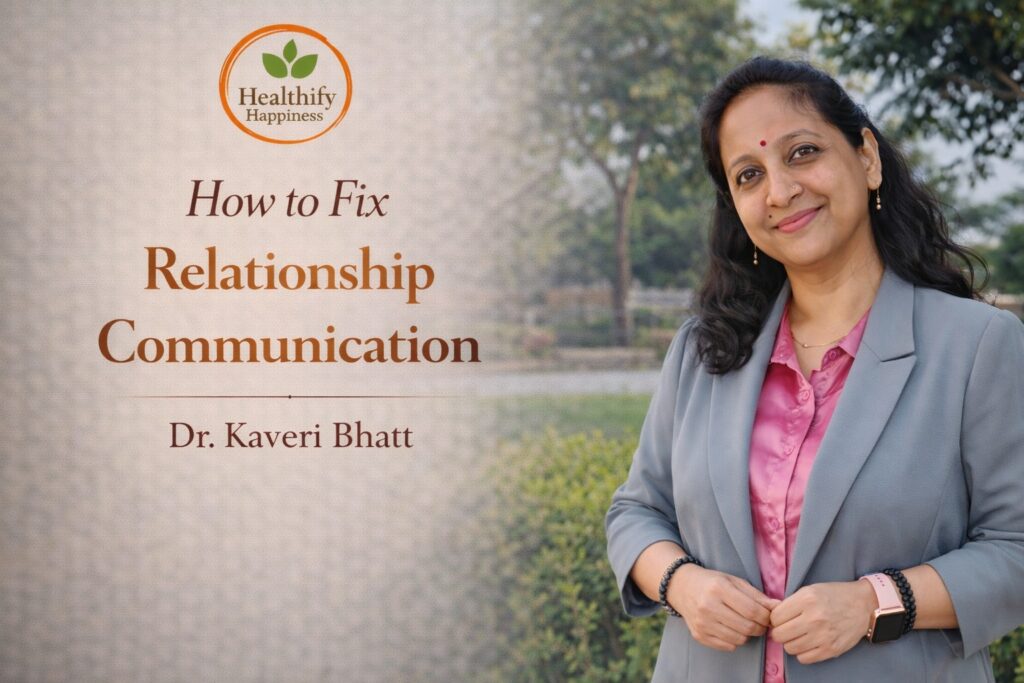
Many couples begin searching for answers about How to Fix Relationship Communication when simple conversations start feeling tense, confusing, or emotionally draining. What once felt natural slowly turns into awkward silence or repeated arguments.
At first, partners often believe the issue is about words. One person may feel they are explaining themselves clearly, yet the other still feels misunderstood. Over time this pattern creates emotional distance.
The truth is that communication problems rarely start with language alone. Most struggles begin when deeper emotions remain unspoken during everyday discussions.
When couples begin understanding what truly influences their conversations, they often discover that healthier communication is possible again.
In this Guide:
- 🔹 Understanding Why Relationship Communication Breaks Down
- 🔹 Signs Your Relationship Communication Needs Healing
- 🔹 How to Fix Relationship Communication Through Emotional Awareness
- 🔹 Healthy Communication Habits That Strengthen Relationships
- 🔹 Success Story
- 🔹 How Dr Kaveri Bhatt Helps Couples Restore Emotional Clarity
Understanding Why Relationship Communication Breaks Down
The Emotional Patterns Hidden Inside Arguments
Many relationship conflicts appear to revolve around simple topics such as responsibilities, schedules, or daily habits. However, the emotional roots of these arguments usually run deeper than the surface issue.
Often one partner may feel unappreciated while the other feels constantly criticized. Even when neither intention exists, the emotional interpretation shapes the conversation.
Past experiences also influence how individuals respond during discussions. Someone who previously felt ignored may react strongly when they sense the same feeling again.
At the same time, another partner may withdraw when emotions become intense. This withdrawal does not necessarily reflect indifference. Instead it often represents emotional overload.
Recognizing these emotional patterns becomes the first meaningful step toward repairing communication within a relationship.
Why Partners Feel Unheard Even When They Talk Often
Many couples talk regularly yet still feel unheard after their conversations. This happens because communication involves emotional listening, not just exchanging words.
A partner might share frustration about a situation. However the other person may quickly jump into solving the problem instead of acknowledging the emotion.
Although the intention may be helpful, the emotional message remains unrecognized. The partner who shared the concern may still feel misunderstood.
Listening with attention to emotional tone changes the entire conversation. When partners slow down and acknowledge feelings first, the discussion becomes less defensive.
Over time this emotional awareness helps couples rebuild trust and understanding in their conversations.
Signs Your Relationship Communication Needs Healing
Repeating The Same Arguments Again And Again
One common signal of communication difficulty appears when couples repeat the same argument in different situations. The topic may change, yet the emotional reaction feels identical.
This pattern often occurs when the real emotional need behind the conflict remains unspoken. For example a discussion about responsibilities might actually reflect a deeper need for appreciation.
When the emotional layer stays hidden, the argument continues resurfacing again and again.
Learning How to Fix Relationship Communication begins with recognizing these repeating patterns. Once couples identify the emotional concern beneath the conflict, conversations become more productive.
Emotional Withdrawal And Silent Distance
Communication struggles do not always appear as arguments. Sometimes the opposite pattern develops where one partner becomes quiet or emotionally distant.
This silence may feel confusing or painful for the other partner. They may assume that the withdrawal means lack of interest in the relationship.
However emotional withdrawal often reflects overwhelm rather than rejection. When conversations become intense, some people instinctively step back to protect themselves from further stress.
Recognizing this response allows couples to approach difficult discussions with greater patience and understanding.
Feeling Misunderstood After Every Conversation
Some couples spend hours discussing their concerns yet still leave the conversation feeling misunderstood.
This happens when partners focus primarily on defending their perspective instead of expressing the emotions behind their thoughts.
For example frustration may hide deeper feelings such as sadness, fear, or disappointment. When those emotions remain unspoken, the conversation never reaches the real issue.
Once partners begin expressing emotional needs clearly, conversations shift from conflict toward understanding.
How to Fix Relationship Communication Through Emotional Awareness
Learning To Listen Beyond Words
Healthy communication requires more than simply hearing what the other person says. It involves recognizing the emotional message behind the words.
A partner might complain about a small inconvenience, yet the deeper feeling could involve feeling ignored or undervalued.
When someone listens carefully to the emotional tone of the conversation, they begin understanding what truly matters to their partner.
This type of listening requires patience and curiosity. Instead of reacting immediately, partners pause and allow the other person to finish expressing their feelings.
With time this habit creates deeper emotional connection during conversations.
Recognizing Emotional Triggers During Conversations
Emotional triggers often shape reactions during arguments. A simple comment may suddenly create a strong emotional response.
These reactions usually connect to past experiences where similar emotions were present.
For example someone who once felt criticized repeatedly may react strongly to feedback even when it is offered gently.
Recognizing these triggers allows partners to pause before reacting defensively. Instead of escalating the conversation, they can reflect on what emotion has been activated.
This awareness plays an important role in understanding How to Fix Relationship Communication and preventing repeated conflict cycles.
Creating Emotional Safety Before Solving Problems
Many couples attempt to solve the practical issue immediately when conflict appears. However solutions rarely work when emotions remain unsettled.
Emotional safety must come first.
When partners feel safe sharing their feelings without criticism or interruption, conversations become calmer and more productive.
Acknowledging the other person’s feelings can significantly shift the discussion. Simple validation creates emotional openness.
Once both partners feel heard, problem solving becomes easier and more cooperative.
Healthy Communication Habits That Strengthen Relationships
Slowing Down Conversations During Conflict
Arguments often escalate because conversations move too quickly. People react before fully understanding what their partner is trying to express.
Slowing down the conversation helps both individuals process the discussion more thoughtfully.
Taking a short pause or simply breathing before responding can reduce emotional intensity.
When partners slow the pace of discussion, the conversation becomes more respectful and focused on understanding rather than reacting.
Using Curiosity Instead Of Assumptions
Assumptions frequently create misunderstanding in relationships. When partners assume intentions behind each other’s words, the conversation quickly becomes defensive.
Curiosity offers a healthier alternative.
Instead of assuming meaning, partners ask gentle questions to understand what the other person truly meant.
For example asking for clarification rather than reacting immediately can prevent unnecessary conflict.
This habit strengthens communication because both individuals feel respected and heard.
Expressing Feelings Without Blame
Blame based language often triggers defensiveness in conversations. Statements that begin with accusations usually cause the other person to protect themselves.
Expressing emotions without blame creates a different atmosphere.
Instead of saying a partner never listens, someone might explain that they feel unheard during certain conversations.
This approach communicates emotion without attacking the other person. As a result the partner becomes more open to understanding the concern.
Practicing this style of communication becomes one of the most effective steps in learning How to Fix Relationship Communication.
Success Story
Riya and Arjun had been married for eight years. Over time their conversations had become short and tense. Small disagreements about daily routines often turned into emotional arguments.
Both partners believed the other person was unwilling to listen.
During a relationship reflection exercise they noticed a pattern. Arjun often felt criticized when discussions began about responsibilities. Because of this he withdrew emotionally.
Riya interpreted that silence as lack of care. In response she raised her voice to express frustration.
Once they recognized this pattern, their communication slowly changed.
Instead of reacting immediately, they began sharing the feelings behind their reactions. Arjun explained that he feared disappointing Riya. Riya shared that she only wanted acknowledgment and appreciation.
With this new understanding their conversations gradually became calmer.
Over several months they practiced listening fully before responding and expressing their emotions without blame.
Their relationship regained warmth as they developed healthier communication habits.
How Dr Kaveri Bhatt Helps Couples Restore Emotional Clarity
Many couples struggle to change long standing communication patterns without guidance. At Healthify Happiness, Dr. Kaveri Bhatt works with individuals and couples through a trauma informed emotional healing approach.
Her work integrates techno spiritual healing techniques that explore the subconscious emotional patterns influencing relationship behavior.
Through guided sessions individuals learn how stored emotional experiences shape their communication responses.
Subconscious release methods help partners understand why certain triggers repeatedly appear in their conversations.
In addition to emotional healing, practical relationship tools are introduced so couples can communicate with clarity in everyday situations.
Those seeking deeper relationship guidance often benefit from working with an online marriage coach for communication clarity who can help them rebuild trust and understanding step by step.
Some individuals also explore broader emotional healing resources through structured mental health support programs that address underlying emotional patterns affecting relationships.
This balanced approach combines emotional awareness with practical communication strategies that couples can integrate into their daily lives.
Real Experiences From Readers
User Review
Neha Sharma, Delhi
I used to believe communication meant explaining my thoughts clearly. After learning emotional listening skills, I realized how often I reacted instead of understanding. Our conversations feel calmer now. We still disagree sometimes, but we handle those moments with much more patience and respect.
User Review
Rahul Mehta, Mumbai
Communication used to be the biggest stress in my relationship. I would avoid difficult discussions because they always became arguments. Learning about emotional triggers helped me pause before reacting. That single change improved the way my partner and I talk with each other.
User Review
Priya Kapoor, Chandigarh
The biggest shift for me was understanding that communication problems are rarely about words alone. Emotional safety changed the way we talk. Now both of us feel comfortable sharing feelings without fear of criticism.
Relationship Forum Questions
Forum Q&A
Question
Why do couples repeat the same arguments even after discussing the issue many times?
Answer
Repeated arguments usually occur when the deeper emotional concern remains unresolved. Couples often debate the situation itself instead of expressing the feeling beneath it. When partners begin discussing the underlying emotion, the conflict cycle gradually becomes easier to resolve.
Forum Q&A
Question
Is emotional distance common when communication problems appear in a relationship?
Answer
Yes. Emotional distance often appears when conversations become overwhelming or unresolved. Many individuals withdraw as a protective response rather than a sign of disinterest. When couples create a calmer and emotionally safe environment for discussions, that distance often begins to soften.
Frequently Asked Questions
How long does it usually take to improve relationship communication?
Improving communication takes time because emotional patterns develop gradually over years. However many couples notice early improvement once they begin listening with emotional awareness and expressing their feelings clearly.
Can loving couples still experience communication problems?
Yes, communication challenges can appear in any relationship. Love alone does not automatically create effective communication habits. Emotional awareness and active listening help maintain clarity between partners.
What is the most common communication mistake couples make?
Many couples react quickly instead of understanding the emotional message behind their partner’s words. Slowing down conversations often prevents unnecessary misunderstandings.
Why do small disagreements sometimes turn into large arguments?
Small disagreements often connect to deeper emotions such as feeling ignored, unappreciated, or misunderstood. When those feelings remain hidden, the conversation may escalate unexpectedly.
Can professional guidance help improve relationship communication?
Yes. Professional guidance helps individuals recognize emotional patterns affecting their communication style. With the right support couples often learn healthier ways to express feelings and listen to each other.
Conclusion
Learning How to Fix Relationship Communication does not require perfect words. Instead it begins with emotional awareness and the willingness to understand each other more deeply.
When partners listen with curiosity and express their feelings without blame, conversations gradually become calmer and more meaningful.
Small communication changes can rebuild emotional safety, trust, and connection within a relationship.
Although communication challenges can feel overwhelming, they often become powerful opportunities for growth when approached with patience and compassion.
Start improving your relationship communication today with compassionate guidance