Arguments rarely begin with the issue we see on the surface. A delayed message, a misunderstood tone, or a simple disagreement can suddenly create tension between two people who genuinely care about each other.
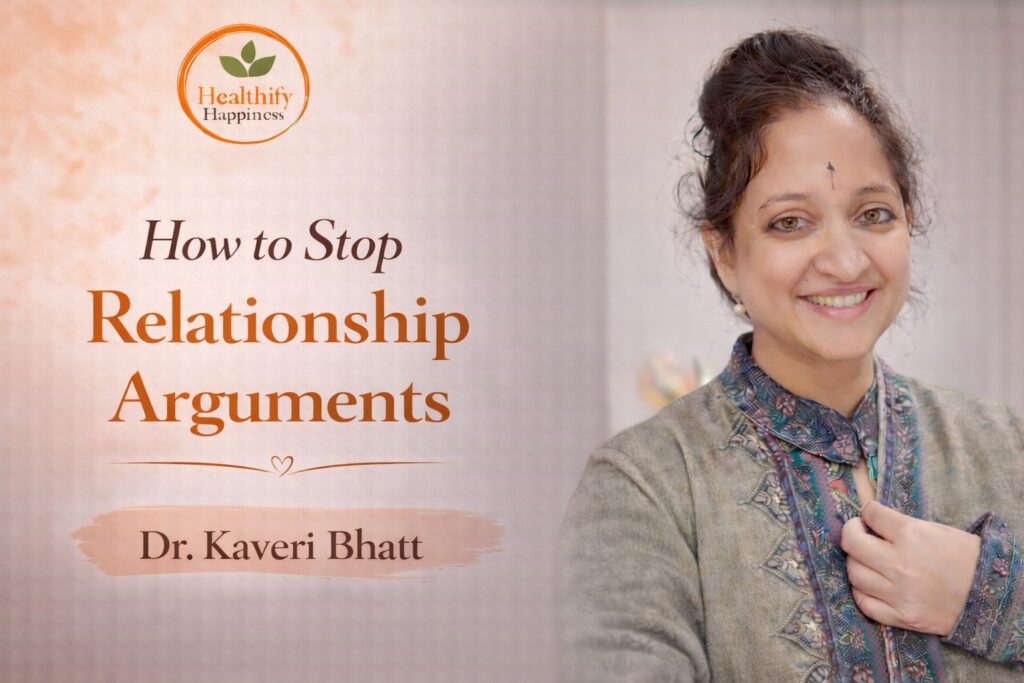
Many couples search for answers about How to Stop Relationship Arguments, yet they often focus only on the visible conflict. The deeper emotional layers behind those reactions often remain unnoticed.
When arguments repeat, frustration slowly builds. One partner feels unheard, while the other feels constantly blamed. Over time, even small disagreements begin to carry emotional weight.
However, relationship conflicts rarely mean that love is missing. More often, they signal that emotions, expectations, or past experiences are influencing the conversation in ways neither partner fully understands.
In this Guide:
- 🔹 Why Relationship Arguments Repeat
- 🔹 Understanding the Real Cause of Relationship Arguments
- 🔹 Communication Patterns That Create Conflict
- 🔹 How to Stop Relationship Arguments with Emotional Awareness
- 🔹 Practical Communication Tools for Couples
- 🔹 Success Story
- 🔹 How Dr Kaveri Bhatt Helps
- 🔹 User Experiences
- 🔹 Forum Discussion
- 🔹 FAQs
Why Relationship Arguments Repeat
Relationship arguments often repeat because emotional reactions follow familiar patterns. When a specific trigger appears, the mind automatically responds in a similar way each time.
For example, one partner may feel ignored when messages go unanswered. Meanwhile, the other partner may simply feel overwhelmed or distracted. Even though the intention is harmless, the emotional reaction still activates old feelings.
Over time, couples unknowingly develop predictable argument cycles. One person reacts strongly, the other becomes defensive, and the conversation quickly escalates.
Understanding How to Stop Relationship Arguments begins with recognizing that most conflicts are not about the current moment alone. They are often connected to emotional memories, expectations, and unresolved feelings.
Once these patterns become visible, couples can slowly interrupt the cycle and respond with greater awareness.
The Hidden Emotional Triggers Behind Conflict
Many disagreements are driven by emotional triggers that exist beneath the surface. These triggers may include feelings of rejection, insecurity, or the fear of not being valued.
When these emotions appear, the mind often reacts quickly. Instead of calmly expressing the feeling, people may respond with frustration or criticism.
As a result, the partner on the receiving end hears the reaction rather than the underlying emotion. This misunderstanding quickly creates tension between both individuals.
Recognizing emotional triggers allows couples to pause and ask what feeling is truly present. When that awareness grows, reactions begin to soften.
Why Small Issues Turn into Big Arguments
Many couples feel surprised when a small issue suddenly becomes a major argument. In reality, these moments usually involve deeper emotional pressure that has been building quietly.
For instance, a simple comment about household responsibilities may carry unspoken frustration from earlier disagreements. When the topic appears again, the stored emotion resurfaces.
Because those feelings were never fully expressed, the conversation escalates quickly. Each partner feels misunderstood, and both begin defending themselves.
Learning How to Stop Relationship Arguments requires noticing when emotional pressure already exists. Addressing feelings earlier often prevents conflicts from growing larger.
Understanding the Real Cause of Relationship Arguments
Many people assume arguments happen because partners disagree about specific topics. However, disagreements alone rarely damage relationships.
Conflict usually grows when emotional needs remain unspoken. A partner may actually be seeking reassurance, appreciation, or emotional connection.
Instead of expressing that deeper need, the conversation often focuses on criticism or blame. As a result, the real message never reaches the other person.
Understanding How to Stop Relationship Arguments involves learning to look beyond the surface disagreement. When couples explore the emotion behind their reaction, communication becomes clearer.
Gradually, arguments begin to transform into meaningful conversations about feelings and expectations.
Emotional Reactions vs Real Needs
Strong reactions often hide deeper emotional needs. Anger, frustration, or defensiveness may simply be signals that someone feels hurt or overlooked.
When those reactions appear, the conversation can easily shift toward blaming the partner. However, the real need remains unspoken.
For example, someone might say, “You never listen to me.” Beneath that statement, the true feeling may be a desire to feel heard and understood.
When couples learn to identify the emotional need behind their reaction, communication becomes far more constructive.
How Past Experiences Influence Present Reactions
Our emotional responses rarely begin in the present moment. Many reactions are shaped by earlier life experiences that influenced how we learned to interpret conflict.
Someone who grew up feeling ignored may react strongly when they perceive emotional distance. Another person may withdraw during arguments because past conflicts felt overwhelming.
These patterns operate quietly in the background of relationships. Without awareness, partners may misinterpret each other’s reactions.
Recognizing these emotional histories allows couples to respond with empathy rather than frustration.
Communication Patterns That Create Conflict
Even loving couples can fall into communication patterns that unintentionally create tension. These habits often develop gradually and feel normal over time.
For instance, one partner may interrupt frequently while explaining their perspective. The other partner may respond by shutting down emotionally.
Although neither partner intends to hurt the other, the conversation becomes stressful. Misunderstandings multiply, and frustration grows.
Learning How to Stop Relationship Arguments requires noticing these patterns without assigning blame. Once couples see the cycle clearly, they can begin replacing it with healthier communication habits.
Defensive Listening and Misinterpretation
During emotional conversations, many people listen defensively. Instead of hearing the full message, they search for criticism or judgment.
As a result, neutral statements can easily feel like personal attacks. This interpretation triggers an immediate emotional reaction.
Defensive listening also prevents genuine understanding. Each partner focuses on protecting themselves rather than hearing the other person.
When couples practice curious listening, the conversation becomes calmer and more constructive.
The Cycle of Blame and Withdrawal
A common argument pattern involves one partner expressing blame while the other withdraws emotionally.
When criticism appears, the receiving partner may shut down to avoid further conflict. Unfortunately, this silence often increases frustration for the other person.
Over time, the relationship becomes trapped in a blame withdrawal cycle. One partner pursues conversation while the other avoids it.
Breaking this pattern requires emotional safety on both sides. Gentle communication and patient listening slowly rebuild that safety.
How to Stop Relationship Arguments with Emotional Awareness
Emotional awareness plays a powerful role in reducing conflict. When individuals recognize their feelings early, they can respond more thoughtfully.
Instead of reacting immediately, they pause and reflect on what emotion is present. This small moment of awareness often changes the direction of the conversation.
Learning How to Stop Relationship Arguments begins with observing emotions without judgment. This practice allows individuals to respond with clarity rather than impulse.
Over time, this awareness creates calmer conversations and stronger emotional understanding between partners.
Recognizing Your Emotional Triggers
Each person carries emotional triggers that activate strong reactions. These triggers may involve feeling disrespected, ignored, or misunderstood.
When individuals identify these triggers, they gain the ability to pause before reacting.
Instead of immediately expressing anger, they can communicate the underlying feeling more clearly.
This shift helps partners understand each other rather than escalating the disagreement.
Learning to Pause Before Reacting
A simple pause can dramatically change the direction of a conversation. When emotions rise, taking a brief moment to breathe can prevent impulsive reactions.
This pause allows the mind to settle and the body to relax. As a result, responses become more thoughtful.
Even a few seconds of reflection can interrupt the automatic argument cycle.
With practice, this habit becomes a natural part of communication.
Practical Communication Tools for Couples
Healthy communication requires intentional effort from both partners. Small changes in language and listening habits can significantly reduce conflict.
For example, expressing feelings with calm statements often prevents defensive reactions. Instead of blaming language, partners can describe their emotional experience.
Learning How to Stop Relationship Arguments involves practicing communication tools consistently. Over time, these habits create a more respectful conversation environment.
Couples who apply these tools often notice that disagreements feel less threatening and more constructive.
Expressing Feelings Without Blame
Blame often triggers defensiveness in conversations. When someone feels accused, they instinctively protect themselves.
Instead, expressing feelings using personal statements helps maintain emotional safety. Saying “I felt hurt when this happened” communicates emotion without attacking the partner.
This approach invites understanding rather than resistance.
Over time, it builds a supportive atmosphere where both partners feel safe expressing their feelings.
Listening with Emotional Presence
Listening is often more powerful than speaking during difficult conversations. When someone feels genuinely heard, emotional tension decreases naturally.
Emotional presence means listening without planning a response or preparing a defense.
Instead, the listener focuses on understanding the partner’s feelings and perspective.
This type of listening strengthens trust and reduces the need for repeated arguments.
Success Story: A Couple Who Broke Their Argument Pattern
Meera and Arjun had been together for six years when their relationship reached a difficult stage. They cared deeply about each other, yet almost every discussion seemed to turn into an argument.
Many of their conflicts began with everyday topics like schedules or responsibilities. However, those conversations quickly escalated into frustration and emotional distance.
During a counseling session, they realized something important. Their arguments were rarely about the actual topic.
Meera often reacted strongly when she felt ignored, while Arjun became quiet whenever conversations grew intense. This pattern made both partners feel misunderstood.
When they began exploring How to Stop Relationship Arguments, they focused on emotional awareness rather than winning the conversation.
Meera practiced expressing her feelings calmly instead of raising her voice. Meanwhile, Arjun worked on staying present in conversations rather than withdrawing.
Gradually, their communication began to change. Arguments still occurred occasionally, yet they no longer escalated into emotional battles.
Over time, both partners felt safer expressing their feelings honestly. Their relationship became calmer, more supportive, and emotionally connected.
How Dr Kaveri Bhatt Helps Couples Heal Relationship Conflicts
Many relationship conflicts have emotional roots that remain hidden beneath daily conversations. Addressing these deeper layers often requires a compassionate and structured healing approach.
Dr. Kaveri Bhatt supports individuals and couples through a techno spiritual healing framework that combines emotional awareness with subconscious healing methods.
Her approach recognizes that many reactions originate from unresolved emotional patterns stored in the subconscious mind.
Through guided reflection, emotional release practices, and trauma informed principles, individuals gradually learn to recognize the feelings driving their reactions.
These methods help partners communicate more calmly and understand each other’s emotional experiences. Many individuals first connect with deeper emotional clarity through a powerful emotional growth journey described in this transformation experience here.
Over time, couples gain practical tools for emotional regulation, compassionate communication, and deeper connection. When trust needs rebuilding, relationship guidance also explores methods similar to those explained in this guide on rebuilding trust in marriage.
By addressing subconscious emotional patterns, the healing process supports long term relationship stability and personal emotional growth.
Real Experiences from People Who Improved Their Relationships
User Review 1
Neha Kulkarni, Pune
Our relationship often felt tense because small disagreements quickly became arguments. Learning about emotional triggers helped me understand my reactions better. I now pause before responding, and our conversations feel calmer. This awareness improved our relationship more than I expected.
User Review 2
Raghav Mehta, Chandigarh
I used to withdraw during arguments because conflict made me uncomfortable. Understanding communication patterns helped me stay present instead of avoiding conversations. Now my partner and I discuss issues calmly. Our connection feels much stronger.
User Review 3
Ananya Iyer, Bengaluru
Earlier, I believed arguments meant our relationship was failing. Learning about emotional awareness changed my perspective completely. Now we focus on understanding each other instead of proving who is right. Our relationship feels healthier and more supportive.
Forum Conversation
Forum Question 1 and Answer
Question: Why do couples argue even when they truly love each other?
Love alone does not remove emotional triggers or communication habits. When partners feel hurt, insecure, or misunderstood, those emotions naturally appear during conversations.
Arguments often happen because those feelings are expressed through frustration instead of calm communication.
When couples recognize the emotion behind their reactions, discussions become more constructive and supportive.
Forum Question 2 and Answer
Question: How can someone stay calm during a heated argument?
Remaining calm during conflict requires emotional awareness and practice. A brief pause can help regulate emotions before responding.
Slow breathing, mindful listening, and acknowledging the partner’s feelings also reduce tension.
These small steps prevent conversations from escalating and allow both partners to communicate more clearly.
Frequently Asked Questions
Why do the same arguments repeat in relationships?
Repeated arguments often occur because emotional triggers remain unresolved. When deeper feelings such as insecurity or fear are not addressed, similar situations can activate the same reaction repeatedly.
Can communication skills really reduce relationship arguments?
Yes, communication skills help partners express emotions clearly and listen without defensiveness. These habits reduce misunderstanding and create a safer space for discussing sensitive topics.
Is it normal for couples to argue sometimes?
Yes, occasional disagreements are a natural part of relationships. Healthy couples focus on resolving conflicts respectfully rather than avoiding them completely.
What is the most important step in reducing relationship conflicts?
Emotional awareness is often the first step. When individuals understand their triggers and feelings, they can communicate those emotions calmly instead of reacting impulsively.
Can emotional healing improve relationship communication?
Yes, emotional healing helps individuals release past emotional patterns that influence current reactions. As emotional clarity grows, communication becomes more compassionate and balanced.
Conclusion
Arguments can feel overwhelming when they repeat again and again. Many couples begin to believe something is wrong with their relationship when conflicts seem constant.
In reality, repeated disagreements often reflect emotional triggers, communication patterns, and unspoken needs rather than a lack of love.
Understanding How to Stop Relationship Arguments involves developing emotional awareness, practicing calm communication, and listening with genuine presence.
When couples shift their focus from winning arguments to understanding emotions, conversations begin to transform.
Gradually, discussions become safer, more respectful, and more supportive.
With patience and awareness, relationships can move beyond repeated conflicts and grow into deeper emotional connection and mutual understanding.
Ready to Heal Your Relationship Communication?