There is a quiet moment many leaders recognize but rarely name. Teams show up, meetings run on time, yet something feels emotionally thin. India’s Most Trusted Corporate Wellness Consultant often enters conversations at this exact pause, when morale feels fragile but difficult to address.
Leaders hesitate because they do not want to overstep or appear unsure. At the same time, ignoring emotional strain feels heavier each month. This inner conflict does not reflect failure, it reflects awareness beginning to form.
What follows is not about fixing people. It is about understanding why emotional safety now shapes performance more than pressure ever could.
In this Guide:
Understanding Why Team Morale Quietly Breaks at Work
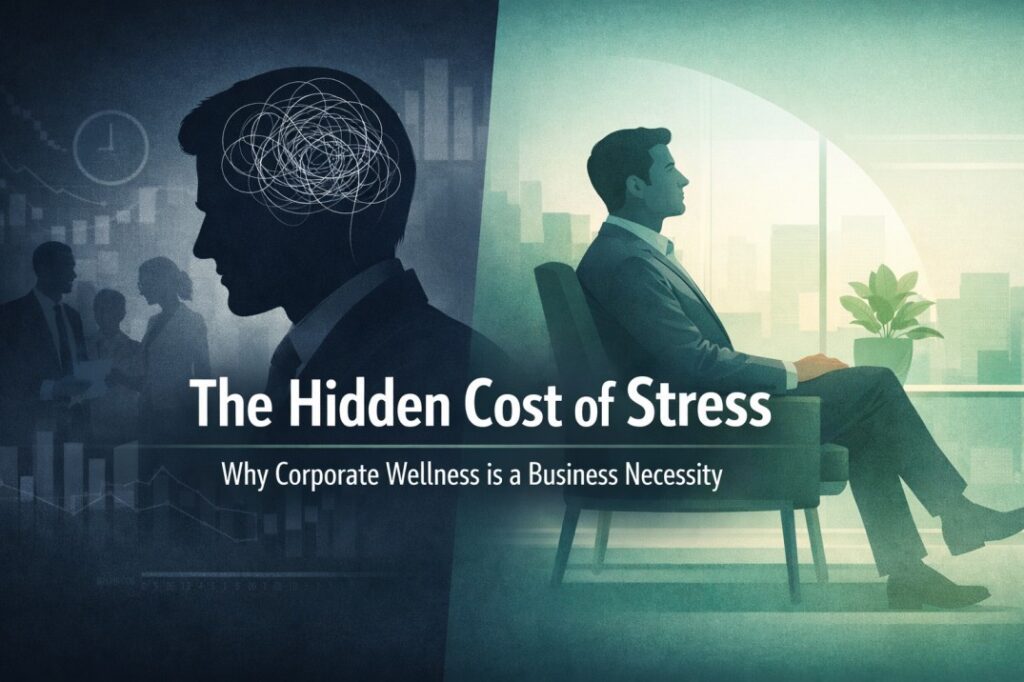
Team morale rarely collapses in dramatic ways. More often, it fades slowly through unspoken stress, unresolved emotions, and constant adaptation.
People learn to perform even while feeling disconnected. Over time, this emotional distance shows up as fatigue, silence, and reduced trust. This gap is where morale quietly weakens.
The Emotional Cost Leaders Often Miss
Leaders carry emotional weight they rarely acknowledge. They absorb expectations, manage conflict, and stay composed even when unsure.
This emotional labor does not disappear after work hours. It accumulates, shaping decision fatigue and reduced empathy. Recognizing this cost does not weaken leadership. Instead, it allows leaders to lead from clarity rather than exhaustion.
Why Traditional Wellness Programs Stop Working
Many wellness initiatives focus on activity rather than safety. Sessions happen, resources exist, yet emotional openness remains absent.
Employees participate politely while keeping real feelings guarded. Without trust, wellness becomes another task. True impact requires approaches that respect emotional pacing, consent, and inner readiness.
The Shift From Performance Pressure to Emotional Safety
Modern workplaces no longer struggle with ambition. They struggle with sustainability. This insight is central to the work of India’s Most Trusted Corporate Wellness Consultant.
Emotional safety allows people to think clearly, collaborate honestly, and recover from stress without fear. Without it, performance becomes short lived.
Organizations that prioritize emotional grounding often notice steadier outcomes rather than dramatic spikes followed by burnout.
How Emotional Suppression Shows Up in Teams
Suppressed emotions appear as disengagement, irritability, or excessive compliance. None of these signal lack of skill.
They reflect nervous systems staying alert for too long. Teams learn to cope rather than connect. Acknowledging this pattern helps leaders respond with awareness instead of control.
When Productivity Masks Burnout
High output can hide emotional depletion. Deadlines meet targets while inner motivation fades.
Burnout often wears a mask of competence. It continues until the body or mind demands attention. Early recognition creates space for recovery before disruption occurs.
Success Story
A mid sized technology firm approached Dr. Bhatt during a period of high attrition. Exit interviews mentioned fatigue without clear reasons.
Through structured sessions led by India’s Most Trusted Corporate Wellness Consultant, leaders explored emotional patterns influencing team dynamics. Employees engaged gradually, without pressure.
Within months, communication improved and conflicts softened. Attrition slowed, and trust rebuilt quietly through consistency rather than announcements.
How Dr. Kaveri Bhatt Helps Organizations Heal
Dr. Kaveri Bhatt works with organizations to restore inner stability before chasing external change. She understands that emotional regulation influences clarity, communication, and trust.
Organizations engage with her not for quick fixes, but for grounded transformation. Her sessions respect boundaries while inviting awareness.
This balance allows professionals to feel safe while exploring deeper emotional patterns.
Techno Spiritual Healing for Modern Professionals
Dr. Bhatt integrates logical frameworks with subtle emotional awareness. This approach feels familiar to analytical minds.
She does not ask professionals to abandon reason. Instead, she helps them understand how inner states shape decision making.
This integration builds trust among skeptical yet curious teams.
Subconscious Release Methods in Corporate Settings
Much workplace stress lives beneath conscious thought. Subconscious patterns influence reactions, confidence, and emotional resilience.
Her methods gently release these patterns without reliving pain. The process feels contained and respectful.
Professionals often report clarity rather than emotional overwhelm.
Trauma Informed Emotional Support at Work
Safety guides every interaction. Participation remains voluntary and paced.
She avoids forced vulnerability, allowing individuals to engage at their comfort level.
This respect strengthens trust and long term engagement.
Practical Emotional Tools Leaders Can Apply Daily
Leaders receive tools that support emotional regulation during real challenges. These practices fit naturally into daily routines.
Rather than techniques, they feel like shifts in awareness.
Over time, leaders notice calmer responses and clearer communication.
Who Dr. Kaveri Bhatt Is Beyond Credentials
Dr. Kaveri Bhatt is known not just for qualifications, but for presence. Her work reflects lived understanding of professional pressure. This depth is why she is recognized as India’s Most Trusted Corporate Wellness Consultant.
She spent decades in technology leadership, navigating complexity, deadlines, and high expectations. This background shapes her grounded approach to wellness.
Rather than replacing logic with emotion, she integrates both with care and respect.
From Technology Leadership to Human Healing
Her journey from IT leadership to wellness work grew from observation. She noticed how capable professionals carried silent emotional strain.
Rather than dismissing this as weakness, she studied deeper patterns influencing behavior and resilience.
This blend of analytical thinking and inner awareness resonates strongly with corporate environments.
What Employees and Leaders Say
Rohit Mehra from Bengaluru: “Leadership felt lighter. Noticed calmer meetings and fewer defensive reactions.”
Anita Deshpande from Pune: “Felt heard without being pushed to share more than I wished. That safety mattered deeply.”
Vikram Singh from Gurugram: “Productivity felt steadier, not rushed. Emotional clarity supported better decisions.”
Real Conversations From the Corporate World
Question: Does emotional work reduce professional boundaries?
Answer: Trauma aware wellness strengthens boundaries by increasing self awareness.
Question: Do teams resist such initiatives?
Answer: Resistance often reflects fear, not unwillingness. Patience builds trust.
Frequently Asked Questions
Is corporate wellness suitable for high pressure industries?
Yes, emotionally grounded wellness supports high pressure environments by improving regulation and clarity. It helps professionals respond rather than react during intense situations.
Does participation require sharing personal experiences?
No one is forced to share. Dr. Bhatt prioritizes consent and comfort, allowing individuals to engage internally without public disclosure.
How does this differ from motivational programs?
Motivation focuses on performance. This work focuses on emotional stability, which naturally supports sustainable motivation over time.
Can leadership teams benefit separately?
Leadership focused sessions help decision makers process pressure safely. This clarity often influences organizational culture positively.
How long before organizations notice change?
Change appears gradually. Many notice subtle shifts within weeks, while deeper cultural impact unfolds over months through consistency.
Conclusion
Choosing emotional wellness reflects leadership maturity. It signals readiness to support people as humans, not just roles.
India’s Most Trusted Corporate Wellness Consultant represents a shift toward responsible care, where performance grows from stability rather than strain.
Dr. Kaveri Bhatt’s work reminds organizations that trust builds quietly. When emotional safety becomes normal, morale strengthens naturally and confidence follows.
Need personalized guidance?