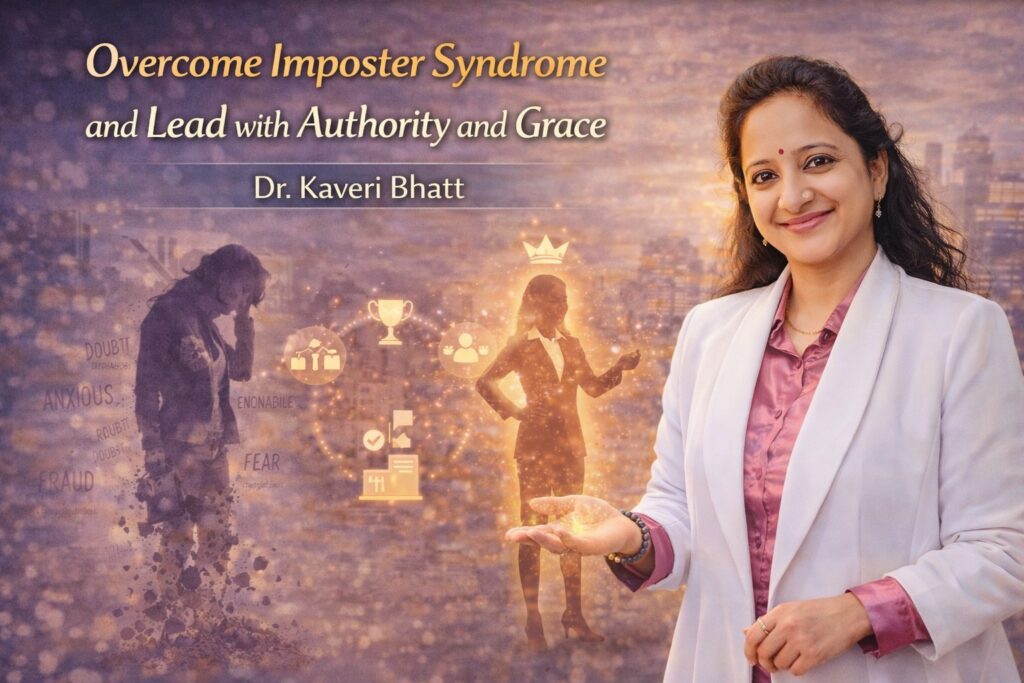
To Overcome Imposter Syndrome, you often try to work harder, speak smarter, or prepare longer. Yet the uneasy feeling still returns. It whispers that you are behind, lucky, or temporarily accepted.
You might hold a respected role. You might lead with integrity. However, inside, you feel slightly exposed. Compliments feel uncomfortable, and visibility feels risky. This tension does not mean you lack ability. Instead, it reflects a protective pattern shaped by earlier emotional experiences.
In this Guide:
The Quiet Weight of Imposter Feelings
Imposter feelings rarely appear dramatic. They show up in subtle habits. You over prepare for meetings or replay every sentence in your mind. Although others see competence, you focus on perceived flaws. When praise arrives, you deflect it.
Gradually, your nervous system stays alert. Even calm moments feel slightly tense. When you begin to Overcome Imposter Syndrome consciously, you first notice these patterns without judging them. Awareness softens resistance. From that space, change becomes possible.
Where Imposter Patterns Begin
Most imposter patterns do not start in adulthood. They often begin in environments where approval followed performance. As a child, you may have learned that achievement brought attention or safety. Over time, your mind linked worth with output.
Later, even in supportive workplaces, your body reacts as if evaluation equals survival. Dr. Kaveri Bhatt helps clients see that these responses once served a purpose. However, what protected you earlier may limit you now.
Why High Achievers Feel Like Fraud
High achievers often carry deep responsibility. They set high standards for themselves. Yet inside, they fear being exposed as inadequate. Visibility increases this fear. Promotions bring recognition, but they also bring scrutiny.
Success does not automatically update self belief. When clients work to Overcome Imposter Syndrome, they learn that competence and insecurity can coexist temporarily. The goal is to recalibrate the nervous system so confidence feels embodied.
The Emotional Cost of Living in Self Doubt
Chronic self doubt drains mental energy. Decision making becomes exhausting. You avoid bold ideas even when you believe in them. Choosing to Overcome Imposter Syndrome protects more than your career. It restores your sense of ease. It allows you to lead without carrying invisible weight.
How Dr. Kaveri Bhatt Helps You Overcome Imposter Syndrome
Dr. Kaveri Bhatt integrates techno spiritual healing with trauma informed emotional work. Her background in engineering and advanced healing modalities gives her approach both structure and depth.
She begins by creating emotional safety. Clients explore subconscious beliefs gently, without pressure to perform. Next, she works with subconscious release methods. These techniques help the nervous system process stored emotional tension. As the body feels safer, the mind softens its defensive patterns.
Practical Nervous System Regulation
She also teaches practical nervous system regulation tools. Simple breathing practices and grounding techniques become daily anchors. Through this process, clients do not become louder versions of themselves. They become steadier.
Success Story: From Anxiety to Authority
Rohan, a senior manager from Hyderabad, sought guidance after years of silent anxiety. Although he led large projects successfully, he feared being questioned in public forums. He needed to Overcome Imposter Syndrome to lead effectively.
In his sessions with Dr. Bhatt, he explored childhood memories of constant comparison. Through subconscious release work, his body began responding differently to scrutiny. Six months later, Rohan noticed a subtle but profound change. He listened calmly and responded thoughtfully. His authority felt natural, not forced.
Real Experiences from Clients
Priya from Mumbai: “Once believed success was luck. Now feels steady and genuinely confident before presentations.”
Karan from Delhi: “Overcame years of overthinking. Learned to regulate stress response and now trusts his preparation.”
Meera from Bengaluru: “Stopped comparing herself to peers. Measures growth against her own values and feels aligned.”
Conversations from Community Forums
Question: Do imposter feelings ever disappear?
Answer: The aim is integration. When the nervous system feels safe, doubt reduces naturally.
Question: Does healing reduce ambition?
Answer: No, healing strengthens ambition. It removes fear driven urgency and replaces it with grounded clarity.
Frequently Asked Questions
Can imposter syndrome affect experienced leaders?
Yes. Greater visibility often increases pressure. Success alone doesn’t erase conditioning without emotional recalibration.
Is it a mental health disorder?
No, it’s a pattern of self perception. However, persistent distress deserves compassionate support.
How long does healing take?
Timelines vary. Some notice shifts in months; deep integration is gradual. Consistency supports lasting change.
Does working on this reduce ambition?
No, it refines it. Clarity replaces urgency, enhancing sustainable leadership and decision making.
Can I do this alone?
Self reflection helps, but guided support often accelerates change by ensuring emotional safety and structure.
Conclusion
To Overcome Imposter Syndrome, you do not need to become someone else. You need to understand the protective patterns that shaped your self doubt. Dr. Kaveri Bhatt’s work reminds us that authority grows from regulation, not aggression.
When you feel emotionally steady, leadership becomes graceful. Success feels deserved. Most importantly, you trust your place in the room without needing to prove it repeatedly.
Need personalized guidance?