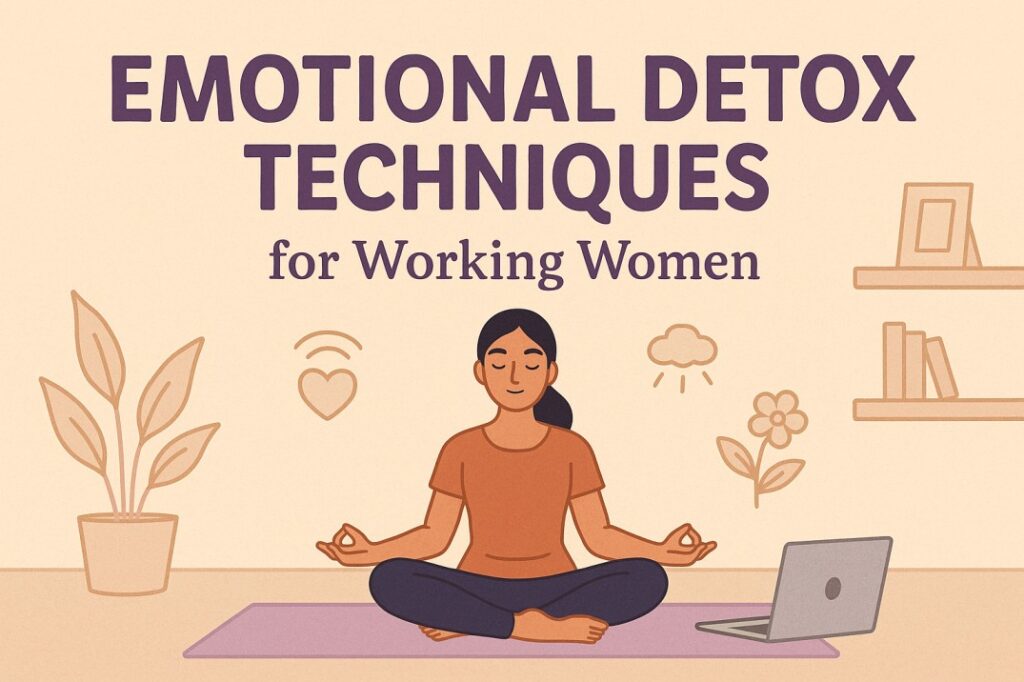

The Self-Worth Recovery Program often enters a woman’s awareness quietly. It does not arrive during crisis alone. It appears when emotional tiredness becomes familiar. Many women function well while feeling hollow inside. They manage responsibilities, yet something feels constantly off.
There is a subtle grief beneath daily routines. It surfaces as self doubt, emotional flatness, or the sense of losing yourself slowly. This experience rarely feels dramatic. Instead, it feels confusing, persistent, and difficult to explain to others.
In this Guide:
Understanding Emotional Exhaustion in Women
Emotional exhaustion in women rarely begins with one moment. It develops through years of adjustment, responsibility, and emotional compromise. Women often learn to stay available even when depleted. Over time, listening to inner needs feels secondary to managing expectations.
This exhaustion does not mean weakness. Instead, it reflects prolonged self disregard shaped by survival patterns. Once exhaustion becomes normalized, it hides in plain sight. Many women only notice it when joy feels distant.
Why Capable Women Feel Depleted Without Understanding Why
Capability often masks emotional strain. When things get done, distress remains unseen, even by the woman herself. Competence delays emotional check ins. Many women assume feeling drained means they should try harder. Over time, self worth becomes tied to usefulness.
The Quiet Loss of Identity Beneath Responsibility
Responsibility shapes identity slowly. Roles expand while personal desires receive less space. Many women stop asking what they need. Instead, they focus on what is required next. Eventually, the inner self feels distant. Emotional exhaustion grows from this prolonged self absence.
The Hidden Link Between Exhaustion and Self Worth
Emotional exhaustion and self worth often erode together. When energy runs low, self valuation follows. Women begin questioning their reactions, needs, and boundaries. They assume something is wrong with them. Over time, worth becomes conditional. A Self-Worth Recovery Program helps break this cycle.
How Self Worth Erodes Through Emotional Over Giving
Over giving often starts with care. It slowly becomes a habit rooted in fear of disappointing others. Many women learn to override discomfort. They stay agreeable even when emotionally drained. This pattern teaches the subconscious that needs are negotiable.
The Difference Between Resilience and Self Abandonment
Resilience supports recovery. Self abandonment ignores internal signals entirely. Many women confuse endurance with strength. They push through emotions instead of listening to them. True resilience includes self respect. It allows pause, reflection, and emotional boundaries.
What a Self-Worth Recovery Program Truly Addresses
A Self-Worth Recovery Program does not aim to fix a woman. It supports reconnection with inner value. The focus remains on emotional safety. Healing begins where pressure ends. This approach respects pacing. It honors hesitation and resistance as protective responses.
Moving Beyond Motivation and Surface Confidence
Motivation fades when emotional roots remain untouched. Surface confidence relies on performance. Many women try to think positively. However, unresolved emotional patterns persist underneath. True confidence grows through self acceptance. It stabilizes without effort.
How Dr. Kaveri Bhatt Helps with the Self-Worth Recovery Program
Dr. Kaveri Bhatt approaches emotional healing with depth and structure. Her work blends logic with inner awareness. She understands emotional exhaustion through lived patterns. Her guidance respects complexity and individuality.
The focus remains on subconscious alignment. Healing unfolds gently through awareness and integration. Her presence offers steadiness. Clients feel supported rather than directed.
A Techno Spiritual and Trauma Informed Foundation
Her background combines technical precision with emotional sensitivity. This balance creates grounded clarity. Trauma informed awareness guides every interaction. Emotional safety remains central. Spiritual tools integrate practically. They support regulation rather than escape.
Subconscious Release and Emotional Integration
Subconscious patterns shape self worth silently. Releasing them requires gentleness. Dr. Bhatt helps identify emotional imprints. These often originate from early conditioning. Integration focuses on nervous system stability. Emotional insight translates into lived change.
Practical Tools for Real World Emotional Balance
Healing must work within daily life. Tools remain simple and adaptable. Clients learn emotional regulation skills. These support boundaries and self awareness. Real world application matters. Progress feels steady and sustainable.
Success Story: Reclaiming Emotional Stability
Ritika, a working mother from Pune, arrived feeling constantly overwhelmed. She managed responsibilities yet felt emotionally disconnected. She enrolled in the Self-Worth Recovery Program to find balance.
Through gentle sessions, she recognized long standing self neglect. Awareness brought relief instead of guilt. Over time, her reactions softened. Emotional triggers reduced in intensity. She described feeling present again. Stability returned without dramatic changes.
What Women Say After Beginning Healing
Neha, Bengaluru: “Finally felt permission to rest without guilt. Self doubt reduced within weeks.”
Anjali, Delhi: “Improved emotional boundaries. Felt calmer during difficult conversations.”
Meera, Ahmedabad: “Felt emotionally grounded again. Confidence felt natural, not forced.”
Common Questions from Women Seeking Clarity
Question: Is emotional healing overwhelming?
Answer: Healing progresses comfortably. Emotional safety guides each step.
Question: What if I feel unsure?
Answer: Uncertainty reflects protection. Exploration happens gradually without rush.
Frequently Asked Questions
How long does recovery take?
Timelines vary. Progress depends on awareness, safety, and individual readiness.
Can exhaustion return?
Occasional fatigue is natural. Self awareness helps address it early without losing confidence.
Is this suitable for sensitive individuals?
Yes. The approach supports emotional regulation and nervous system stability.
Do I need prior therapy?
No experience is required. The work begins with where you are emotionally.
How does this differ from counseling?
It integrates subconscious healing with practical tools, supporting emotional integration.
Conclusion: Returning to Inner Confidence Without Force
Self worth returns when pressure fades. Healing does not require urgency. Emotional clarity develops through understanding. Confidence grows through self trust.
The Self-Worth Recovery Program supports this journey gently. It honors complexity and individuality. For emotionally exhausted women, this path offers steadiness. Confidence becomes a natural state again.
Need personalized guidance?