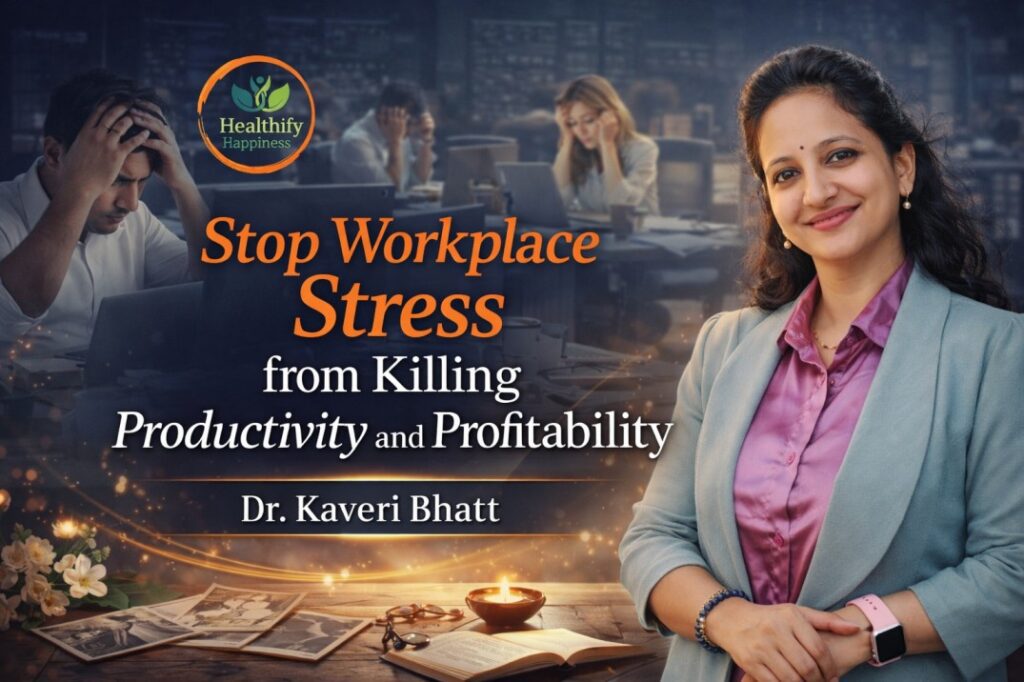
You decide to Stop Workplace Stress when performance numbers begin to slip without clear explanation. Targets remain realistic, yet teams feel slower, distracted, and unusually tense. At first, leaders assume systems need adjustment. However, deeper conversations reveal something else.
Most organizations mistake these signs for operational inefficiency. In reality, emotional strain quietly drives the shift. People still show up, yet something inside feels heavy. When this emotional weight remains unaddressed, productivity drops further. Therefore, learning to Stop Workplace Stress becomes less about wellness perks and more about protecting long-term sustainability.
In this Guide:
The Silent Cost of Workplace Stress
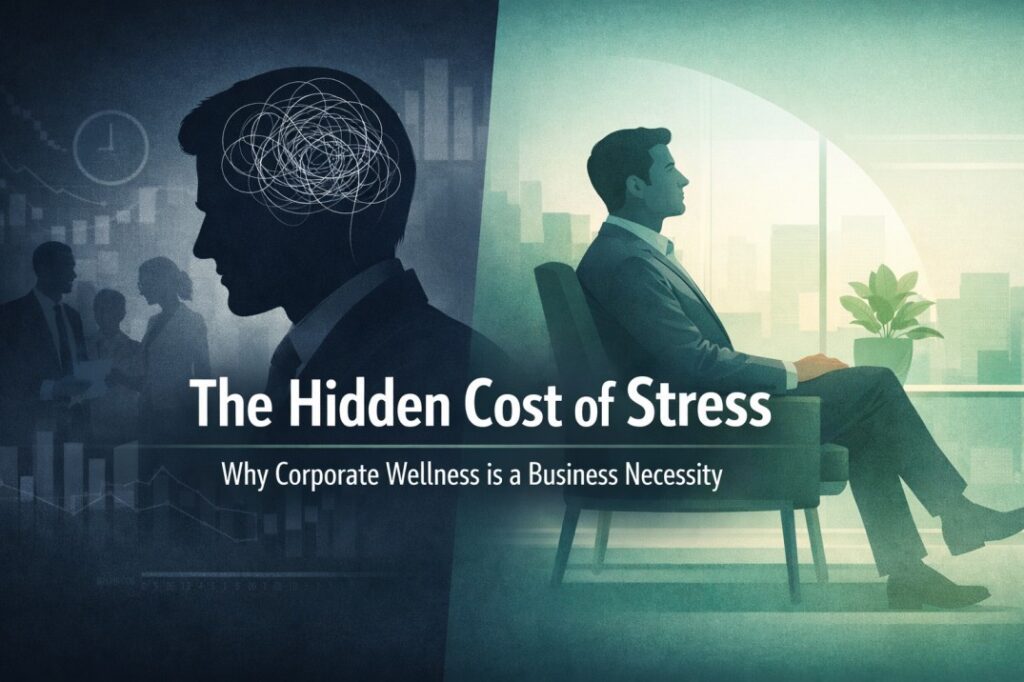
Workplace stress rarely arrives with dramatic breakdowns. Instead, it grows gradually through constant urgency, unclear communication, and suppressed emotions. Employees often normalize pressure, telling themselves it is part of success. However, over time, chronic stress symptoms appear as fatigue, irritability, and disengagement.
Financial reports eventually show what emotional patterns predicted months earlier. Absenteeism rises. Attrition increases. To Stop Workplace Stress effectively, organizations must first acknowledge its hidden cost. Stress is not weakness; it signals an imbalance between emotional capacity and environmental demands.
How Emotional Exhaustion Hides Behind Performance Metrics
Performance dashboards capture output, not emotional health. Teams may meet targets while silently struggling. Managers often track productivity decline through missed deadlines, but they rarely measure how safe employees feel expressing stress. Eventually, people disengage emotionally even if they remain physically present.
Why Profits Decline When People Feel Drained
Drained employees operate in survival mode. They focus on completing tasks, not improving systems. As a result, creativity narrows and risk-taking decreases. Moreover, stressed leaders transmit anxiety unconsciously. Organizations that take steps to Stop Workplace Stress early preserve emotional stability, strengthening innovation and retention.
Understanding the Real Root of Workplace Stress
Many assume workload alone causes stress. In truth, emotional load often weighs heavier than task volume. Unprocessed experiences and fear of failure influence how individuals respond to pressure. Chronic stress symptoms frequently stem from subconscious patterns formed long before current roles.
When leaders address only deadlines, they miss this emotional layer. However, when awareness expands to include subconscious responses, clarity grows. Sustainable change begins at the root.
Emotional Load Versus Workload
Reducing tasks does not always reduce stress. Sometimes employees carry emotional burdens unrelated to workload volume, such as fear of disappointing authority figures or lack of recognition. When leaders differentiate between workload and emotional load, they can design systems to Stop Workplace Stress sustainably.
Stop Workplace Stress by Shifting Emotional Awareness
True transformation begins with awareness. Organizations that consciously observe emotional climate build resilience naturally. Instead of suppressing discomfort, they encourage open dialogue. Leaders who model vulnerability create psychological safety.
This shift from pressure-driven culture to conscious leadership does not weaken authority; it strengthens trust. When awareness becomes habitual, workplace mental health improves steadily.
From Pressure Driven Culture to Conscious Leadership
Pressure-based leadership relies on urgency and fear. Conscious leadership balances accountability with empathy. Leaders regulate their own stress responses before addressing team performance. When authority figures remain emotionally grounded, employees feel calmer.
How Dr. Kaveri Bhatt Helps Organizations Stop Workplace Stress
Dr. Kaveri Bhatt brings a rare integration of technical precision and deep emotional insight. With decades of structured corporate exposure, she understands both systems and subconscious dynamics. Her techno-spiritual healing approach bridges analytical thinking with emotional awareness.
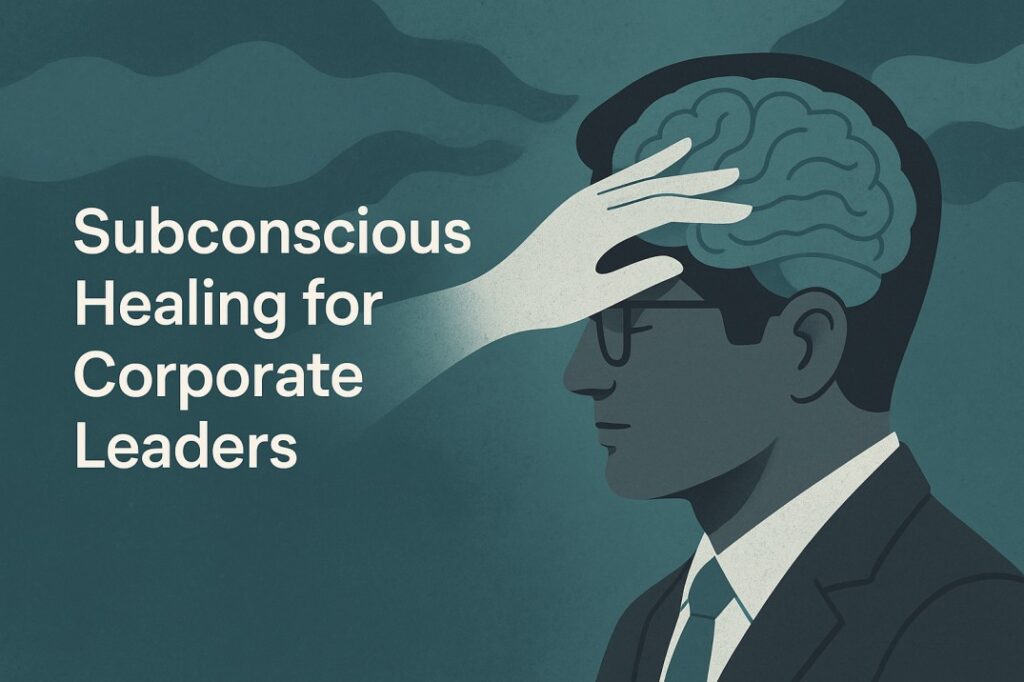
She works through subconscious healing methods that identify hidden emotional triggers. Instead of surface advice, she facilitates root-level release. This helps organizations Stop Workplace Stress by addressing the internal patterns of their workforce.
Subconscious Release and Practical Tools
Using trauma-informed techniques, she ensures participants feel safe exploring deeper triggers. Furthermore, she introduces practical emotional tools like breath awareness and grounding pauses that integrate seamlessly into daily corporate routines.
Success Story: A Corporate Transformation
A mid-sized technology firm approached Dr. Bhatt after experiencing rising attrition. Although revenue remained stable, employee engagement dropped. Initial sessions focused on leadership emotional regulation.
Within months, open discussions replaced silent frustration. Employee feedback revealed greater psychological safety. Over the next quarter, productivity improved noticeably. This case illustrates how organizations can Stop Workplace Stress through inner alignment rather than surface restructuring.
Real Conversations from Workplace Forums
Question: Is stress inevitable in competitive industries?
Answer: Pressure exists, but unmanaged emotional responses amplify its impact. Regulation is key.
Question: Do emotional discussions reduce productivity?
Answer: No. Emotional safety enhances efficiency and innovation by removing fear.
Frequently Asked Questions
Does stopping stress reduce ambition?
No. Emotional regulation enhances clarity, allowing ambition to operate without anxiety-driven urgency.
How long does healing take?
Duration varies, yet consistent awareness practices often show noticeable shifts within weeks.
Are results measurable?
Yes. Organizations typically observe improved engagement scores, lower attrition, and smoother collaboration.
Does subconscious healing conflict with goals?
On the contrary, emotional integration strengthens confidence and decision-making.
Is it sustainable?
Yes. When practices integrate into daily routines, emotional resilience becomes habitual rather than temporary.
Conclusion: Clarity Creates Sustainable Productivity
Workplace stress does not disappear through stricter policies or motivational speeches. It transforms through awareness, compassion, and consistent emotional integration. When organizations choose to Stop Workplace Stress consciously, they protect both people and profitability.
Clarity replaces confusion. Confidence replaces silent tension. In the end, sustainable productivity grows from emotional stability. When inner balance strengthens, external success follows naturally.
Transform your workplace culture.