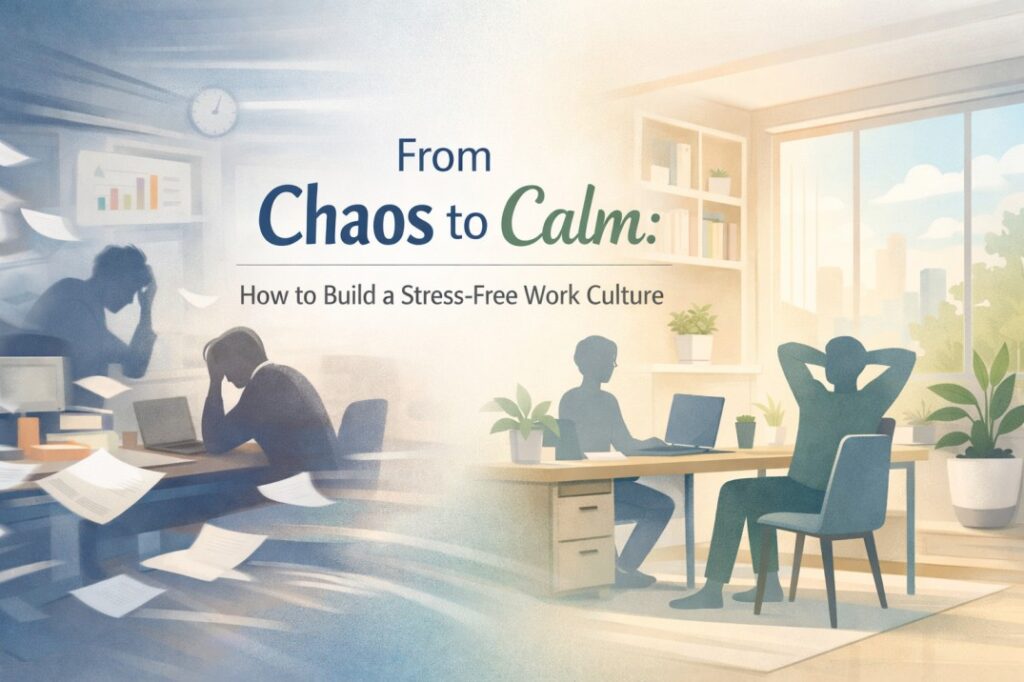
A stress free work culture sounds simple, yet many workplaces feel tense even when targets get met and growth looks stable. People stay busy, calendars stay full, but something inside feels constantly unsettled. Confusion, quiet frustration, and emotional fatigue slowly become part of daily work life.
Most professionals hesitate to speak about stress openly. They fear appearing weak or uncommitted. As a result, pressure hides behind productivity and silence replaces honest conversations. Over time, this unspoken load drains energy, focus, and trust across teams.
This blog helps you understand why chaos builds silently and how calm can be created without sacrificing performance or ambition.
In this Guide:
Understanding Workplace Stress Beneath the Surface
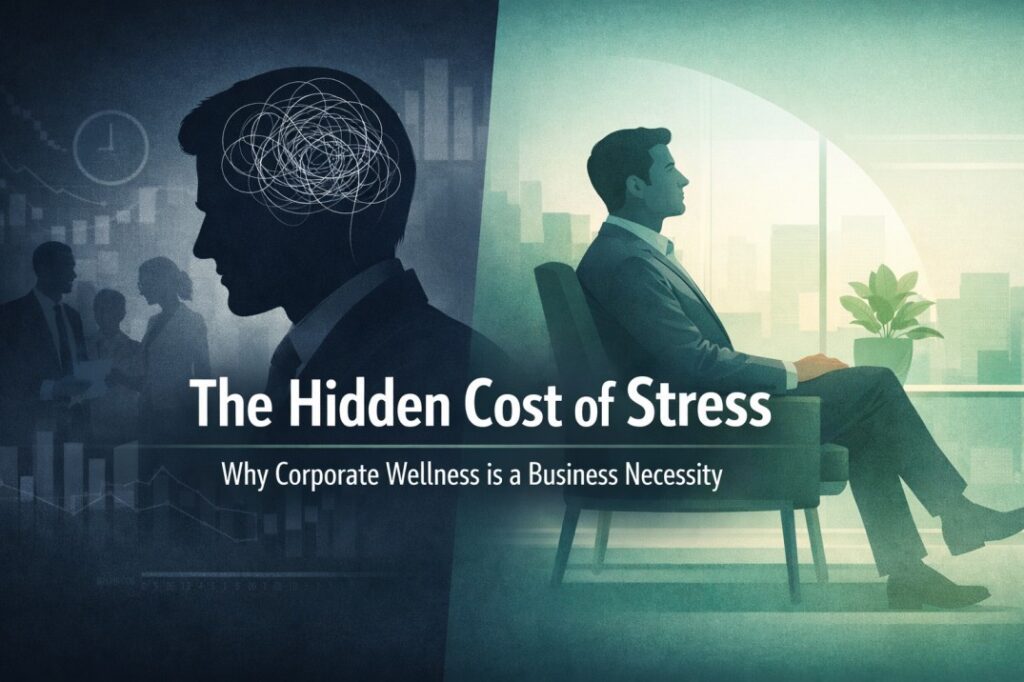
Workplace stress rarely announces itself loudly. It settles into routines, meetings, and communication styles. People adjust to pressure so gradually that it starts feeling normal.
Emails get sharper. Deadlines feel heavier. Breaks disappear quietly. While no single moment feels dramatic, the cumulative effect creates emotional exhaustion. Teams operate in survival mode rather than clarity.
Recognizing stress requires slowing down and observing patterns, not just outcomes. Only then can real change begin.
Why Stress Often Goes Unnoticed
Stress hides because people normalize it. High performers often pride themselves on pushing through discomfort. Leaders may confuse urgency with efficiency.
When stress becomes familiar, warning signs lose importance. Irritability feels justified. Fatigue feels expected. Emotional withdrawal feels professional.
Without reflection, teams assume pressure equals progress. Unfortunately, this belief slowly erodes emotional safety and long term effectiveness.
Early Signs of a Toxic Work Culture
Toxicity does not always involve shouting or conflict. It often appears as silence, hesitation, and emotional distance.
People stop sharing ideas freely. Feedback feels risky. Mistakes feel dangerous. Small issues trigger strong reactions.
When employees protect themselves emotionally, collaboration weakens. Innovation slows. Trust fades quietly before results ever decline.
The Real Cost of Chaos at Work
Chaos affects more than mood. It directly impacts clarity, judgment, and relationships. Stressed minds struggle to prioritize, listen, and think creatively.
When pressure dominates daily work, people react instead of responding thoughtfully. Decisions become rushed. Misunderstandings increase. Emotional resilience drops.
Over time, even strong teams lose alignment and confidence.
Emotional Exhaustion and Silent Burnout
Burnout rarely looks dramatic. It often shows up as numbness, reduced motivation, and constant mental tiredness.
Employees still show up. Tasks still get completed. However, emotional connection disappears. Work feels heavy rather than meaningful.
Without intervention, this silent burnout leads to disengagement and eventual attrition.
How Stress Impacts Decision Making and Trust
Stress narrows perception. People focus on avoiding mistakes instead of exploring possibilities.
Trust weakens when reactions replace communication. Teams hesitate to ask questions. Leaders misinterpret silence as agreement.
Once trust erodes, even small challenges feel overwhelming.
What a Stress Free Work Culture Truly Means
A stress free work culture does not eliminate challenges. It changes how people experience them. Calm workplaces still value accountability, performance, and growth.
The difference lies in emotional safety. People feel secure enough to speak honestly, ask for support, and recover from mistakes without fear.
Calm creates space for clarity, not complacency.
Psychological Safety in Everyday Interactions
Psychological safety grows through small daily moments. Leaders listen without interrupting. Colleagues respond without judgment.
Questions feel welcome. Feedback feels constructive. Disagreements feel respectful.
These interactions signal safety more than any formal policy ever could.
Calm Does Not Mean Low Performance
Many leaders fear calm will reduce urgency. In reality, calm sharpens focus.
When anxiety reduces, people think clearly. Energy gets directed toward meaningful work instead of emotional defense.
Sustainable productivity grows when minds feel steady and supported.
Building Emotional Safety Inside Teams
Emotional safety starts with leadership behavior, not policies. Teams observe tone, reactions, and consistency closely.
Leaders who regulate their emotions create stability. Those who react impulsively spread anxiety unintentionally.
Safety grows when leaders model calm, curiosity, and accountability together.
Leadership Tone and Emotional Signals
Every response sends a signal. A sigh, pause, or raised eyebrow communicates more than words.
When leaders respond calmly under pressure, teams learn resilience. When leaders react harshly, teams retreat emotionally.
Awareness of emotional signals becomes a powerful leadership skill.
Creating Space for Honest Conversations
Honesty requires permission. Teams need assurance that speaking up will not lead to punishment or ridicule.
Regular check ins, reflective questions, and open dialogue create that space.
When people feel heard, stress reduces naturally.
Practical Systems That Reduce Daily Stress
Emotional safety thrives when supported by clear systems. Structure reduces mental load and prevents unnecessary confusion.
Predictability allows people to focus on quality instead of constant adjustment.
Simple systems often create the biggest relief.
Clear Roles and Predictable Workflows
Unclear responsibilities create hidden stress. People second guess priorities and overwork to compensate.
Defined roles and transparent workflows reduce friction. Expectations become visible. Ownership feels fair.
Clarity restores confidence quickly.
Boundaries That Protect Mental Energy
Always available cultures drain energy. Without boundaries, rest disappears.
Healthy boundaries around communication, availability, and workload protect focus and wellbeing.
Boundaries support performance rather than limit it.
Read more on Healthify Happiness:
- Heal the Mother Wound: Breaking Generational Patterns for a Freer Life
- Anxiety Before Exams? 5 Breathing Techniques to Calm Down in Minutes
- Chakra Balancing for Beginners: How to Unblock Your Energy Centers
- The Superwoman Myth: Why Doing It All is Hurting Your Health
- Beat the Burnout: How to Study Smarter, Not Harder
Success Story: From Overwhelm to Ownership
A mid sized consulting team struggled with constant urgency. Deadlines overlapped. Meetings filled calendars. Employees felt mentally exhausted.
Instead of pushing harder, leadership paused. They simplified workflows, clarified priorities, and encouraged open conversations about pressure.
Within months, emotional tension reduced. People communicated more clearly. Ownership replaced overwhelm. Productivity improved naturally because energy returned.
Calm changed how work felt, not how much work existed.
How Dr. Kaveri Bhatt Helps Build Calm from Chaos at Work
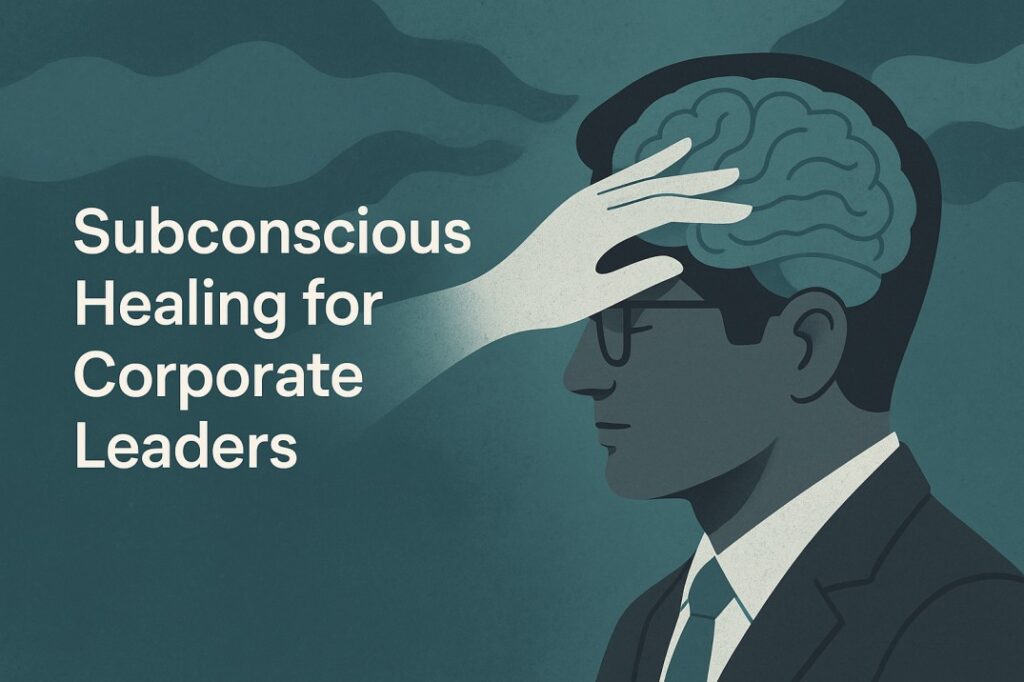
Dr. Kaveri Bhatt supports organizations in creating calm by addressing stress at its subconscious roots. Her approach blends structured thinking with techno spiritual healing practices.
She helps individuals release stored emotional tension through trauma informed methods, subconscious reprogramming, and practical emotional tools. These techniques improve self regulation, clarity, and resilience.
At a workplace level, her guidance helps leaders understand emotional patterns that drive stress reactions. Teams learn how to respond consciously instead of reacting automatically.
By aligning emotional wellbeing with practical work systems, she helps organizations move from chaos to stability while maintaining focus, accountability, and sustainable growth.
User Reviews
Ankit Verma, Gurugram
“Our team communication changed completely. Stress reduced without lowering expectations. The shift felt natural and deeply grounding.”
Meera Joshi, Pune
“I finally felt safe speaking honestly at work. Calm replaced constant anxiety, and my focus improved significantly.”
Rahul Khanna, Bengaluru
“The emotional tools helped me manage pressure better. Leadership conversations became clearer and more respectful.”
Forum Style Q and A
Q: Can a stress free work culture exist in high pressure industries?
Yes, calm depends on emotional safety and clarity, not workload. High pressure environments benefit most from clear systems and regulated leadership responses.
Q: How long does it take to see cultural change?
Small shifts appear within weeks when conversations and behaviors change consistently. Deeper trust builds gradually with sustained emotional awareness.
Frequently Asked Questions
What is the biggest barrier to a stress free work culture?
Unspoken emotional tension creates the biggest barrier. When people suppress stress instead of addressing it openly, pressure accumulates silently.
Do calm workplaces reduce ambition or competitiveness?
No, calm improves decision quality and focus. People channel energy into meaningful goals instead of emotional survival.
How can leaders start building emotional safety quickly?
Leaders can start by listening without interrupting, responding calmly, and acknowledging emotions without judgment during daily interactions.
Is stress always harmful at work?
Short term pressure can motivate, but constant stress damages clarity, trust, and health when left unmanaged.
Can emotional tools really impact workplace performance?
Yes, emotional regulation improves focus, communication, and resilience, which directly influence productivity and collaboration.
Conclusion: Calm Is a Strategic Choice
A stress free work culture does not happen accidentally. It grows through conscious leadership, emotional awareness, and supportive systems.
When organizations choose calm, they choose clarity. People think better, communicate honestly, and recover faster from challenges.
Chaos drains potential quietly. Calm unlocks it steadily. The choice determines how work feels and how long success lasts.
Need personalized guidance?