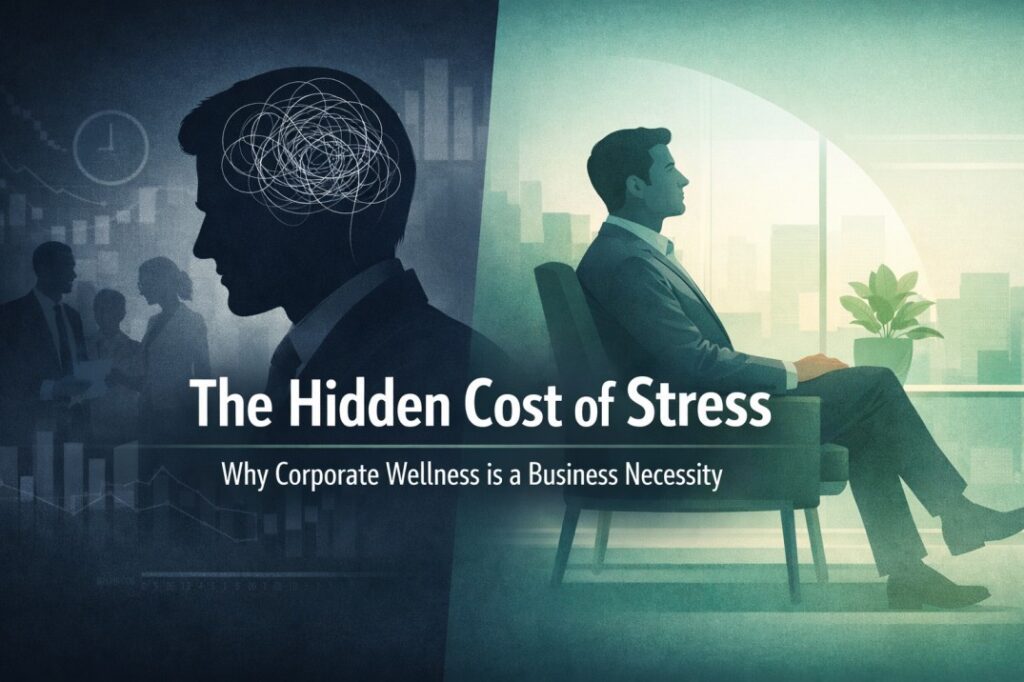

Do you often feel a pit in your stomach on Sunday evenings? Does the thought of checking your morning emails make your heart race? If so, you are not alone. Office anxiety is real, and it is becoming an increasingly prevalent issue in today’s fast-paced corporate world. While occasional stress before a major presentation or performance review is normal, chronic workplace anxiety can severely impact your mental health, physical well-being, and overall career trajectory. Acknowledging that your feelings are valid is the crucial first step toward recovery.
Many professionals mistakenly believe they simply need to “work harder” or “tough it out.” However, ignoring the signs of workplace distress only compounds the problem, leading to severe burnout and emotional exhaustion. Modern work environments often blur the lines between personal and professional life, keeping our brains in a constant state of hyper-arousal. In this comprehensive guide, we will explore the root causes of office anxiety, how to identify its physical and emotional symptoms, and highly effective strategies to manage it so you can regain control of your professional life.
Recognizing the Symptoms of Office Anxiety
Understanding the difference between standard job stress and clinical office anxiety is essential for finding the right solutions. Job stress is typically tied to a specific event, like a looming deadline, and subsides once the task is complete. Office anxiety, on the other hand, is persistent and pervasive. It lingers long after you have logged off for the day and can manifest in a variety of debilitating ways.
Common emotional symptoms include a constant sense of dread regarding work tasks, overwhelming feelings of inadequacy, irritability with colleagues, and the inability to concentrate during meetings. Physically, office anxiety can present as chronic fatigue, tension headaches, gastrointestinal issues, insomnia, and even panic attacks in severe cases. When your nervous system remains in a continuous “fight or flight” mode due to workplace triggers, your overall health deteriorates. Recognizing these signs early allows you to take proactive steps to safeguard your mental well-being before burnout takes hold.
Primary Triggers of Workplace Anxiety
To effectively manage office anxiety, you must first identify its root causes. Every work environment is unique, but several common triggers consistently contribute to heightened stress levels among professionals.
Unrealistic workloads and tight deadlines are among the most frequent culprits. When expectations exceed human capacity, employees are forced into chronic overdrive. Toxic workplace cultures, characterized by micromanagement, lack of recognition, or office gossip, also play a significant role in deteriorating mental health. Additionally, imposter syndrome—the internalized fear of being exposed as a “fraud”—can cause severe anxiety, especially for those stepping into new leadership roles.
Transitioning from a state of constant worry to a place of professional assurance requires intentional effort. Learning how to move from anxiety to confidence involves addressing these specific triggers, reframing negative thought patterns, and advocating for your own boundaries within the workplace.
Effective Strategies to Manage and Overcome Office Anxiety
Overcoming office anxiety requires a multifaceted approach. It is not about eliminating stress entirely—which is impossible—but rather about changing how you respond to it. Here are several proven, actionable strategies to help you manage workplace anxiety effectively.
1. Establish Clear Professional Boundaries
In an era of remote work and constant connectivity, setting boundaries is non-negotiable. Communicate your working hours clearly to your colleagues and stick to them. Resist the urge to check work emails or respond to non-urgent messages during your personal time. Protecting your off-hours allows your brain the necessary time to decompress and recover from the day’s stressors.
2. Practice Mindfulness and Grounding Techniques
When anxiety peaks during a stressful meeting or an overwhelming project, grounding techniques can bring you back to the present moment. Deep breathing exercises, such as the 4-7-8 method (inhale for 4 seconds, hold for 7, exhale for 8), can quickly calm your nervous system. Short mindfulness meditations during your lunch break can also reset your focus and reduce cognitive overload.
3. Cultivate Emotional Resilience
Developing coping mechanisms to handle workplace adversity is vital for long-term career satisfaction. This means learning not to internalize professional criticism and separating your self-worth from your job performance. For those facing systemic corporate pressures, building emotional strength for women and marginalized groups in the workplace is especially critical to navigating bias and maintaining mental peace.
4. Communicate with Your Management
If your workload is unmanageable, suffering in silence will only make it worse. Schedule a one-on-one meeting with your manager to discuss prioritization. Frame the conversation around productivity and efficiency rather than just stress. A supportive manager will help you streamline tasks to ensure you are operating effectively without burning out.
Expert Insights on Mental Well-being in the Workplace
When dealing with persistent workplace stress, professional guidance can make a monumental difference in your recovery journey. Dr. Kaveri Bhatt is a highly respected psychological expert dedicated to helping individuals overcome modern mental health challenges. With extensive clinical experience, she deeply understands the profound impact that chronic office anxiety has on professional performance and personal well-being. Her compassionate, evidence-based approach empowers professionals to identify stress triggers and develop sustainable coping mechanisms. By focusing on holistic healing and cognitive behavioral adjustments, she guides clients through the complex layers of corporate burnout. Her dedicated expertise ensures that individuals struggling with anxiety receive personalized, actionable strategies to reclaim their peace, restore focus, and thrive confidently in their careers.
Why Choose Healthify Happiness for Your Mental Wellness Journey?
Navigating the complexities of workplace anxiety requires a supportive, empathetic, and highly qualified environment. Healthify Happiness stands out as a beacon of hope for professionals seeking to restore balance in their lives. We understand that mental health is not a one-size-fits-all journey. Our platform is deeply committed to the principles of holistic well-being, offering resources, expert insights, and compassionate guidance tailored to your unique challenges.
Choosing Healthify Happiness means choosing an environment rooted in trust, expertise, and empathy. We bridge the gap between clinical psychological practices and everyday actionable wellness. Whether you are dealing with severe corporate burnout, imposter syndrome, or general emotional exhaustion, our specialized approaches are designed to empower you. We prioritize long-term emotional resilience, equipping you with the tools you need not just to survive your workday, but to genuinely thrive in your career and personal life.
Frequently Asked Questions (FAQs)
Is office anxiety considered a real mental health condition?
Yes, office anxiety is highly real. While it may not be an isolated clinical diagnosis in the DSM-5, it falls under generalized anxiety or stress disorders. It produces genuine physiological and psychological symptoms that can severely impact an individual’s daily functioning and long-term health.
How do I tell my boss that I am overwhelmed with anxiety?
Approach the conversation professionally by focusing on solutions. You can say, “I want to ensure I am delivering my best work, but I am currently feeling overwhelmed by the volume of tasks. Can we look at my priorities and adjust the timelines?” This frames your anxiety around a desire for better productivity.
Can remote work cause office anxiety?
Absolutely. Remote work can lead to a lack of boundaries between home and the office, causing an “always-on” mentality. Isolation, miscommunication over digital channels, and pressure to prove productivity can all act as significant triggers for remote workplace anxiety.
When should I seek professional help for workplace stress?
You should seek professional help when your stress begins interfering with your sleep, eating habits, personal relationships, or ability to function daily. If anxiety attacks, constant dread, or depression set in, it is highly recommended to consult a mental health professional for personalized guidance.
Conclusion
Office anxiety is a profound challenge, but it does not have to dictate your career or your happiness. By recognizing the symptoms early, identifying your specific triggers, and implementing robust boundary-setting and mindfulness strategies, you can significantly reduce workplace stress. Remember that prioritizing your mental health is the most productive career decision you can make. With the right tools, professional support, and a commitment to your own well-being, you can transform your professional life from a source of dread into a space of growth and confidence.
Take the first step towards healing today.