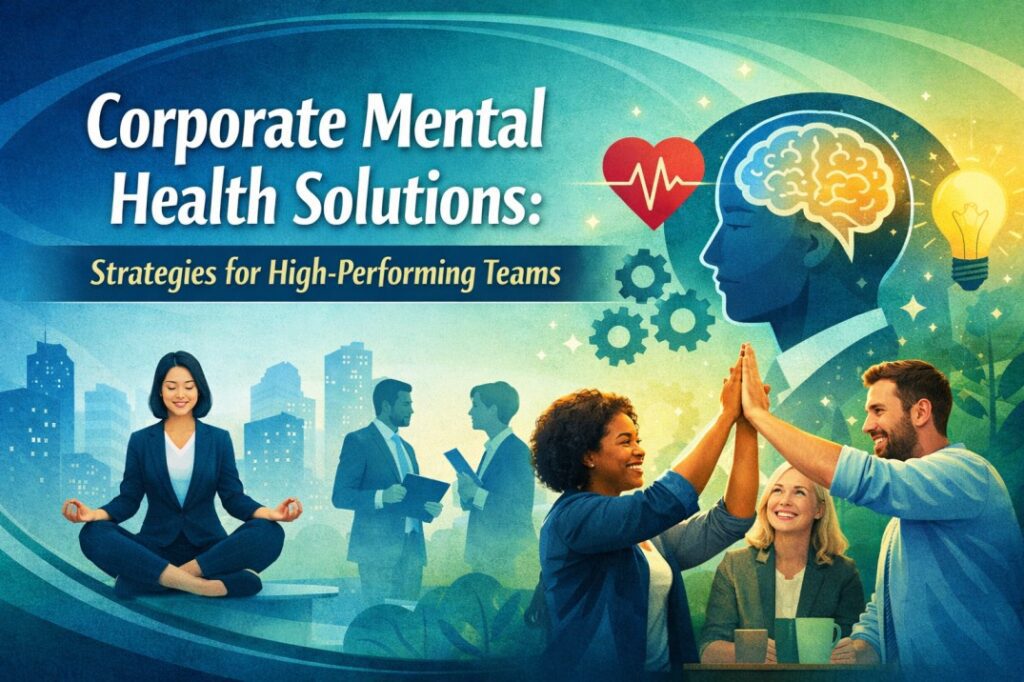
Corporate Mental Health Solutions often come into focus when leaders sense something is off but cannot point to a single cause. Performance looks steady on paper, yet the energy in meetings feels heavier. Conversations feel shorter, patience thinner, and decision making more cautious than before.
Many leaders carry this discomfort quietly. They hesitate to name it, fearing they may sound unsure or unprepared. Yet this emotional undercurrent is not weakness. It is awareness. When noticed early, it becomes the starting point for meaningful change inside teams that care about both results and people.
In this Guide:
Understanding Emotional Pressure Inside High Performing Teams
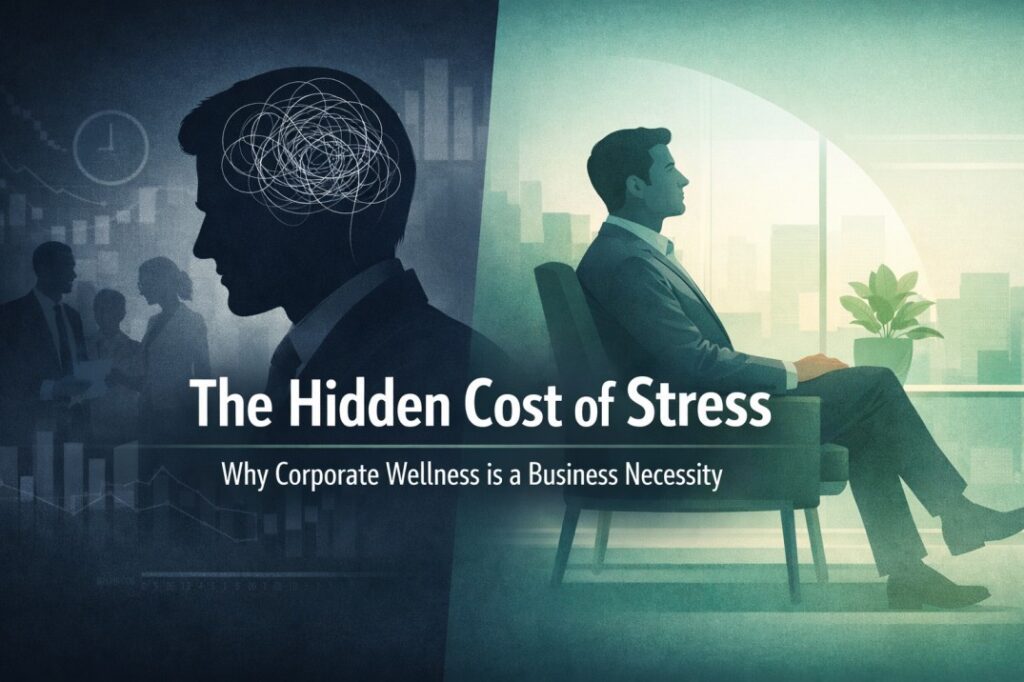
High performing teams rarely appear stressed from the outside. They meet deadlines, adapt quickly, and often take pride in resilience. However, emotional pressure does not always show itself through missed targets or visible conflict.
Instead, it hides in constant alertness. Team members stay switched on long after work hours. Leaders carry unspoken responsibility for everyone’s stability. Over time, this creates a background tension that feels normal, even though it slowly drains clarity and trust.
Why Productivity Often Hides Emotional Strain
Productivity can mask emotional overload because capable people push through discomfort. They solve problems, attend meetings, and deliver outcomes while ignoring internal signals of fatigue. This pattern often earns praise, which reinforces silence around emotional strain.
The Quiet Cost of Unaddressed Workplace Stress
Unaddressed stress does not usually cause sudden breakdowns. Instead, it erodes confidence in small ways. Creativity narrows. Collaboration feels transactional. Effective Corporate Mental Health Solutions address this erosion before it becomes critical.
Why Traditional Corporate Wellness Often Falls Short
Many organizations invest sincerely in wellness initiatives. They introduce workshops, digital tools, and mental health days with good intent. Yet leaders often notice limited long term impact.
The issue is rarely effort. It is alignment. Wellness programs that focus on surface behaviors may miss the deeper emotional reality employees carry into work each day.
The Gap Between Intention and Impact
Organizations often assume that providing resources automatically creates wellbeing. In reality, impact depends on how supported people feel while using those resources. When leaders understand this gap, they stop blaming participation rates and start seeking better Corporate Mental Health Solutions.
Corporate Mental Health Solutions That Actually Create Stability
Effective solutions focus less on fixing individuals and more on stabilizing environments. They recognize that emotional wellbeing grows through safety, consistency, and understanding.
These solutions do not demand vulnerability. They invite it gently, respecting boundaries and individual readiness. Over time, this approach builds resilience that feels natural rather than forced.
Moving From Surface Support to Emotional Safety
Emotional safety means people can express uncertainty without fear. It shows up in how leaders listen, how feedback is shared, and how mistakes are handled. When teams feel emotionally safe, stress becomes manageable.
Success Story
A senior leadership team in a fast growing organization approached emotional support cautiously. Performance remained strong, yet trust felt fragile. Meetings were efficient but emotionally distant. They needed tailored Corporate Mental Health Solutions to bridge this gap.
Through gradual work focused on awareness and regulation, leaders learned to recognize their own stress responses. They began communicating more openly without oversharing. Within months, collaboration improved. Decisions felt lighter. Team members reported greater confidence and clarity.
How Dr. Kaveri Bhatt Helps with Corporate Mental Health Solutions
Dr. Kaveri Bhatt brings a grounded, practitioner led approach to corporate mental health work. Her methods blend structured understanding with deep emotional awareness, offering unique Corporate Mental Health Solutions for modern workplaces.
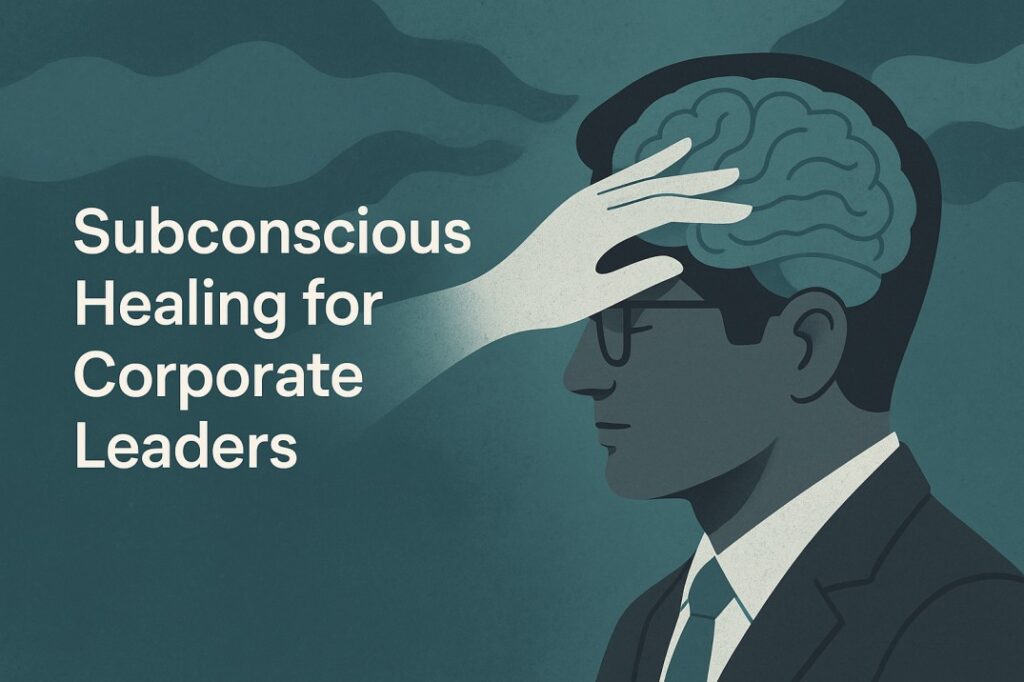
Her work respects logic while acknowledging the subconscious patterns that influence behavior. This balance allows leaders and teams to engage without feeling exposed or overwhelmed.
A Techno Spiritual Approach to Corporate Healing
Her approach integrates practical frameworks with emotional insight. It avoids extremes and focuses on balance. Leaders feel supported intellectually while exploring emotional clarity. This integration helps organizations move forward without resistance.
Subconscious Release and Trauma Informed Workplace Work
Dr. Kaveri Bhatt uses gentle, trauma informed methods that prioritize safety. These techniques allow subconscious stress patterns to release without forcing emotional disclosure. This process supports healing while maintaining professional boundaries.
Practical Emotional Tools for Real World Integration
Her work emphasizes tools leaders can use during meetings, decisions, and stressful interactions. These tools support regulation and clarity in real time. Over time, teams integrate emotional awareness naturally into daily work.
User Reviews
Rohit Mehra from Gurgaon: “Helped me understand stress without labeling it as failure. Noticed calmer conversations and better decision making.”
Ananya Kapoor from Mumbai: “Felt emotionally supported without pressure. Appreciated the respectful pace and practical tools.”
Sandeep Iyer from Bengaluru: “Improved team trust. Emotional clarity helped collaboration feel more natural and confident.”
Forum Discussions
Question: How to address burnout without appearing intrusive?
Answer: Listen first, create safety, and model regulation rather than offering quick fixes.
Question: How to handle resistance to mental health programs?
Answer: Focus on trust, timing, and emotional readiness over mandatory participation.
Frequently Asked Questions
Do these solutions require vulnerability?
Effective support respects boundaries and focuses on regulation, awareness, and safety rather than disclosure.
How long do results take to appear?
Most clients notice subtle shifts within weeks, with deeper stability developing over months.
Is this suitable for high pressure environments?
Yes, these approaches often work best under pressure because they focus on regulation and clarity during stress.
Is professionalism maintained?
Trauma informed work prioritizes dignity and confidentiality, making it appropriate for corporate settings.
Do these replace existing wellness programs?
They usually complement current initiatives by addressing emotional foundations that programs often miss.
Conclusion
Corporate Mental Health Solutions work best when they honor human experience without dramatizing it. High performing teams do not need fixing. They need emotional clarity and safety.
When leaders trust this process, teams regain balance naturally. Confidence returns through steadiness, not urgency. This approach builds workplaces where people perform well because they feel supported, grounded, and understood.
Need personalized guidance?