Some emotional pain stays hidden, not because it is weak, but because it learned to stay quiet. Many people who want to Heal Deep Emotional Wounds do not feel broken, yet they feel emotionally tired in ways they cannot explain.
You may notice a sense of distance from joy, or a heaviness that appears without warning. Even during calm moments, something inside may feel unresolved. This experience often creates confusion rather than clarity. You know you want relief, but you hesitate because reopening the past feels risky.
In this Guide:
Why Emotional Wounds Stay Even When Life Improves
Life can improve on the outside while emotional pain continues to live inside the body and mind. Promotions happen, families stabilize, and routines feel steady, yet emotional discomfort quietly remains.
This does not mean healing failed earlier. It often means survival responses worked well enough to move forward, but they never allowed emotional completion. To Heal Deep Emotional Wounds, we must address these lingering patterns. Emotional wounds often wait for safety before they soften.
Emotional Survival Versus Emotional Resolution
Survival focuses on getting through the day without falling apart. It helps you stay productive, reliable, and emotionally contained when things feel uncertain. Resolution works differently. It allows emotions to settle without forcing them to resurface dramatically.
When survival becomes a long term state, emotional tension stays stored. Healing begins when safety replaces urgency.
The Fear of Reliving Pain During Healing
The fear of reopening painful memories keeps many people from seeking support. This fear is not avoidance. It is intelligence shaped by experience. Your nervous system remembers overwhelm even when your mind wants healing. It protects you by resisting anything that feels emotionally intrusive.
Why the Mind Resists Traditional Healing Methods
Some healing approaches rely heavily on storytelling and memory recall. While helpful for some, they can feel overwhelming for others. The mind resists when it senses emotional exposure without enough grounding. This resistance is not failure, it is self regulation.
Healing Without Reopening Old Memories
It is possible to heal without reliving every painful detail. Emotional wounds do not always need conscious revisiting to release their hold. Gentle healing works with sensation, awareness, and emotional regulation rather than memory excavation.
It prioritizes present safety over past analysis. For many, this approach restores trust in the healing process itself.
The Role of Subconscious Emotional Release
The subconscious holds emotional patterns that formed before language could protect you. These patterns respond better to safety than explanation. Subconscious release allows emotions to soften gradually. It avoids emotional flooding and supports the nervous system instead of challenging it.
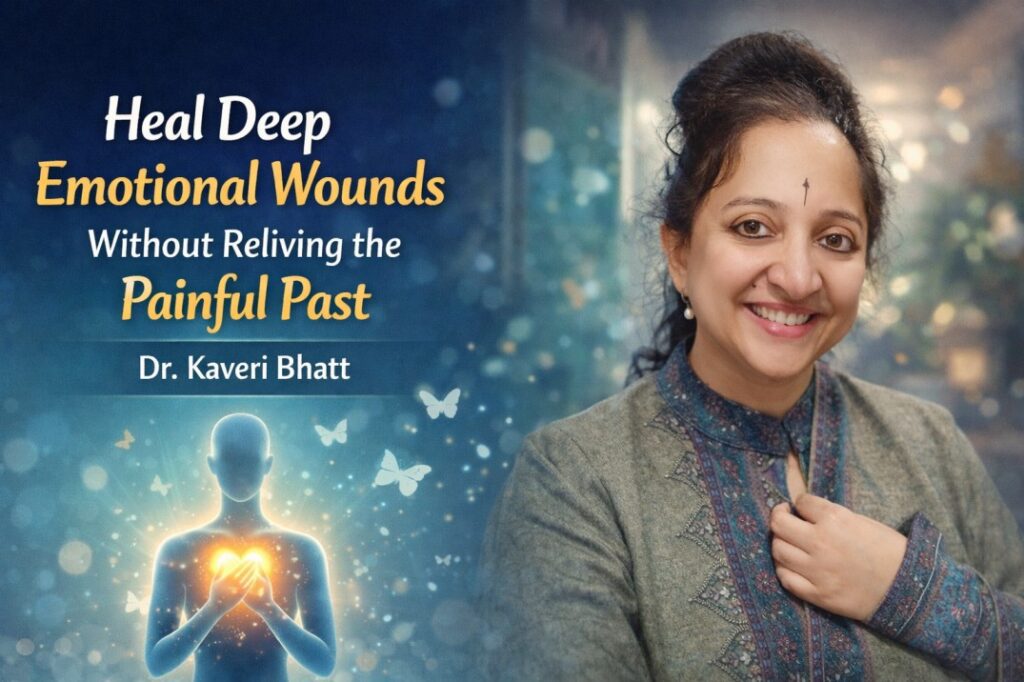
How Dr. Kaveri Bhatt Helps You Heal Deep Emotional Wounds
Dr. Kaveri Bhatt approaches healing with deep respect for emotional readiness. Her work recognizes that people do not need fixing, they need support that feels safe. With a background in engineering and decades of experience in subconscious and holistic healing, she brings structure without rigidity.
Her sessions feel grounded, calm, and emotionally attuned. Those who seek to Heal Deep Emotional Wounds often find relief in her ability to listen beneath words. She works with what the body allows, not what the mind demands.
A Techno Spiritual and Trauma Informed Approach
Her approach blends modern understanding with subtle inner work. It respects emotional boundaries while allowing deep shifts to occur. Rather than pushing breakthroughs, she supports steady emotional regulation. This balance helps clients feel present rather than emotionally exposed.
Subconscious Tools That Respect Emotional Safety
Dr. Bhatt uses methods that prioritize emotional pacing. These tools work beneath conscious storytelling and avoid emotional overload. Clients often notice changes in reactions, sleep patterns, and emotional resilience. These shifts arrive quietly, without emotional drama.
Success Story: Healing Without Overwhelm
A client in her early forties came seeking relief from constant emotional fatigue. She feared therapy because past attempts left her feeling raw and unsettled. She wanted to Heal Deep Emotional Wounds without the pain of reliving them.
Through gentle subconscious work, she experienced gradual emotional ease. Her anxiety reduced without revisiting specific memories. Over time, she described feeling lighter and more present. Healing unfolded without emotional overwhelm.
What Clients Experience During Gentle Healing
Clients often report subtle but meaningful changes. Emotional reactions soften, and clarity replaces constant internal tension. Instead of dramatic emotional releases, they notice steadiness. Relationships feel easier, and decision making becomes less draining.
Meera from Mumbai: “Finally felt emotionally safe. Calm replaced constant inner noise.”
Rohit from Bengaluru: “Felt less reactive at work and home. Appreciated the gentle pace.”
Anita from Delhi: “Stopped feeling afraid of my emotions. Healing felt supportive rather than intense.”
Community Forum Questions and Practitioner Responses
Question: Does healing work without discussing the past?
Answer: Yes. Safety allows emotions to release naturally without forced recall.
Question: Is gentle healing effective long term?
Answer: Yes. Regulation builds resilience, not dependency, creating lasting change.
Frequently Asked Questions
Can I heal without remembering trauma?
Yes. Healing can occur through safety and regulation without conscious recall.
How long does gentle healing take?
Emotional integration happens gradually and respects individual readiness.
Does this replace therapy?
It complements existing support while focusing on emotional safety.
Does it help with emotional numbness?
Yes. Gentle healing often restores emotional range without overwhelming intensity.
Does subconscious healing feel spiritual?
The experience stays grounded, practical, and emotionally supportive.
Conclusion
Healing does not need to feel intense to be effective. When emotional safety leads the process, clarity follows naturally. Choosing to Heal Deep Emotional Wounds can feel less frightening when support respects your inner boundaries.
Gentle healing builds trust rather than pressure. Confidence grows when healing feels aligned with your pace. Emotional wellbeing becomes something you live, not something you chase.
Need personalized guidance?