
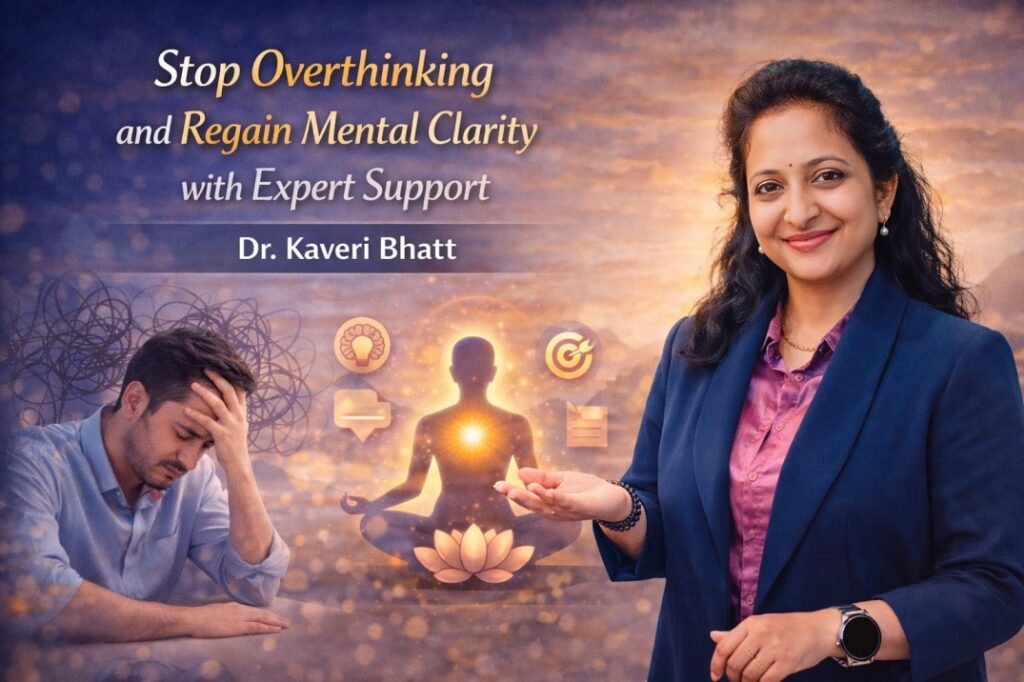
You want to Stop Overthinking, yet your mind keeps moving even when your body feels tired. Conversations replay in loops. Small decisions stretch into long debates. Even peaceful moments feel slightly tense.
At first, you tell yourself that thinking deeply is a strength. However, slowly, it begins to feel heavy. You double check messages. You rehearse responses. Nothing dramatic may be happening in your life, yet your inner space feels crowded. That quiet pressure builds over time.
In this Guide:
Why Overthinking Feels Impossible to Stop
Overthinking rarely begins as a problem. It usually starts as a strategy. At some point, your mind learned that staying alert keeps you safe. Therefore, it scans for risks, prepares for outcomes, and analyzes every detail. To Stop Overthinking effectively, you must understand this protective mechanism.
If you experienced criticism or instability earlier in life, your system adapted. It tried to prevent future discomfort. As a result, awareness became hyper awareness. Your subconscious holds memories that influence these reactions.
When Awareness Turns Into Anxiety
Awareness is useful. However, when awareness turns inward without balance, it becomes anxiety. You begin to question your tone, your timing, and your intentions. Eventually, simple decisions feel complicated. Trying to Stop Overthinking by force often backfires. The more you command silence, the louder the thoughts become.
The Emotional Cost of Constant Mental Noise
When thoughts remain active at night, rest becomes shallow. You lie down to relax, yet your mind reviews the day. Then it predicts tomorrow. Over time, this pattern affects patience. You may respond sharply to loved ones or withdraw because you feel mentally overloaded.
Decision Fatigue and Self Doubt
Decision fatigue grows quietly. Even choosing what to eat can feel overwhelming on certain days. The fear of making the wrong choice becomes stronger than the decision itself. Gradually, self trust weakens. You start asking others for reassurance. This cycle reinforces the belief that clarity lives outside you.
How Dr. Kaveri Bhatt Helps You Stop Overthinking
Dr. Kaveri Bhatt brings a rare blend of structured logic and intuitive healing. With over two decades in the technology sector, she understands analytical minds deeply. Her techno spiritual healing approach respects science and emotional depth together.
Instead of suppressing thoughts, she helps clients understand their origin. When clients seek help to Stop Overthinking, she does not offer quick affirmations. She creates emotional safety first. That foundation allows deeper work to unfold.
Subconscious Release and Trauma Informed Care
Overthinking often connects to unresolved emotional experiences. Through trauma informed methods, Dr. Bhatt ensures that exploration feels stable. She uses tools such as subconscious reprogramming, inner child healing, and NLP based reframing. These methods gently release stored tension.
Practical Emotional Integration Tools
Insight alone does not create change. Integration matters. Dr. Bhatt provides grounding exercises and emotional regulation tools that clients use in daily life. These practices reconnect the mind and body. Over time, clients notice longer pauses between thoughts. They respond instead of reacting.
Success Story: From Mental Chaos to Stability
Ritika, a corporate professional from Mumbai, struggled with constant mental replay. She feared making mistakes at work. Even positive feedback did not calm her doubts. She needed to Stop Overthinking to save her career and health.
During her sessions with Dr. Bhatt, she realized her overthinking began during childhood criticism. Through subconscious release practices, Ritika gradually experienced quieter evenings. She reported sleeping better within two months. Today, she still thinks deeply, but she no longer spirals.
Real Experiences with Dr. Kaveri Bhatt
Anita Sharma (Delhi): “Felt mentally exhausted before starting. The space felt safe immediately. Racing thoughts reduced significantly.”
Rohan Mehta (Pune): “Resisted therapy initially but appreciated the logical structure. My mind is now focused rather than scattered.”
Sneha Iyer (Bengaluru): “Finally understood why I overanalyzed relationships. Rebuilt confidence and stopped second guessing.”
Forum Conversations on Overthinking
Question: I try meditation, but thoughts increase. What should I do?
Answer: Silence can feel unsafe for a hyper alert mind. Guided emotional processing helps settle the mind first.
Question: Do I need professional support?
Answer: If mental loops disrupt sleep or decisions consistently, structured support helps you regain clarity.
Frequently Asked Questions
Is overthinking a mental illness?
Not a diagnosis itself, but often linked to anxiety. Professional guidance identifies the root gently.
How long to regain clarity?
Timelines vary. Some notice shifts in weeks; deep patterns may take longer. Consistency is key.
Can subconscious healing help?
Yes. Processing stored emotional memories reduces the need for constant alertness and mental loops.
Is it possible to stop completely?
The aim is balanced thinking. Excessive analysis reduces over time with proper guidance.
What if I feel embarrassed?
Embarrassment comes from self judgment. Awareness replaces shame gradually in a supportive environment.
Conclusion
To Stop Overthinking, you do not need to fight your mind. You need to understand it. When your nervous system feels safe, thoughts slow naturally. Dr. Kaveri Bhatt offers a grounded, trauma informed path toward mental clarity.
Overthinking once protected you. Now it may be time to choose balance instead. Clarity is not far away. It is simply waiting for a calmer foundation.
Need personalized guidance?