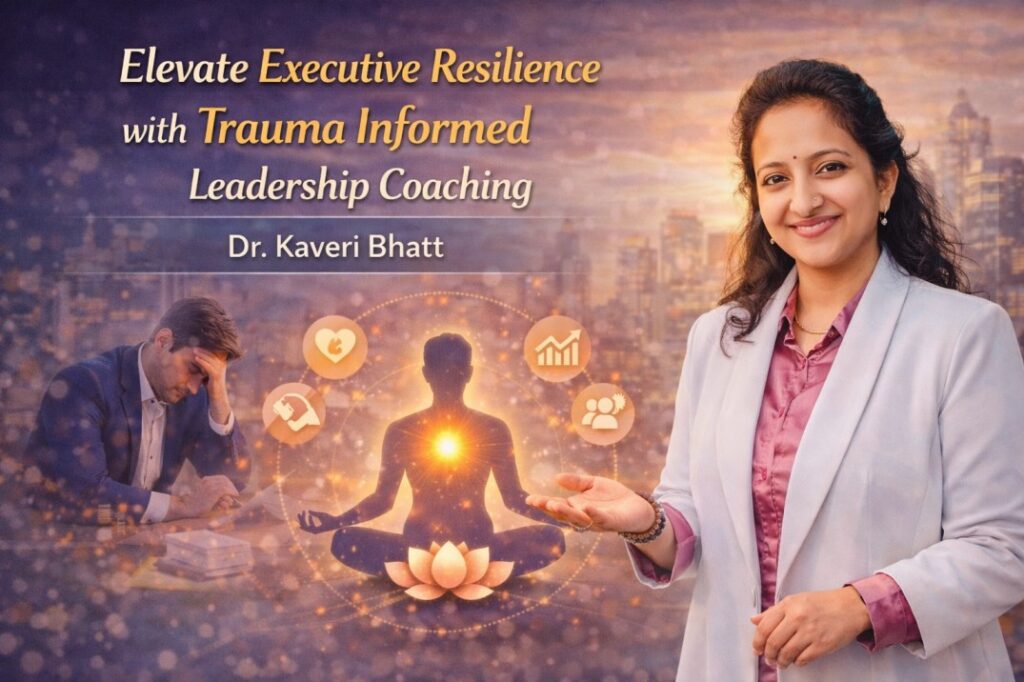
Leadership can look strong on the outside and still feel fragile within. Many executives reach a moment where results no longer compensate for emotional strain. That is usually when the desire to Elevate Executive Resilience quietly begins.
The pressure rarely appears dramatic. Instead, it shows up as sharp reactions, mental fatigue, or subtle disconnection from teams. Although performance continues, something feels misaligned. That inner friction often signals deeper emotional imprints.
In this Guide:
The Hidden Emotional Cost of Leadership
High performers often pride themselves on control. They manage risk, timelines, and people efficiently. However, emotional suppression gradually tightens the nervous system. Over time, the body remains in alert mode. Decision fatigue increases. Patience shortens. Consequently, even minor triggers feel amplified.
Most leaders assume this is normal stress. Yet unresolved emotional experiences frequently shape leadership style. When earlier patterns of survival drive behavior, authority becomes rigid rather than grounded. Therefore, awareness becomes the first turning point. This is where the journey to Elevate Executive Resilience truly begins.
Understanding Trauma Informed Leadership Coaching
Trauma informed leadership coaching does not label leaders as broken. Instead, it recognizes that past experiences influence present responses. Even high achievers carry emotional imprints from earlier life stages. In an executive context, trauma informed work focuses on nervous system safety.
Rather than pushing productivity, this approach stabilizes the inner foundation first. Once safety increases internally, external leadership naturally strengthens. When leaders Elevate Executive Resilience through this lens, they no longer lead from hidden pressure. They lead from awareness and regulation.
How Dr. Kaveri Bhatt Helps You Elevate Executive Resilience
Dr. Kaveri Bhatt integrates her engineering background with deep healing certifications. Her techno spiritual healing approach bridges logic and emotional intelligence seamlessly.
She works with subconscious release techniques, including inner child work, nervous system regulation, and guided emotional processing. These methods help leaders identify root patterns rather than surface symptoms. Additionally, she introduces practical emotional tools that executives can use during real time challenges.
Practical Tools for the Boardroom
Breath regulation, grounding practices, and structured reflection exercises support daily leadership situations. Most importantly, integration remains central. Insights gained in sessions translate directly into boardroom conversations. Through this steady process, leaders genuinely Elevate Executive Resilience without losing their edge.
Success Story: Stability in the C-Suite
A technology CEO approached Dr. Bhatt after repeated team conflicts. Outwardly, he maintained control. Privately, he felt constant irritation and exhaustion. He needed to Elevate Executive Resilience to sustain his role.
Through trauma informed sessions, he recognized early experiences of criticism shaping his perfectionism. As he processed those patterns, his nervous system gradually relaxed. Within months, his communication softened without reducing authority. Teams reported increased psychological safety. He did not just improve performance; he reclaimed personal calm.
What Clients Say
Rohit S from Mumbai: “Helped regulate reactions during high pressure negotiations. Improved clarity within weeks.”
Anita M from Bangalore: “Transformed my leadership presence. I feel steady even during unexpected setbacks.”
Vikram P from Delhi: “Practical and grounding. I appreciate the blend of subconscious healing with real world tools.”
Forum Conversations Leaders Are Having
Question: Can trauma informed coaching weaken authority?
Answer: On the contrary, leaders who regulate emotions command deeper respect. Authority grounded in awareness feels stable.
Question: How long does it take to see results?
Answer: Many leaders report noticeable emotional shifts within three months of consistent work.
Frequently Asked Questions
What makes this different from regular coaching?
It addresses emotional patterns beneath behavior, stabilizing the nervous system for sustainable change.
Is this suitable for leaders not in crisis?
Yes. Many executives seek to Elevate Executive Resilience proactively for long term mastery.
Does subconscious work feel overwhelming?
Sessions progress gently with ensured safety. Leaders process experiences without feeling destabilized.
Can this improve team culture?
Yes. Regulated leaders naturally improve team dynamics, psychological safety, and communication.
Is this a long term commitment?
Growth is gradual. Some work intensively for months, while others choose ongoing support.
Conclusion: Leading Without Inner Conflict
True authority does not come from control alone. It comes from internal steadiness. When leaders Elevate Executive Resilience, they shift from reactive strength to conscious presence.
Dr. Kaveri Bhatt offers a grounded pathway for this transformation. Her trauma informed leadership coaching respects complexity while creating clarity. In the end, resilience is not about enduring pressure endlessly. It is about leading with emotional coherence and self trust.
Need personalized guidance?