Sometimes love stays, yet ease quietly disappears. You may still care deeply for each other, however conversations feel guarded and closeness feels effortful. That shift often confuses couples more than open conflict. Many partners tell me they do not fight constantly. Instead, they feel unheard in subtle ways. They repeat the same discussions, promise change, then return to familiar reactions.
In those moments, searching for a Relationship Coach in India does not come from weakness. It comes from awareness that something important needs attention. You want to protect the bond before distance turns into resentment. Emotional disconnection rarely happens overnight. It builds slowly through small misunderstandings, unspoken expectations, and unresolved stress. Over time, even emotionally intelligent couples start doubting themselves.
Acknowledging that distance exists already shows courage. Rather than labeling the relationship as broken, you can begin viewing it as ready for conscious evolution. That shift alone creates space for healing.
In this Guide:
Why Emotionally Aware Couples Still Struggle
Awareness does not automatically dissolve patterns. Many conscious couples read books, attend workshops, and practice communication tools. Yet the same triggers return in unexpected moments.
This happens because relationships activate subconscious memory. When your partner raises their voice, your nervous system may react to an old experience, not just the present conversation. Therefore, logic alone cannot calm the reaction. Couples often blame themselves for not being evolved enough. However, emotional reactions come from deeper imprints formed long before the relationship began. Recognizing this reduces shame and opens curiosity.
A skilled Relationship Coach in India helps couples slow down these automatic loops. Instead of arguing about surface issues, they explore the underlying emotional story. That exploration creates awareness without judgment. When you understand why you react, compassion naturally replaces criticism. From there, growth feels possible rather than forced.
Repeating Subconscious Relationship Patterns
Most of us learned about love indirectly. We absorbed patterns from parents, culture, and early attachments. As adults, we unconsciously recreate familiar dynamics. For example, someone who felt unheard in childhood may over explain in conflict. Another who experienced criticism may shut down quickly. These reactions feel protective, yet they often create distance.
Subconscious relationship patterns operate quietly. You may believe you are responding to your partner, while in reality you respond to an older memory. Without awareness, this loop continues for years.
Through structured reflection, couples begin noticing these patterns. Instead of asking, who is wrong, they ask, what is being triggered. That shift transforms blame into insight. Once patterns become visible, change becomes practical. Awareness allows you to respond consciously rather than react automatically.
The Fear of Opening Old Emotional Wounds
Many couples hesitate before seeking support. They worry that exploring the past will intensify pain. That fear feels valid because unresolved memories often carry strong emotions. However, avoiding those areas rarely brings relief. It simply pushes discomfort into daily interactions. Small arguments then carry deeper emotional weight.
Trauma informed coaching respects pacing and safety. Sessions move gradually, always honoring emotional readiness. Nothing is forced, and no one is pressured to relive distressing memories. When couples feel safe, vulnerability becomes easier. Instead of reopening wounds abruptly, they gently understand and integrate them. Over time, the past loses its emotional charge. Safety builds trust, and trust makes healing sustainable.
What Makes a Relationship Coach in India Different from Traditional Counselling
Traditional counselling often focuses on resolving problems and reducing symptoms. Coaching, on the other hand, centers on awareness and conscious growth. Both approaches offer value, yet their orientation differs.
A Relationship Coach in India typically works with couples who want proactive development. They may not be in crisis, yet they sense emotional stagnation. Coaching supports evolution rather than only repair. Instead of diagnosing, coaching explores patterns and possibilities. The focus remains on responsibility, communication, and future aligned behavior. This perspective feels empowering for many couples.
Sessions often include structured reflection and guided conversations. Rather than receiving advice, partners learn to observe themselves honestly. That self observation becomes the foundation for change. When couples understand their emotional patterns, they naturally create healthier dynamics.
Beyond Advice, Moving Toward Emotional Awareness
Advice can feel temporary. It may help in one situation, yet fail in another. Emotional awareness, however, creates lasting change. Coaching invites partners to slow down and notice their internal state. What sensation arises during conflict. What belief shapes the reaction. These questions build self understanding.
As awareness increases, communication shifts. Instead of saying you never listen, a partner may express I feel anxious when I sense disconnection. That shift reduces defensiveness. Awareness also builds accountability. Each partner recognizes their role in the dynamic. Over time, conversations become collaborative rather than confrontational. Growth then feels shared, not imposed.
Integrating Practical Tools with Inner Healing
Insight alone does not transform relationships. Couples need practical tools that support daily interaction. Therefore, sessions often include emotional regulation exercises and conscious communication frameworks.
Partners learn reflective listening. They practice naming emotions accurately. They also develop boundary clarity without aggression. Consistency matters more than intensity. Small daily check ins prevent large misunderstandings. Even five minutes of honest dialogue can shift the tone of an entire week. When tools integrate with inner awareness, relationships feel stable. Growth becomes a habit rather than a temporary effort.
How Dr Kaveri Bhatt Helps Conscious Couples
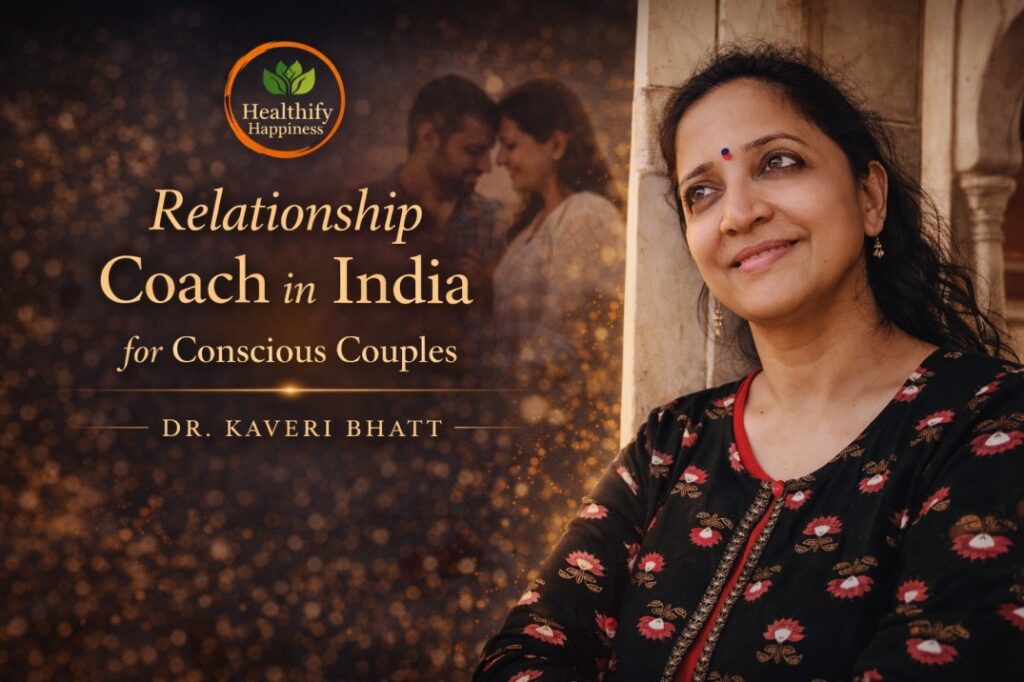
Dr. Kaveri Bhatt brings a unique blend of engineering logic and holistic healing training. With decades of experience in the corporate world and deep certification in multiple healing modalities, she understands both structure and sensitivity.
Her approach reflects techno spiritual integration. She combines subconscious exploration, emotional coaching, and practical life tools. This balance allows couples to feel supported intellectually and emotionally.
As a Relationship Coach in India, she does not position herself as a rescuer. Instead, she guides couples toward self understanding and shared responsibility. Her sessions feel calm, structured, and deeply respectful. Dr. Kaveri Bhatt’s work aligns with trauma informed principles. She prioritizes emotional safety and consent. Each session moves at a pace that honors both partners. Couples often describe feeling heard for the first time in years. That experience builds trust not only in the coach, but also in the relationship itself.
Techno Spiritual Healing Approach
Her techno spiritual healing approach integrates structured cognitive tools with subtle awareness practices. Couples explore beliefs and nervous system responses while also connecting to deeper emotional insight. This method avoids extremes. It neither dismisses science nor over romanticizes spirituality. Instead, it uses both thoughtfully.
Engineering precision supports emotional clarity. Spiritual awareness supports compassion. Together, they create grounded transformation. Couples learn to think clearly and feel safely at the same time.
Subconscious Release and Trauma Informed Support
Subconscious release work focuses on identifying emotional imprints that influence reactions. Rather than analyzing endlessly, sessions gently uncover root experiences. Trauma informed support ensures that exploration feels safe. Dr. Kaveri Bhatt remains attentive to emotional cues and pacing. Consent guides every step.
Couples often experience relief when they understand the origin of their triggers. Instead of feeling defective, they feel human. Gradual integration allows emotional memories to lose intensity. That shift makes present interactions calmer.
Practical Emotional Tools for Everyday Life
Practical tools form the bridge between insight and behavior. Couples practice structured dialogues during sessions. They learn how to pause before reacting. Boundary clarity becomes a shared language. Emotional literacy expands as partners accurately name feelings rather than criticize behavior.
Dr. Kaveri Bhatt also encourages simple rituals of connection. Regular gratitude sharing and reflective check ins rebuild warmth. Over time, these practices become natural. Communication feels steady rather than strained.
Integrating Healing into Real World Relationships
Life rarely pauses for healing. Couples manage careers, children, and extended family responsibilities. Therefore, integration remains central. Sessions address real scenarios such as workplace stress or parenting disagreements. Partners learn to apply tools under pressure.
Healing becomes visible in daily interactions. Arguments shorten, understanding deepens, and silence feels less heavy. Sustainable change matters more than dramatic breakthroughs. Integration ensures that growth continues long after sessions conclude.
Success Story: From Emotional Distance to Conscious Partnership
Anita and Rohan, names changed for privacy, approached Dr. Kaveri Bhatt after years of subtle disconnection. They respected each other deeply, yet intimacy had faded. Conversations revolved around logistics rather than feelings.
Initially, both felt defensive. Anita believed Rohan avoided vulnerability. Rohan felt constantly judged. Sessions focused first on slowing down reactions. Through subconscious exploration, Rohan recognized that criticism triggered childhood memories of strict expectations. Anita realized her insistence on clarity came from fear of abandonment. This awareness softened both partners.
They began practicing structured check ins weekly. Instead of debating who was right, they expressed emotional needs directly. Over several months, trust rebuilt gradually. Neither described their journey as dramatic. Instead, they spoke about steadiness returning. Today, they describe their relationship as conscious rather than automatic. Their story reflects a simple truth. Awareness combined with consistent practice transforms distance into partnership.
What Couples Say About Their Journey
Meera S (Mumbai) shares that she initially felt skeptical. However, she soon felt safe expressing emotions she had hidden for years. She says sessions helped her understand her triggers without shame.
Arjun P (Bengaluru) explains that the structured approach felt comforting. He appreciated the balance between emotional depth and practical tools. He noticed changes in daily communication within weeks.
Nidhi and Karan (Delhi) mention that they feared judgment. Instead, they experienced calm guidance. They now describe their conversations as respectful and honest.
Each story highlights grounded progress rather than exaggerated transformation. Couples value the clarity and emotional maturity they gain.
Questions Couples Often Ask in Online Forums
Question: Does coaching work if only one partner feels concerned?
Answer: In many cases, initial awareness from one partner inspires curiosity in the other. Change often begins with willingness rather than perfection.
Question: Will we be blamed during sessions?
Answer: Trauma informed coaching emphasizes shared responsibility. The process focuses on patterns, not personal attacks. Couples frequently express relief after their first session.
Frequently Asked Questions
How long does the process usually take?
The answer depends on emotional readiness and consistency. Some notice shifts within weeks, while deeper integration may take several months.
Does coaching replace therapy?
Coaching complements therapy but does not replace clinical treatment when required. It focuses on growth, awareness, and communication skills.
Are sessions confidential?
Sessions remain confidential and respectful. Emotional safety remains a foundational principle for any trusted Relationship Coach in India.
Must past trauma be discussed in detail?
Exploration occurs only when relevant and always at a comfortable pace. No one is pressured to disclose more than they wish.
Does conscious growth remove all conflict?
Conflict still appears, yet couples handle it with maturity and clarity. The goal is not perfection, but conscious response.
Choosing Clarity Over Silence, A Gentle Conclusion
Seeking a Relationship Coach in India does not mean your relationship has failed. It means you value it enough to nurture it consciously. That choice reflects strength, not weakness.
Dr. Kaveri Bhatt offers grounded guidance for couples ready to move from confusion toward clarity. Her balanced approach honors emotional depth while encouraging practical action. When awareness replaces blame, connection naturally strengthens. Over time, trust feels steady rather than fragile.
You deserve a relationship that feels safe, conscious, and evolving. Choosing clarity over silence may be the most compassionate step you take together.
Start your journey to conscious partnership today.