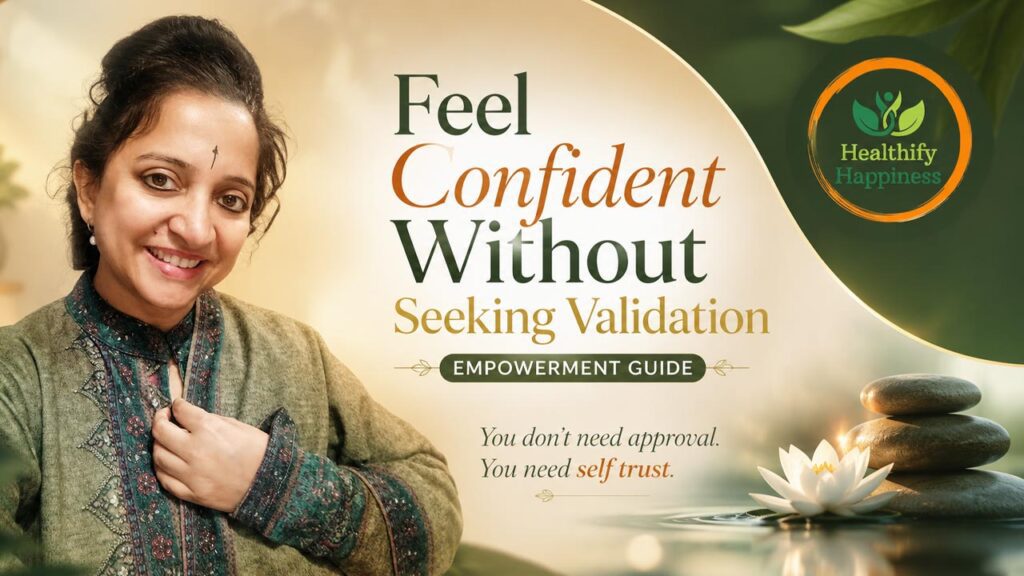
Have you ever wondered why one compliment lifts your mood while one criticism can ruin your entire day? Many people silently experience this emotional cycle without realizing how deeply it affects their confidence. Learning to feel confident without seeking validation is not about becoming indifferent. It is about creating emotional stability that remains steady regardless of outside opinions.
In my practice, I often meet people who appear successful, caring, and capable. Yet they constantly question themselves before making even simple decisions. Their confidence depends on praise, approval, or reassurance from others. Over time, this pattern becomes emotionally exhausting.
Dr. Kaveri Bhatt believes genuine confidence develops from understanding your emotional patterns rather than forcing yourself to appear strong. Healing begins when you stop measuring your worth through someone else’s reactions and start recognizing your own inner value.
This guide explores how validation seeking develops, why it quietly weakens self-belief, and practical ways to replace it with lasting emotional confidence. Every step is designed to help you reconnect with yourself gently and realistically.
Why We Depend on Validation
Seeking appreciation is completely human. Healthy relationships naturally involve encouragement, affection, and recognition. Problems begin when outside approval becomes the only source of emotional security.
Many adults learned early that love was connected to achievement, obedience, or perfection. They received praise only after performing well or avoiding mistakes. As children, they adapted because they wanted acceptance and safety.
Years later, those early emotional lessons often continue silently. A delayed reply creates anxiety. A disagreement feels like rejection. Constructive feedback suddenly sounds like personal failure instead of useful guidance.
This emotional pattern is rarely about weakness. It usually reflects an old survival strategy that no longer serves your present life. Recognizing that difference is often the first step toward emotional freedom.
The Hidden Cost of Constant Approval
Depending on validation may appear harmless at first. Many people believe they are simply thoughtful or considerate. In reality, excessive approval seeking slowly reduces self-trust and increases emotional dependence.
You may hesitate before expressing opinions because you fear disappointing someone. Decisions become difficult because every option requires reassurance. Eventually, your own voice becomes quieter than everyone else’s expectations.
I often see clients who describe feeling emotionally tired despite accomplishing many goals. Their achievements bring temporary satisfaction, yet the relief disappears quickly because another source of approval is needed.
This cycle also affects relationships. Instead of connecting authentically, people begin adjusting their personalities to avoid criticism. Over time, emotional authenticity is replaced by constant performance.
Common emotional signs of validation dependence
- Feeling anxious when someone disagrees with you.
- Overthinking conversations long after they end.
- Apologizing excessively even without mistakes.
- Difficulty making independent decisions.
- Comparing yourself with others throughout the day.
- Feeling emotionally empty when praise is absent.
These patterns often develop gradually. Many people live with them for years without recognizing how much emotional energy they consume.
Building Inner Confidence
Confidence does not appear overnight. It grows through repeated experiences of trusting yourself even when certainty feels uncomfortable. Every small decision made independently strengthens emotional resilience.
Start by noticing moments when you automatically seek reassurance. Pause before asking someone else what they think. Instead, ask yourself what feels aligned with your values and emotional wellbeing.
In therapy, I frequently encourage clients to separate facts from emotional assumptions. Someone declining an invitation does not automatically mean they dislike you. A quiet colleague is not necessarily judging you. Your mind may be filling emotional gaps with old fears.
Practice self-validation every day
Self-validation means acknowledging your emotions without waiting for someone else to confirm they are acceptable. This skill reduces emotional dependence while increasing self-respect.
- Notice your feelings without criticizing yourself.
- Celebrate progress instead of demanding perfection.
- Keep promises you make to yourself.
- Respect personal boundaries without guilt.
- Accept mistakes as opportunities for growth.
As these habits become consistent, emotional confidence develops naturally. You begin trusting your judgment because you repeatedly experience yourself handling challenges with honesty and compassion.
Learning to feel confident without seeking validation is not about ignoring others. Healthy feedback remains valuable. The difference is that feedback becomes information rather than the foundation of your identity.
A Real Healing Journey
One client, Meera from Indore, came to me after years of feeling emotionally dependent on other people’s opinions. She constantly questioned every decision and felt disappointed whenever her efforts went unnoticed. Even small situations left her doubting her worth.
During our sessions, we explored the childhood experiences that shaped her need for constant approval. She slowly realized that her confidence had always depended on meeting other people’s expectations instead of listening to her own values.
We combined emotional awareness exercises, subconscious belief work, guided reflection, and practical boundary-building techniques. Rather than chasing perfection, she learned to acknowledge her feelings with compassion and make decisions based on inner clarity.
Six months later, Meera described something she had never experienced before. She no longer needed immediate reassurance after every conversation. Her confidence came from trusting herself, and that shift positively influenced both her relationships and her career.
How Dr Kaveri Bhatt Helps
Healing emotional dependence requires more than motivational advice. It involves understanding how past experiences continue influencing present emotional reactions. My approach combines trauma-informed psychology with practical emotional regulation and mindful self-awareness.
I help clients identify subconscious beliefs that quietly shape self-worth. Once those patterns become visible, we work toward replacing them with healthier emotional responses that feel authentic instead of forced.
This techno-spiritual healing approach integrates guided subconscious release practices, emotional reframing, nervous system regulation, reflective journaling, and practical relationship tools. The goal is not perfection but emotional balance that remains steady through life’s uncertainties.
Many people also benefit from learning how fear quietly controls everyday decisions. You can explore this further in this guide on becoming fearless with emotional awareness.
If emotional exhaustion has become part of your daily life, I also recommend reading this recovery guide for emotional fatigue. It explains practical ways to restore emotional energy while rebuilding self-trust.
What People Share
Neha Sharma, Pune
“For years I believed confidence came from praise. Therapy helped me understand that my self-worth already existed. Today I speak openly without fearing everyone’s judgment.”
Rohit Meena, Jaipur
“I constantly compared myself with friends and colleagues. Learning emotional awareness changed my thinking. My decisions now feel calmer because they come from personal values instead of approval.”
Sana Joseph, Kochi
“The biggest change was trusting my own voice. I still appreciate encouragement, but it no longer decides whether I believe in myself.”
Forum Style Questions
Can someone become confident after years of seeking validation?
Yes. Emotional habits can change with awareness and consistent practice. Confidence develops gradually as you strengthen self-trust through repeated healthy choices rather than depending on outside approval.
Will people think I have changed if I stop pleasing everyone?
Some people may notice healthier boundaries. Those who value genuine relationships usually respect emotional honesty. The goal is not to reject others but to stop abandoning yourself to gain acceptance.
Why do I always need reassurance from other people?
Repeated reassurance often develops when emotional safety depended on approval earlier in life. Building self-awareness, healthier beliefs, and emotional regulation gradually reduces this dependence while strengthening personal confidence.
Can confidence grow without becoming arrogant?
Absolutely. Genuine confidence is calm and respectful. It allows you to appreciate your strengths while remaining open to learning, feedback, and meaningful relationships with others.
How long does it take to stop seeking validation?
Every healing journey is unique. Progress depends on emotional history, current circumstances, and consistent practice. Most people notice meaningful improvements by developing small daily habits of self-validation.
Can therapy help improve self-worth?
Yes. Trauma-informed therapy helps uncover emotional patterns, challenge limiting beliefs, and build healthier coping strategies that create lasting confidence instead of temporary reassurance.
What is the first step toward lasting emotional confidence?
Begin by noticing when you automatically seek approval before trusting yourself. That simple awareness creates space for healthier decisions rooted in personal values rather than fear of rejection.
Conclusion
True confidence is not built through endless praise or constant reassurance. It grows when you consistently choose self-awareness, emotional honesty, and self-respect. As your relationship with yourself becomes stronger, outside opinions naturally lose their power over your emotional wellbeing. The journey may take time, but every small step toward trusting yourself creates a more peaceful, grounded, and fulfilling life.
Take the first step towards healing today.

“`