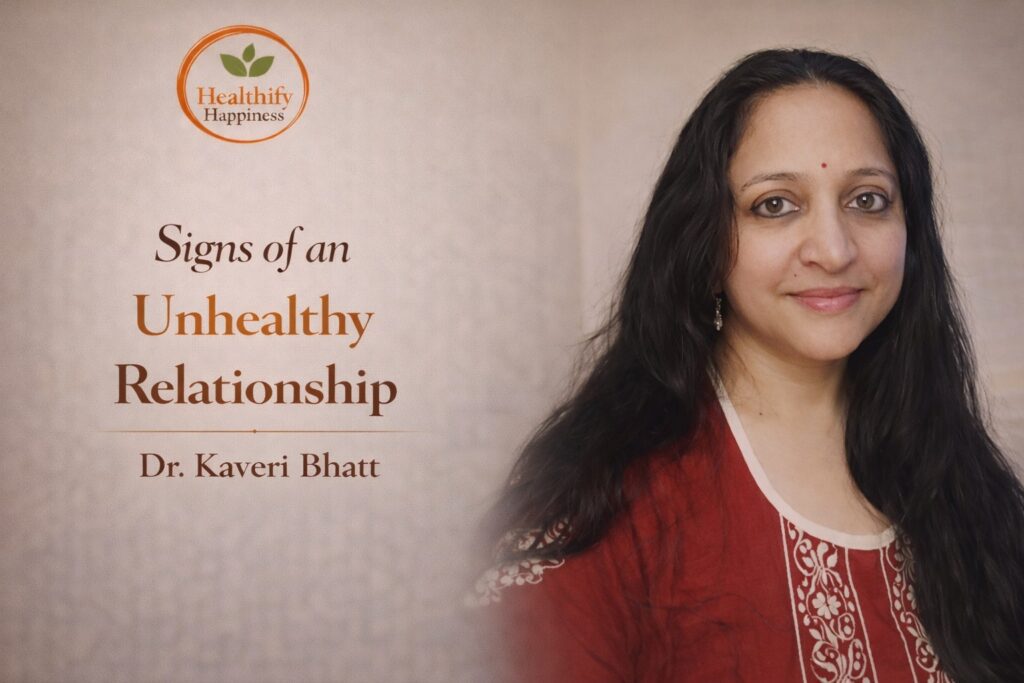
Many people begin searching for Signs of an Unhealthy Relationship when something inside them stops feeling peaceful.
From the outside, the relationship may still appear stable. Conversations happen, routines continue, and daily life moves forward. Yet emotionally, something begins to feel unsettled.
Often this discomfort appears slowly. You may notice small moments of tension, confusion, or emotional distance. Still, it becomes difficult to explain exactly what feels wrong.
Over time, this quiet uneasiness grows stronger. When emotional safety fades and communication starts feeling heavy, it becomes important to pause and understand what your relationship might be showing you.
In this Guide:
- 🔹 Understanding Why Relationship Confusion Happens
- 🔹 Early Emotional Shifts That Often Go Unnoticed
- 🔹 Behavioral Patterns That Signal Deeper Relationship Problems
- 🔹 Why People Stay in Emotionally Unhealthy Relationships
- 🔹 Success Story
- 🔹 User Reviews
- 🔹 Forum Questions
- 🔹 How Dr Kaveri Bhatt Helps
- 🔹 Rebuilding Emotional Awareness and Personal Boundaries
- 🔹 Frequently Asked Questions
- 🔹 Conclusion
Understanding Why Relationship Confusion Happens
Relationship confusion rarely appears without reason. However, many people struggle to recognize unhealthy dynamics because emotional attachment can blur clarity.
When someone invests time, trust, and shared experiences into a relationship, the mind naturally protects that bond. As a result, people often overlook behaviors that quietly harm emotional wellbeing.
In many cases, individuals believe challenges are simply normal relationship struggles. They may assume every couple faces the same emotional tension or communication problems.
Additionally, hope plays a powerful role. People often believe their partner will eventually understand their feelings or change certain behaviors.
This mixture of emotional attachment, hope, and shared history can make it difficult to clearly see Signs of an Unhealthy Relationship until emotional exhaustion begins to appear.
Early Emotional Shifts That Often Go Unnoticed
Many unhealthy relationship patterns begin quietly. Instead of dramatic conflict, small emotional shifts slowly change the way partners interact with each other.
These early signs often appear internally first. A person may start feeling uneasy, uncertain, or emotionally drained without fully understanding why.
Recognizing these emotional signals early can help individuals reconnect with their intuition and protect their emotional wellbeing.
Constant Self Doubt Inside the Relationship
One of the earliest experiences many people notice is growing self doubt.
You may begin questioning your reactions, emotions, or expectations. Situations that once felt simple suddenly create internal confusion.
Over time, you might start wondering if your feelings are unreasonable or overly sensitive.
When communication consistently leaves a person doubting their own emotional experience, it can quietly reflect deeper Signs of an Unhealthy Relationship.
Emotional Distance Despite Being Together
Emotional connection requires presence, empathy, and openness. However, sometimes couples continue sharing space while emotional closeness fades.
You may still spend time together, yet conversations feel surface level. Important feelings remain unspoken or dismissed.
Gradually, the relationship may start feeling lonely even when both partners remain physically present.
This emotional distance can become one of the most overlooked Signs of an Unhealthy Relationship, especially when routines continue normally.
Communication That Leaves You Feeling Smaller
Healthy communication encourages mutual respect and emotional safety.
However, in some relationships, conversations begin leaving one partner feeling dismissed, criticized, or misunderstood.
Sarcasm, constant correction, or subtle invalidation can slowly weaken emotional confidence.
When repeated conversations leave someone feeling small or unheard, it may signal deeper Signs of an Unhealthy Relationship developing beneath the surface.
Behavioral Patterns That Signal Deeper Relationship Problems
While emotional signals appear internally, certain behaviors eventually become visible in daily interactions.
These patterns often repeat over time. Recognizing them can help people understand whether their relationship environment remains emotionally supportive or increasingly unhealthy.
Controlling or Manipulative Behavior
Control does not always appear as obvious restriction. Sometimes it shows through emotional pressure, guilt, or subtle influence over personal decisions.
A partner may question friendships, criticize personal choices, or expect constant reassurance.
Over time, these behaviors can slowly limit emotional independence.
Healthy relationships respect personal freedom, while manipulative patterns gradually weaken individual autonomy.
Lack of Emotional Support During Difficult Moments
Every relationship encounters challenges. However, emotionally supportive partners remain present during stressful or vulnerable moments.
In unhealthy dynamics, a person may feel alone when facing personal struggles.
Instead of empathy, responses may feel dismissive, impatient, or emotionally distant.
When emotional support disappears during difficult situations, it often reveals deeper relationship imbalance.
Repeated Blame and Responsibility Shifting
Healthy relationships involve shared accountability. Both partners acknowledge mistakes and work toward solutions together.
In unhealthy dynamics, one person may repeatedly shift responsibility away from themselves.
Arguments may end with one partner feeling entirely responsible for problems that involve both individuals.
Over time, this pattern can create emotional exhaustion and confusion about what truly happens inside the relationship.
Why People Stay in Emotionally Unhealthy Relationships
Leaving an unhealthy relationship is rarely a simple decision. Emotional attachment creates complex internal conflicts that many people struggle to navigate.
Fear of Losing the Relationship
Fear often plays a powerful role. People worry about loneliness, social judgment, or losing someone who once felt deeply important.
Because of this fear, individuals may minimize emotional discomfort or convince themselves that things will eventually improve.
This fear can keep people connected to relationships that quietly damage their emotional wellbeing.
Emotional Attachment and Hope for Change
Many individuals remember the early moments of love, connection, and emotional closeness.
Those memories can create hope that the relationship will return to that earlier state.
Hope itself is not harmful. However, when hope replaces honest awareness, it may delay important emotional decisions.
Difficulty Recognizing Toxic Patterns
Without emotional education, people often normalize unhealthy behaviors.
Some individuals grow up witnessing similar relationship patterns in their families or communities.
Because of this, certain behaviors may feel familiar rather than concerning.
Awareness grows gradually. Once people learn to recognize emotional safety and respect, they begin identifying patterns they previously ignored.
Success Story
Ananya lived in Pune and had been in a relationship for nearly five years. During the early years, the connection felt warm and supportive.
Over time, however, she began feeling emotionally confused. Small disagreements often turned into conversations where she ended up apologizing, even when she did not understand what she had done wrong.
Gradually, Ananya started questioning her own reactions. She wondered if she was simply too sensitive.
One evening, after a long conversation with a close friend, she realized something important. The relationship had slowly shifted from mutual understanding to constant emotional tension.
With guidance and emotional reflection, she began rebuilding her self trust.
Instead of rushing decisions, she focused on understanding her emotional needs and personal boundaries.
Months later, Ananya described the experience as a turning point. Recognizing Signs of an Unhealthy Relationship allowed her to reconnect with her emotional clarity and self respect.
Three User Reviews
Ritika Sharma, Chandigarh
Reading about emotional patterns helped me understand my own relationship experience. I realized I had ignored many early signs because I believed every couple struggled the same way.
Sameer Deshpande, Nagpur
This article helped me reflect on how communication affects emotional safety. I noticed that small patterns can slowly create distance between partners if they remain unaddressed.
Farah Khan, Hyderabad
The explanations felt gentle and realistic. Instead of blaming anyone, it helped me understand how emotional awareness can improve both personal wellbeing and relationship choices.
Two Forum Style Relationship Questions
Q1: How can someone know if they are overthinking relationship problems?
Many people worry they may be overreacting. However, emotional discomfort usually signals something meaningful. When certain patterns repeatedly create confusion, sadness, or emotional exhaustion, those feelings deserve attention. Reflecting calmly on communication patterns and emotional safety can help bring clarity.
Q2: Can unhealthy relationships become healthy again?
In some cases, relationships can improve when both partners genuinely acknowledge harmful patterns and commit to change. Honest communication, emotional accountability, and professional guidance can support healing. However, meaningful change requires effort from both individuals.
How Dr Kaveri Bhatt Helps
Dr. Kaveri Bhatt works with individuals who feel emotionally overwhelmed inside their relationships but struggle to understand why.
Her approach combines emotional psychology with techno spiritual healing techniques that focus on subconscious patterns influencing relationship behavior.
Through guided awareness, clients explore emotional triggers, past experiences, and subconscious beliefs that shape how they experience love and connection.
Dr Bhatt also integrates trauma informed methods that help individuals safely release emotional patterns stored within the subconscious mind.
These techniques often include inner reflection practices, emotional awareness exercises, and practical boundary building tools.
Instead of focusing only on relationship problems, her work supports deeper emotional clarity.
Clients learn how to recognize their emotional needs, communicate with confidence, and build relationships that respect both partners wellbeing.
Many individuals begin their healing journey after understanding how anxiety patterns influence relationship behavior, which is explored in this guide about moving from anxiety to emotional strength.
Others discover that learning how to build deeper emotional connection can transform communication patterns and restore emotional balance between partners.
Rebuilding Emotional Awareness and Personal Boundaries
Once individuals begin recognizing unhealthy relationship patterns, emotional awareness becomes an important next step.
This process often begins by reconnecting with personal feelings and trusting emotional intuition again.
Healthy boundaries also play a crucial role in emotional wellbeing. Boundaries are not about controlling others. Instead, they help individuals protect their emotional balance.
Practicing calm communication, expressing personal needs, and observing how a partner responds can reveal important relationship dynamics.
Over time, individuals who rebuild emotional awareness develop stronger confidence in their decisions.
They begin choosing relationships that nurture emotional safety, respect, and genuine connection.
Five Frequently Asked Questions
What are the most common Signs of an Unhealthy Relationship?
Common signs include emotional manipulation, constant criticism, lack of trust, repeated blame, and feeling emotionally drained after conversations. These patterns often develop gradually and may initially feel confusing rather than obvious.
Why do people ignore unhealthy relationship patterns?
Emotional attachment, shared history, and hope for change often make it difficult to recognize harmful behaviors. People may also doubt their feelings or believe relationship problems are normal.
Can emotional awareness improve relationship health?
Yes. When individuals become more aware of their emotional needs and communication patterns, they can address problems more clearly and build healthier connections.
Is it possible to heal after leaving an unhealthy relationship?
Healing takes time, but emotional growth often begins once individuals reconnect with their self worth and emotional boundaries.
When should someone seek professional support for relationship issues?
Professional support can help when relationship conflicts create ongoing emotional stress, confusion, or difficulty understanding personal boundaries.
Conclusion
Recognizing Signs of an Unhealthy Relationship often begins with quiet emotional awareness.
When individuals listen carefully to their feelings, they begin noticing patterns that once felt difficult to explain.
This awareness does not always lead to immediate decisions. Instead, it creates space for understanding, reflection, and emotional growth.
Healthy relationships support emotional safety, respect, and honest communication.
By developing deeper emotional awareness, people gain the confidence to choose relationships that truly nurture their wellbeing.
Start your emotional healing journey today and speak directly with Dr Kaveri Bhatt.