Many people reach a moment in their relationship where they quietly question their own behavior. They wonder whether they are showing up with the patience, understanding, and care their partner deserves.
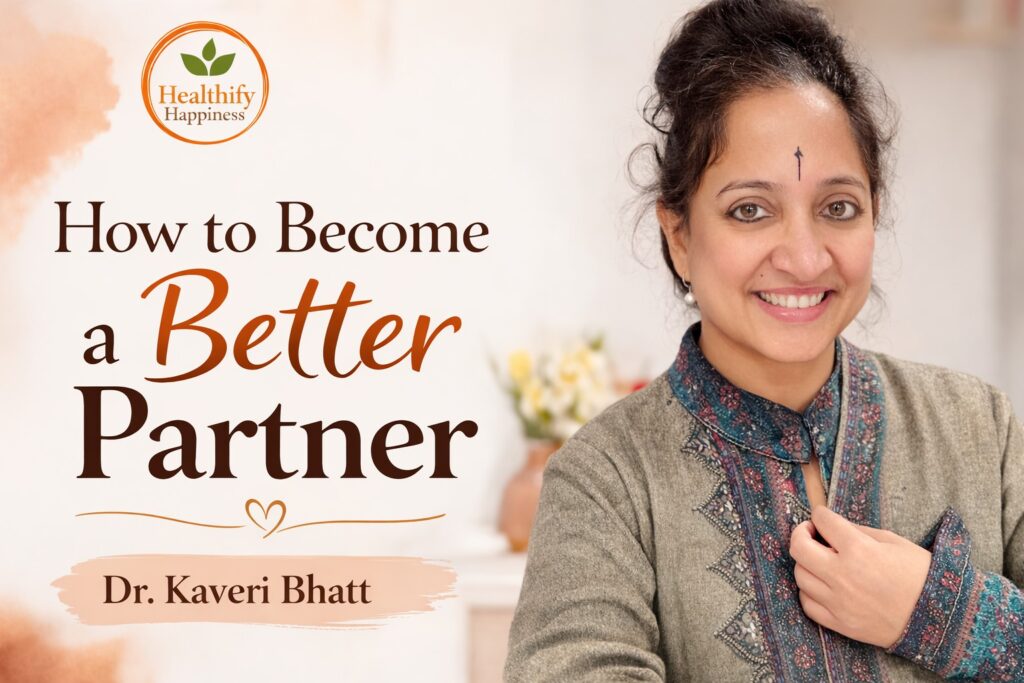
The question of How to Become a Better Partner often appears during emotionally honest moments. It might happen after a misunderstanding, a tense conversation, or a period of growing emotional distance.
At first, this realization can feel uncomfortable. Nobody enjoys examining their own reactions, especially when emotions run high. However, this awareness often signals the beginning of real relationship growth.
Healthy relationships rarely improve through blame or control. Instead, meaningful change begins when one person becomes curious about their own patterns, communication habits, and emotional responses.
In this Guide:
- 🔹 Understanding Why We Sometimes Struggle in Relationships
- 🔹 The First Step Toward Becoming a Better Partner
- 🔹 Communication Habits That Strengthen Relationships
- 🔹 Building Emotional Safety With Your Partner
- 🔹 Small Daily Habits That Improve Relationships
- 🔹 Success Story
- 🔹 How Dr Kaveri Bhatt Helps
- 🔹 User Experiences
- 🔹 Community Questions
- 🔹 Frequently Asked Questions
- 🔹 Conclusion
Learning How to Become a Better Partner does not require perfection. It requires emotional awareness, accountability, and a willingness to grow with your partner over time.
Understanding Why We Sometimes Struggle in Relationships
The Hidden Patterns That Shape Our Behavior
Most people enter relationships believing love alone will guide their behavior. In reality, our relationship habits often come from deeper emotional patterns developed over many years.
For example, someone who grew up around frequent criticism may become defensive during disagreements. Another person raised in emotionally distant environments may struggle to express affection openly.
These responses rarely happen consciously. Instead, they appear automatically when emotions feel intense or uncertain.
Recognizing these hidden patterns is an important step in learning How to Become a Better Partner. Once you notice your reactions, you can begin choosing healthier responses.
Emotional Triggers That Appear in Close Relationships
Romantic relationships activate emotional triggers more strongly than most other connections. This happens because partners see parts of us that few others experience.
Small situations can suddenly feel much larger. A delayed message may trigger feelings of rejection. A disagreement might awaken old fears of being misunderstood.
These reactions often reveal emotional memories that still influence present behavior.
When people understand this dynamic, they stop viewing emotional triggers as personal failures. Instead, they treat them as opportunities for awareness and healing.
Recognizing emotional triggers helps people understand How to Become a Better Partner by responding with awareness rather than impulse.
The First Step Toward Becoming a Better Partner
Developing Self Awareness in Relationships
Self awareness plays a central role in relationship growth. It allows individuals to observe their own emotions without immediately reacting to them.
For example, you might notice irritation rising during a discussion. Instead of responding instantly, awareness gives you space to pause and reflect.
This small pause can prevent many unnecessary conflicts. It also allows you to respond thoughtfully instead of emotionally.
Developing self awareness helps people understand how their tone, body language, and timing affect their partner’s feelings.
Over time, this awareness builds emotional maturity and strengthens the partnership.
Taking Emotional Responsibility Instead of Blame
Conflicts often escalate when both partners focus on proving who is right. However, healthy relationships grow when individuals take responsibility for their emotional reactions.
Emotional responsibility does not mean accepting blame for everything. Instead, it means acknowledging how your words, tone, or reactions may influence the situation.
For instance, someone might realize their frustration created defensiveness in their partner. That awareness creates space for repair instead of continued argument.
Taking emotional responsibility helps partners feel respected and heard.
Gradually, this shift transforms the tone of conversations and strengthens mutual trust.
Communication Habits That Strengthen Relationships
Listening Beyond Words
Listening may appear simple, yet many misunderstandings begin because partners listen only to respond rather than understand.
True listening requires emotional presence. It involves paying attention to tone, pauses, and the feelings behind the words.
When someone feels genuinely heard, their defensive walls often soften. This creates space for honest conversation.
Practicing attentive listening helps people understand their partner’s emotional needs more clearly.
Over time, this habit builds deeper empathy and connection within the relationship.
Expressing Feelings Without Creating Conflict
Many arguments begin not because of what someone says but how they say it.
Expressing feelings calmly allows conversations to remain constructive instead of escalating into conflict.
For example, saying “I felt hurt when that happened” creates openness. In contrast, accusations such as “You always ignore me” often create defensiveness.
Healthy communication focuses on personal feelings rather than attacking character.
This approach helps both partners stay emotionally safe while discussing sensitive topics.
Building Emotional Safety With Your Partner
Creating Trust Through Consistency
Trust rarely develops through promises alone. Instead, it grows through consistent actions over time.
Simple behaviors such as keeping commitments, being emotionally available, and following through on words gradually strengthen trust.
Consistency helps partners feel secure because they know what to expect emotionally.
This sense of reliability creates a stable foundation for the relationship.
Over time, trust allows both individuals to express themselves honestly without fear of rejection.
Supporting Your Partner Without Losing Yourself
Supporting a partner emotionally does not mean abandoning your own needs or identity.
Healthy relationships thrive when both individuals maintain a sense of personal balance.
For example, offering empathy during difficult moments helps partners feel valued. However, maintaining personal boundaries ensures emotional stability for both people.
Balanced support prevents resentment from developing over time.
When both partners respect their own needs while supporting each other, the relationship becomes stronger and more sustainable.
Small Daily Habits That Improve Relationships
Practicing Appreciation and Gratitude
Many long term relationships slowly lose the habit of appreciation. Over time, partners may begin taking everyday efforts for granted.
Expressing gratitude regularly helps restore emotional warmth in the relationship.
Simple acknowledgments such as thanking your partner for small gestures can create positive emotional momentum.
Appreciation reminds both partners that their efforts matter.
These small daily expressions of gratitude strengthen connection more than grand gestures.
Repairing Conflict in a Healthy Way
Disagreements appear in every relationship. What matters most is how partners repair the emotional connection afterward.
Healthy repair conversations involve acknowledging hurt feelings and expressing a genuine desire to understand each other.
Instead of revisiting old arguments, the focus shifts toward restoring emotional safety.
Apologizing sincerely, clarifying intentions, and listening openly can transform conflict into growth.
Over time, these repair habits build resilience within the relationship.
Success Story
A couple from Pune once approached relationship guidance after years of repeated arguments that seemed impossible to resolve.
Rohan often felt his partner Meera misunderstood his intentions. Meanwhile, Meera believed Rohan rarely listened to her emotional concerns.
Their conversations frequently ended in frustration. Each person felt unheard and emotionally exhausted.
During guided reflection, both partners began recognizing their communication patterns. Rohan noticed that he often tried solving problems quickly instead of listening fully. Meera realized that her frustration sometimes appeared as criticism.
With gradual practice, they started changing small habits. Rohan focused on listening patiently without interrupting. Meera began expressing her feelings calmly instead of raising her voice.
Within a few months, their conversations became noticeably calmer. They learned to pause during emotional moments and return to discussions with patience.
Their relationship improved not because one person changed everything. Instead, both partners developed awareness and emotional responsibility.
This transformation showed them that growth becomes possible when people commit to understanding themselves and each other.
How Dr Kaveri Bhatt Helps
Many relationship challenges arise from emotional patterns that operate beneath conscious awareness. These patterns often influence communication, reactions, and expectations within relationships.
Dr. Kaveri Bhatt helps individuals explore these deeper layers through a combination of emotional awareness practices and techno spiritual healing methods.
Her approach integrates trauma informed principles with subconscious release techniques. These methods help individuals understand how past experiences shape present relationship behaviors.
Sessions often include guided reflection, emotional regulation practices, and practical tools for healthier communication. People who wish to understand deeper relationship patterns can also explore insights through a real relationship healing case study that highlights how emotional awareness changes relationship dynamics.
Rather than offering quick solutions, the focus remains on helping individuals build emotional stability and self understanding. Practical relationship tools are also shared through guidance on ways to improve marriage communication so couples can strengthen everyday interactions.
Over time, this process supports lasting relationship transformation because individuals learn to respond from awareness rather than emotional triggers.
User Experiences
User Review
Anita Sharma, Chandigarh
I realized that many of my relationship reactions came from insecurity rather than the present moment. Learning emotional awareness helped me communicate more calmly with my partner. Our conversations feel much more respectful now.
User Review
Rahul Bansal, Indore
Before understanding relationship patterns, I often reacted defensively during disagreements. Through guided reflection, I learned how my tone affected conversations. This awareness improved both our communication and emotional connection.
User Review
Priya Menon, Kochi
I used to believe relationship problems meant something was fundamentally wrong between partners. Now I understand how emotional triggers influence reactions. My partner and I communicate with far more patience today.
Community Questions
Forum Q&A
Question: Is it possible to become a better partner even if my partner does not change?
Answer: Yes, personal growth often influences relationship dynamics. When one person develops healthier communication and emotional awareness, the overall interaction pattern can gradually shift. While both partners ideally grow together, meaningful change often begins with one individual choosing a different response.
Forum Q&A
Question: How long does it take to improve relationship behavior?
Answer: Relationship growth rarely follows a fixed timeline. Some improvements appear quickly when communication habits change. However, deeper emotional patterns may take longer to understand and transform. Consistent awareness and patience usually produce steady progress.
Frequently Asked Questions
Can someone really learn How to Become a Better Partner later in life?
Yes, emotional growth remains possible at any stage of life. People continuously develop new awareness about their reactions, communication habits, and relationship expectations. With conscious effort, individuals can adopt healthier behaviors that strengthen emotional connection.
What is the most important step in How to Become a Better Partner?
Self awareness often serves as the most important foundation. When individuals understand their emotional reactions and communication patterns, they gain the ability to respond thoughtfully instead of reacting impulsively.
Do healthy relationships avoid conflict completely?
No relationship remains free from disagreement. Conflict often appears when two individuals have different perspectives or needs. Healthy partnerships focus on respectful communication and emotional repair rather than avoiding disagreements entirely.
How can someone improve communication in a relationship?
Communication improves when partners listen attentively, express feelings calmly, and avoid accusatory language. These habits create emotional safety and encourage open dialogue.
Can emotional healing improve relationship quality?
Yes, unresolved emotional experiences often influence relationship behavior. When individuals work through these emotional patterns, they usually respond with greater patience, empathy, and understanding.
Conclusion
Relationships rarely improve through sudden dramatic changes. Instead, growth often begins with small moments of awareness.
When individuals begin questioning their own reactions, they open the door to meaningful personal growth.
Learning How to Become a Better Partner involves developing emotional responsibility, communication skills, and empathy toward both yourself and your partner.
This process requires patience and honesty. However, each step toward awareness strengthens the emotional foundation of the relationship.
Over time, these small shifts create a partnership built on understanding, respect, and mutual growth.
Start your emotional healing journey today with compassionate guidance.