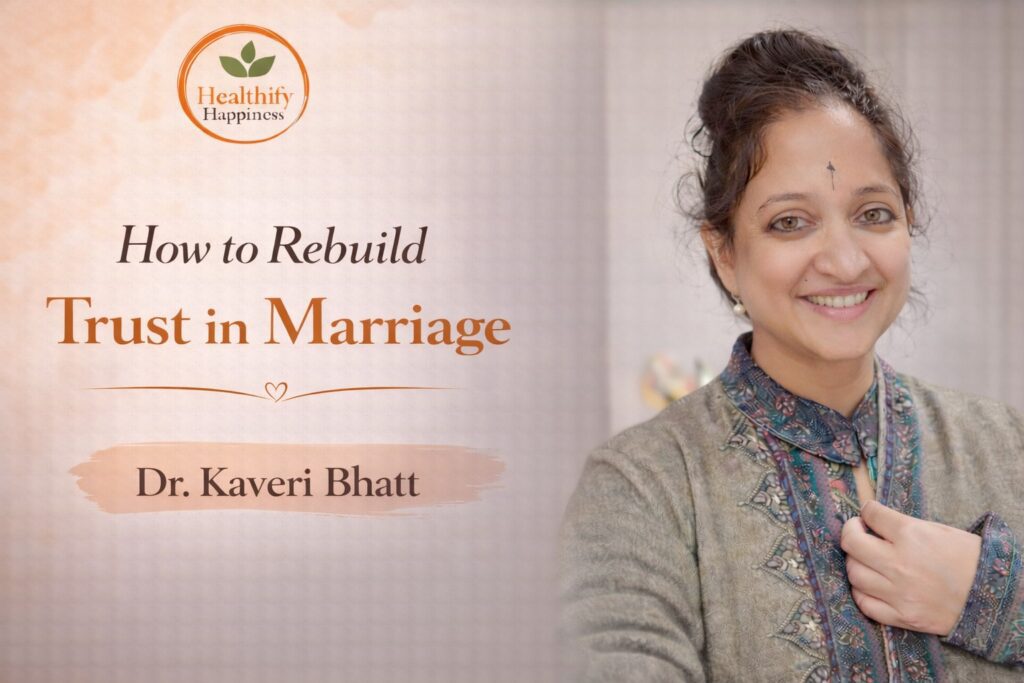
Trust rarely collapses in a single moment. In many marriages, the shift happens quietly. Conversations become cautious, emotions stay guarded, and a subtle distance begins to grow between partners.
When couples start searching for how to rebuild trust in marriage, they usually carry a mixture of hope and fear. One part of them still believes the relationship can heal. Another part feels uncertain about whether emotional safety can return.
Many partners expect time alone to repair trust. Unfortunately, unresolved hurt often stays beneath the surface. Without conscious effort, emotional wounds may deepen rather than heal.
However, rebuilding trust is possible. With patience, honest reflection, and supportive emotional tools, couples can slowly restore connection and create a stronger foundation for their relationship.
In this Guide:
- 🔹 Understanding What Breaks Trust in Marriage
- 🔹 Signs That Trust in a Marriage Has Been Broken
- 🔹 Why Rebuilding Trust Takes Time
- 🔹 Practical Steps on How to Rebuild Trust in Marriage
- 🔹 Success Story
- 🔹 The Role of Emotional Healing
- 🔹 How Dr Kaveri Bhatt Helps
- 🔹 User Experiences
- 🔹 Forum Discussion
- 🔹 Frequently Asked Questions
- 🔹 Conclusion
Understanding What Breaks Trust in Marriage
Common Relationship Situations That Damage Trust
Trust in marriage does not break only because of dramatic betrayal. In many relationships, small emotional injuries accumulate over time and slowly weaken the bond between partners.
Repeated broken promises, hidden financial decisions, emotional neglect, or dismissive communication can gradually damage trust. Each moment may appear small on its own, yet the emotional impact builds quietly in the background.
Sometimes couples continue daily life without realizing how deeply these patterns affect their connection. A partner may feel unseen or unheard for years before openly expressing their pain.
Understanding these situations helps couples avoid unnecessary blame. When partners recognize the patterns that damaged trust, they gain the awareness needed to begin repairing the relationship with greater honesty and compassion.
Why Emotional Safety Disappears After Betrayal or Conflict
After trust breaks, the mind naturally becomes protective. Emotional hurt signals the brain that something important has been threatened, so the body responds by increasing alertness during interactions.
Because of this protective response, partners may begin questioning intentions, tone, or behavior more frequently. Even neutral situations can trigger emotional discomfort.
This reaction does not mean someone is overly sensitive. Instead, it reflects the mind’s attempt to prevent further emotional pain.
Rebuilding trust therefore requires restoring emotional safety. When partners feel heard, respected, and emotionally secure again, the nervous system gradually relaxes and trust slowly returns.
Signs That Trust in a Marriage Has Been Broken
Emotional Distance Between Partners
One of the earliest signs of damaged trust is emotional distance. Couples may still share a home and routine, yet their deeper thoughts and feelings remain unspoken.
Partners often limit conversations to practical matters such as work, schedules, or family responsibilities. Vulnerable discussions slowly disappear.
Over time, this distance can create loneliness even within the relationship. Both partners may feel misunderstood, yet neither feels safe enough to express it openly.
Recognizing emotional distance helps couples acknowledge that trust requires attention before the gap grows wider.
Constant Doubt and Defensive Conversations
When trust weakens, conversations may begin with suspicion rather than curiosity. Questions that once felt normal can start sounding like accusations.
In response, the other partner may become defensive. This defensive tone often escalates tension and prevents meaningful dialogue.
These communication cycles leave both individuals feeling frustrated. One partner seeks reassurance while the other feels unfairly judged.
Breaking this pattern requires patience and willingness from both partners to approach conversations with openness rather than defensiveness.
Difficulty Feeling Safe During Communication
Trust allows partners to speak honestly without fear of rejection or criticism. Once trust breaks, that emotional safety often disappears.
Many individuals begin filtering their thoughts carefully during conversations. They avoid sensitive topics because they fear conflict or misunderstanding.
While this protective behavior may reduce arguments temporarily, it also prevents authentic emotional connection.
Rebuilding trust therefore involves creating a communication environment where both partners feel comfortable expressing their feelings honestly.
Why Rebuilding Trust Takes Time
Emotional Wounds Do Not Heal Instantly
Emotional hurt influences how people interpret situations and respond to their partner’s actions. Because of this, rebuilding trust cannot happen overnight.
Even when couples sincerely want to repair the relationship, past experiences may still shape emotional reactions. Doubt may appear unexpectedly during normal conversations.
Healing requires repeated experiences that demonstrate safety and consistency. Over time, these experiences slowly replace the painful memories that damaged trust.
Patience allows this natural healing process to unfold without pressure.
The Role of Accountability and Transparency
Accountability plays an important role in rebuilding trust. When a partner openly acknowledges mistakes and demonstrates genuine responsibility, healing becomes possible.
Transparency also helps restore emotional safety. Honest communication about actions, intentions, and boundaries reduces uncertainty.
These behaviors show commitment to rebuilding the relationship. They reassure the hurt partner that change is not only promised but actively practiced.
Trust gradually strengthens when consistent actions support honest words.
Creating Emotional Safety Again
Emotional safety develops through respectful communication and empathy. When partners listen carefully and acknowledge each other’s feelings, they create an environment where healing can begin.
Simple behaviors often carry deep emotional impact. Making time for meaningful conversations, expressing appreciation, and validating each other’s emotions can rebuild connection.
These small actions may appear ordinary, yet they strengthen the foundation of trust over time.
Gradually, partners begin feeling safe enough to reconnect emotionally.
Practical Steps on How to Rebuild Trust in Marriage
Honest Conversations Without Blame
Open conversations play a central role in understanding how to rebuild trust in marriage. However, these conversations must happen in a supportive emotional environment.
Blame often triggers defensiveness, which prevents genuine understanding. Instead, partners can express their feelings using calm and personal language.
For example, sharing emotional experiences rather than accusations encourages empathy. When partners describe how certain situations affected them emotionally, the conversation becomes more constructive.
This approach allows both individuals to explore the underlying issues while maintaining respect for each other’s perspective.
Consistent Actions That Rebuild Reliability
Trust grows through reliable behavior. When partners consistently follow through on commitments, they gradually restore confidence in the relationship.
These commitments may include everyday responsibilities or emotional promises such as honesty and transparency.
Each fulfilled commitment strengthens the perception of reliability. Over time, these consistent actions begin replacing doubt with reassurance.
Trust rarely returns through grand gestures. Instead, it grows through repeated demonstrations of integrity and dependability.
Learning to Listen Without Defensiveness
Listening with empathy is one of the most healing skills within a relationship. When partners feel genuinely heard, emotional tension often softens naturally.
Defensiveness, however, can interrupt this process. If a partner responds immediately with explanations or arguments, the other person may feel dismissed.
Instead, attentive listening allows emotional experiences to be acknowledged fully. Reflecting on what the partner expressed shows respect and care.
Through this approach, couples gradually rebuild mutual understanding.
Creating Small Moments of Emotional Reconnection
Healing trust does not always require serious discussions. Many couples rediscover connection through simple shared experiences.
Spending intentional time together, sharing daily reflections, or offering supportive gestures can rebuild emotional closeness.
These moments remind partners of the bond they once shared. Positive interactions gradually replace the tension created by past conflicts.
Over time, these experiences help partners rediscover warmth and companionship within the relationship.
Success Story: A Couple Who Rebuilt Trust After Emotional Distance
Neha and Arjun had been married for eight years when they realized their relationship had become emotionally distant. Their busy schedules left little room for meaningful conversations.
Although there was no dramatic betrayal, both partners felt misunderstood. Neha believed her concerns were dismissed, while Arjun felt constant pressure to defend himself during discussions.
Eventually they acknowledged that trust had quietly weakened. Instead of ignoring the situation, they decided to explore ways of rebuilding their emotional connection.
They began scheduling weekly conversations where both partners could express their thoughts without interruption. At first these discussions felt uncomfortable. However, patience helped them gradually understand each other’s emotional experiences.
Over several months, their communication style began changing. Arjun practiced listening without immediately explaining his perspective. Meanwhile, Neha focused on expressing her feelings calmly rather than through criticism.
Small positive experiences slowly rebuilt emotional safety between them.
Today their relationship feels more open and supportive. Their journey demonstrated that learning how to rebuild trust in marriage often begins with patient conversations and consistent emotional effort.
The Role of Emotional Healing in Trust Recovery
Understanding Emotional Triggers
Many conflicts within marriage arise from emotional triggers linked to past experiences. When a situation resembles earlier hurt, the body may react quickly with anxiety or defensiveness.
Recognizing these triggers helps partners respond with awareness instead of impulsive reactions.
For example, a partner who experienced repeated disappointment may become sensitive to broken promises. Understanding this emotional pattern encourages compassion during discussions.
Awareness transforms conflict into an opportunity for deeper understanding.
Releasing Stored Hurt and Resentment
Unresolved resentment can quietly block trust rebuilding. Even when couples want to move forward, suppressed emotions may resurface during disagreements.
Healthy emotional processing allows individuals to acknowledge pain without remaining trapped in it.
This process may involve reflective conversations, journaling, emotional healing practices, or guided support.
When partners gradually release stored hurt, they create space for renewed emotional connection.
How Dr Kaveri Bhatt Helps Couples Heal Trust
Rebuilding trust sometimes requires deeper emotional work than couples can manage alone. Professional guidance can help partners explore hidden patterns that influence their relationship.
Dr. Kaveri Bhatt approaches relationship healing through a techno spiritual framework that integrates emotional awareness with subconscious transformation.
Her sessions focus on identifying emotional triggers stored within the subconscious mind. By addressing these underlying patterns, couples gain clarity about recurring conflicts and emotional reactions.
Dr Kaveri Bhatt also applies trauma informed healing principles that prioritize emotional safety. This approach helps partners express vulnerability without fear of judgment.
Through guided exercises and practical emotional tools, couples learn healthier communication patterns and emotional regulation skills. Many readers also find inspiration in experiences such as a real story of inner healing that reflects how emotional clarity can transform relationships.
Couples also benefit from learning practical conflict management approaches similar to those discussed in guidance on how to handle relationship conflicts, which strengthens communication during difficult moments.
With this supportive approach, couples gradually rebuild trust while strengthening emotional understanding within their relationship.
User Experiences with Relationship Healing
User Review
Sandeep Chatterjee, Kolkata
My wife and I struggled with constant misunderstandings for years. Through emotional healing guidance, we learned how to communicate calmly and understand each other’s emotional triggers. The process helped us rebuild patience and trust step by step.
User Review
Priya Nair, Kochi
I felt emotionally disconnected from my husband after several painful arguments. Relationship healing sessions helped me understand my own reactions and express my feelings clearly. Our communication improved significantly over time.
User Review
Raghav Bansal, Chandigarh
I initially believed trust could never return after our conflicts. However, structured emotional work helped us rebuild respect and understanding. Today our conversations feel calmer and more supportive.
Forum Discussion: Real Questions Couples Ask
Forum Question and Answer
Question:
Is it really possible to rebuild trust after many years of emotional distance in marriage?
Answer:
Yes, rebuilding trust remains possible even after long periods of distance. Healing begins when both partners acknowledge the issue and commit to honest communication. Emotional safety develops gradually through consistent positive interactions and mutual understanding.
Forum Question and Answer
Question:
How long does it usually take to rebuild trust in a marriage?
Answer:
The timeline varies for every relationship. Some couples notice improvement within months, while others require longer healing periods. Progress depends on emotional openness, consistent behavior, and willingness from both partners to work through underlying pain.
Frequently Asked Questions
Can trust truly return after betrayal in marriage?
Yes, trust can return when both partners commit to emotional honesty and consistent behavioral change. Healing requires patience, open communication, and a willingness to address the deeper emotional impact of the experience.
What is the first step in rebuilding trust after conflict?
The first step involves acknowledging the emotional pain without minimizing it. When partners openly recognize the hurt caused by their actions, they create the foundation for healing conversations.
Why do couples struggle while trying to rebuild trust?
Many couples attempt to move forward without addressing unresolved emotions. Suppressed hurt often reappears during arguments, which makes rebuilding trust more difficult without emotional awareness.
Is professional guidance helpful during trust recovery?
Professional support can provide emotional clarity and safe communication tools. Guided healing helps couples explore underlying patterns that contribute to repeated conflicts.
Can emotional healing strengthen a marriage after trust is broken?
Yes, many couples discover deeper understanding through the healing process. By addressing emotional triggers and improving communication, relationships can become stronger and more compassionate.
Conclusion
Trust forms the emotional foundation of a healthy marriage. When that foundation weakens, couples may feel uncertain about the future of their relationship.
Learning how to rebuild trust in marriage requires patience, emotional honesty, and a willingness to understand each other’s experiences without blame.
Healing rarely happens instantly. However, consistent communication, empathy, and emotional awareness gradually restore connection.
With time and supportive guidance, many couples rediscover the emotional safety that allows love and trust to grow again.
Start Your Relationship Healing Journey Today