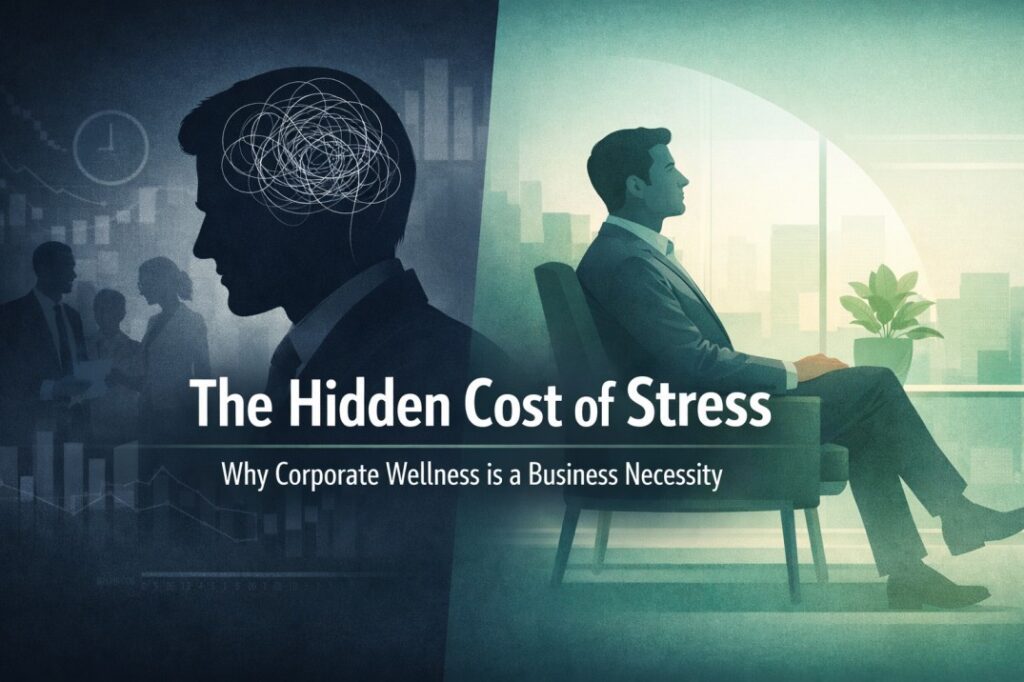

Office pressure is an inevitable reality in today’s hyper-competitive corporate landscape. Whether you are dealing with unrealistic deadlines, micromanagement, or simply the sheer volume of daily tasks, workplace stress can quickly spiral into chronic burnout if left unaddressed. Knowing how to stay mentally strong in office pressure is no longer just a soft skill; it is a vital survival mechanism for your career and personal well-being. This comprehensive guide provides evidence-based strategies, expert insights, and practical tips to help you build unshakeable mental resilience, maintain your emotional equilibrium, and thrive in even the most demanding professional environments.
Understanding the Root Causes of Office Pressure and Mental Fatigue
Before we can effectively conquer workplace stress, we must first understand its psychological mechanics. Corporate pressure often triggers our body’s primal “fight or flight” response. When you face an intimidating project or a difficult manager, your brain releases cortisol and adrenaline, hormones designed for short-term survival rather than long-term productivity. Prolonged exposure to this biochemical state leads to severe emotional exhaustion, cognitive fatigue, and decreased job satisfaction.
Modern workplaces also introduce unique stressors such as the “always-on” culture driven by digital connectivity. The expectation to answer emails after hours blurs the crucial line between personal sanctuary and professional obligation. Recognizing these systemic triggers is the first step in creating a customized defense strategy to protect your mental health while continuing to achieve your career objectives.
Proven Strategies: How to Stay Mentally Strong at Work
Building psychological resilience requires intentional, daily habits. Here are the most effective, research-backed strategies to help you maintain mental strength under extreme office pressure.
1. Establish Impermeable Professional Boundaries
The foundation of workplace mental health is boundary setting. You must clearly define your working hours and stick to them. Communicate your availability to colleagues and managers transparently. When you consistently respond to non-urgent messages at midnight, you inadvertently train your team to disrespect your personal time. Practice saying “no” tactfully but firmly when your plate is completely full. Boundary setting is not a sign of weakness; it demonstrates highly effective time management and self-awareness.
2. Master Emotional Regulation and Mindfulness
When an office crisis hits, the ability to remain calm is your greatest asset. Emotional regulation techniques, such as deep diaphragmatic breathing or brief mindfulness meditations, can instantly lower your heart rate and bring your brain out of its panic state. Taking just five minutes away from your desk to center your thoughts can prevent reactive outbursts and allow you to approach the problem with a clear, logical, and solution-oriented mindset.
3. Focus on Controllable Factors
A significant portion of office anxiety stems from agonizing over things completely out of your control, such as a client’s sudden change of mind or a macroeconomic shift affecting company budgets. To stay mentally strong, aggressively shift your focus toward what you can control: your attitude, your work ethic, your preparation, and your daily output. Let go of the rest to conserve your vital mental energy.
4. Prioritize the Physical Anchors of Mental Health
You cannot compartmentalize the brain from the body. Your psychological resilience is heavily dependent on your physical state. Prioritizing seven to eight hours of quality sleep, maintaining a nutrient-dense diet, and engaging in regular physical exercise are non-negotiable. These physical anchors buffer the brain against stress and provide the sustained energy required to navigate complex corporate challenges.
Building Long-Term Psychological Resilience
Sometimes, despite our best efforts, the sheer weight of office pressure can break our defenses. Acknowledging vulnerability is a crucial part of building long-term mental fortitude. Healing and bouncing back from corporate burnout requires patience, self-compassion, and the willingness to seek out transformative life lessons from our darkest moments.
For instance, understanding how someone successfully rebuilt his life after emotional breakdown provides an incredibly inspiring blueprint for professional recovery. It proves that a career setback or emotional collapse does not define your future. Furthermore, utilizing therapeutic techniques to actively convert your emotional pain to self strength can turn your vulnerabilities into powerful armor, making you drastically more resilient and adaptable to future workplace challenges.
Expert Psychological Insights on Workplace Wellness
When navigating severe workplace burnout, professional guidance makes all the difference. Dr. Kaveri Bhatt is a highly respected psychological expert dedicated to helping professionals overcome debilitating corporate stress and emotional exhaustion. With years of clinical experience in cognitive behavioral techniques and emotional resilience training, she empowers individuals to reclaim their mental clarity and professional confidence. Her holistic approach goes beyond simple stress management, delving deep into the root causes of anxiety to foster genuine psychological transformation. By providing tailored strategies, she ensures that her clients not only survive demanding work environments but genuinely thrive in them, achieving a sustainable work-life balance that nurtures long-term well-being and profound inner peace.
Why Healthify Happiness is Your Ideal Mental Wellness Partner
Choosing the right support system is paramount when addressing workplace stress and mental health challenges. Healthify Happiness stands out as a premier destination for psychological healing because of our unwavering commitment to compassionate, evidence-based care. We do not believe in one-size-fits-all solutions. Instead, we offer highly personalized wellness strategies designed to fit your unique personal and professional life. Our platform connects you with seasoned experts who utilize cutting-edge therapeutic practices to foster sustainable emotional growth. Whether you are dealing with minor office anxiety or recovering from severe corporate burnout, Healthify Happiness provides the safe, confidential, and empowering environment you need to truly transform your life.
Conclusion
Staying mentally strong in a high-pressure office environment is an ongoing journey of self-discovery, boundary setting, and proactive emotional management. By understanding the root causes of your stress, applying actionable resilience strategies, and seeking expert support when necessary, you can protect your psychological well-being. Remember that your mental health is far more valuable than any deadline or corporate milestone. Prioritize yourself, embrace professional guidance, and step into a calmer, more empowered version of your professional self.
Take the first step towards healing today.
Frequently Asked Questions (FAQs)
How do I stop letting work stress affect my personal life?
The key is creating physical and psychological boundaries. Implement a “transition ritual” at the end of your workday, such as a short walk, a workout, or changing your clothes, to signal to your brain that the professional day has concluded. Turn off work notifications on your personal devices to prevent office stress from infiltrating your home life.
What are the early signs of workplace burnout?
Early warning signs include chronic fatigue, dreading the start of the workweek, increased irritability with colleagues, a noticeable drop in productivity, and experiencing physical symptoms like tension headaches or insomnia. Recognizing these signs early allows you to intervene before full-scale burnout occurs.
How can I professionally tell my boss I have too much work?
Approach the conversation with data, not just emotion. Outline your current projects, estimate the time required for each, and ask your manager for help prioritizing. Say something like, “To ensure I deliver high-quality results on these core tasks, I need your guidance on which lower-priority items we can delegate or push to next quarter.”