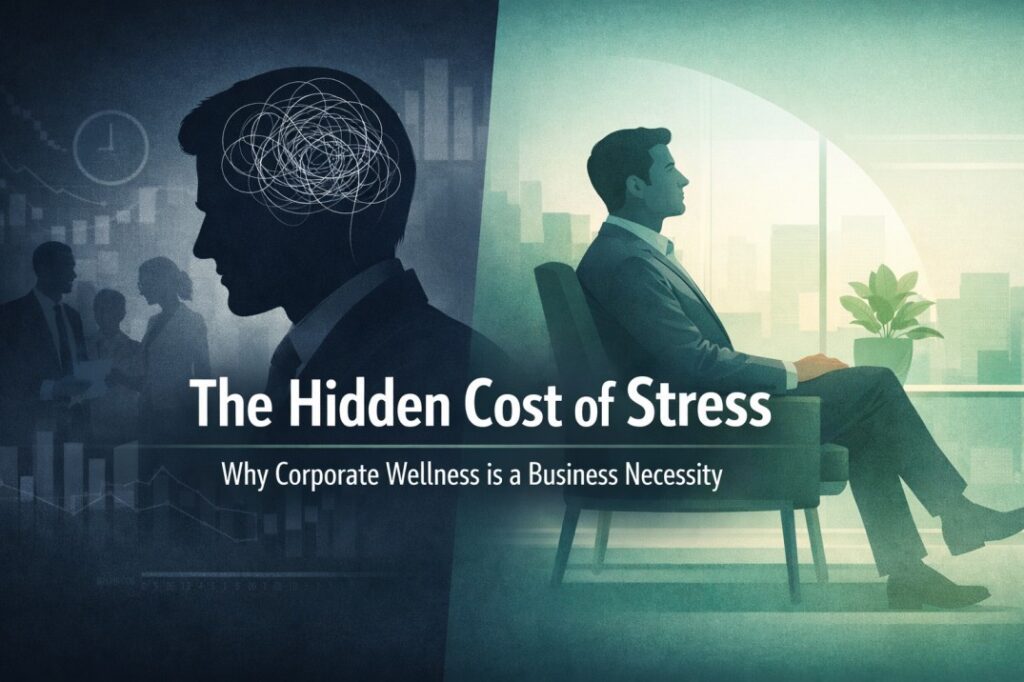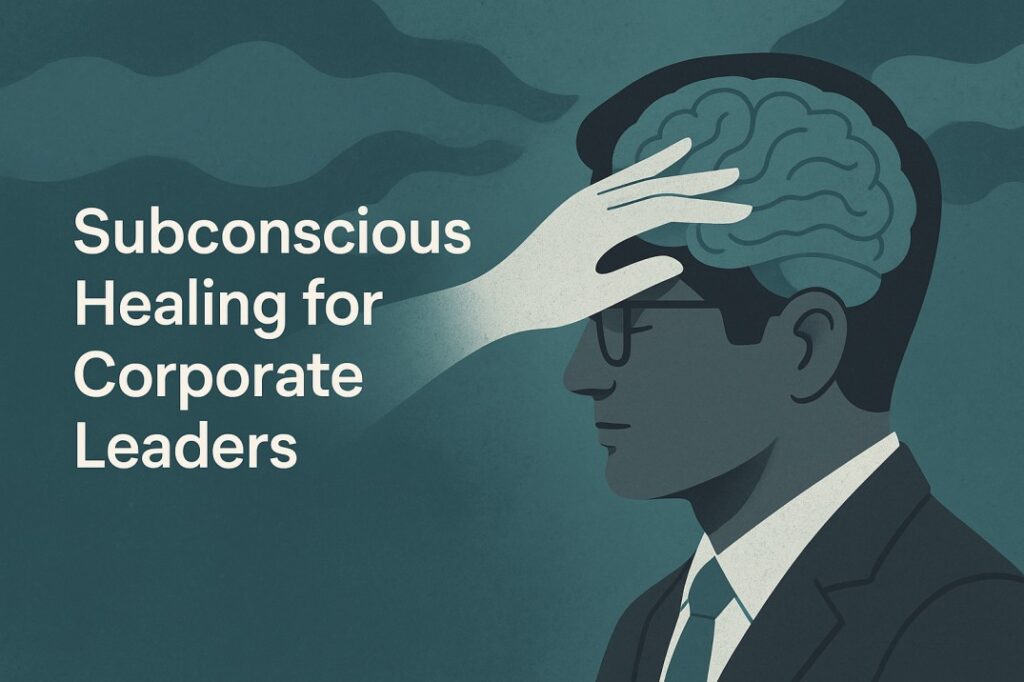

Work stress can quietly take over your thoughts long before you notice its impact. It often begins with a busy schedule, unanswered messages, or constant pressure to perform. Over time, that pressure starts affecting your sleep, relationships, confidence, and emotional balance without making a loud entrance.
Many people believe they simply need to work harder or become stronger. In my practice, I often meet individuals who blame themselves for feeling exhausted when, in reality, their nervous system has been carrying far more than it was designed to handle. Stress is not always a sign of weakness. Sometimes it is a signal that your mind has been asking for care for a long time.
This guide is written from a trauma-informed perspective to help you understand what chronic workplace pressure really does to your emotional well-being. Dr. Kaveri Bhatt believes lasting healing begins with awareness rather than self-criticism. Once you understand the hidden patterns behind stress, meaningful change becomes possible.
You do not have to quit your job to regain your peace. Small shifts in emotional awareness, healthy boundaries, and nervous system regulation can gradually transform the way you experience work. The goal is not simply to survive another week. It is to create a life where success no longer comes at the cost of your inner calm.
Why Work Stress Feels Overwhelming
Work rarely becomes emotionally painful because of a single difficult day. Most emotional exhaustion develops through repeated exposure to pressure without enough opportunities to recover. The nervous system slowly shifts into survival mode, making even simple responsibilities feel heavy.
Many professionals spend their entire day responding to deadlines while ignoring their own emotional needs. They postpone meals, silence uncomfortable feelings, and continue performing because they believe stopping means falling behind. Eventually, the body begins expressing what the mind has been suppressing.
One important reason work stress becomes overwhelming is that it rarely stays inside the office. It follows people home, interrupts conversations, affects parenting, reduces patience, and even changes the quality of sleep. Emotional safety begins disappearing long before physical exhaustion becomes obvious.
When stress remains unresolved for months, your brain starts expecting danger even during peaceful moments. This explains why many people struggle to relax on weekends or continue thinking about work while spending time with loved ones.
Hidden Signs Your Peace Is Fading
Not every sign of emotional overload looks dramatic. Sometimes the earliest symptoms appear as constant irritability, difficulty concentrating, or feeling emotionally disconnected from activities that once brought joy. These subtle changes deserve attention rather than dismissal.
You may notice that your patience disappears quickly or that small workplace issues trigger unusually strong emotional reactions. These responses often indicate accumulated stress rather than personal failure.
Another common sign involves emotional numbness. Instead of feeling anxious, some individuals simply stop feeling excited altogether. They continue meeting expectations while internally feeling detached from their purpose and relationships.
Physical symptoms can also emerge without an obvious medical explanation. Frequent headaches, muscle tension, digestive discomfort, and restless sleep often accompany prolonged emotional strain. Treating only the physical symptoms may provide temporary relief while leaving the deeper emotional pattern untouched.
What Happens Inside Your Mind and Body
Your brain is designed to protect you from danger. During periods of intense workplace pressure, it releases stress hormones that temporarily improve alertness and focus. While this response is helpful in emergencies, remaining in that state every day gradually becomes harmful.
Over time, chronic stress affects memory, emotional regulation, and decision-making. Many people become frustrated because they suddenly forget simple tasks or struggle to concentrate despite working harder than ever before.
The body also stores emotional experiences. Tight shoulders, shallow breathing, fatigue, and persistent restlessness are often connected to an overactive nervous system rather than laziness or lack of motivation.
Understanding these reactions reduces unnecessary self-blame. Your mind is not working against you. Instead, it is trying to protect you using survival strategies that are no longer serving your present reality.
A Real Healing Journey
During one consultation, I met Neha, a 34-year-old product manager from Indore. She described feeling emotionally empty despite receiving promotions that she had worked toward for years. Every morning began with anxiety, and every evening ended with guilt because she had little energy left for her family.
As we explored her experiences, it became clear that her stress was not only about workload. She had developed a deep belief that resting meant becoming replaceable. That belief had quietly shaped every professional decision she made, leaving almost no space for emotional recovery.
Our healing approach focused on calming her nervous system before addressing productivity. We introduced breath regulation, subconscious emotional release exercises, reflective journaling, and healthier workplace boundaries. Progress was gradual, but each week she reported feeling more present and less reactive.
Within a few months, Neha noticed something unexpected. Her performance at work actually improved because she was no longer operating from constant fear. She slept better, reconnected with her loved ones, and regained a sense of peace that success alone had never provided.
How Dr Kaveri Bhatt Helps
Healing from chronic workplace pressure requires more than motivational advice. Every person’s emotional history is different, which is why my approach combines trauma-informed care with practical tools that support lasting emotional regulation.
I integrate techno-spiritual healing practices with evidence-informed emotional wellness techniques. Sessions may include subconscious belief exploration, guided emotional release, nervous system regulation, mindful awareness practices, and practical strategies that can be applied during a normal workday.
Many clients also benefit from rebuilding daily consistency because emotional resilience grows through small habits repeated with compassion. If creating sustainable routines feels difficult, this guide on building lasting consistency offers practical insights that extend beyond academics into everyday life.
For those already feeling emotionally exhausted, recovery should begin before complete burnout develops. I also recommend reading this resource about recovering from workplace burnout, which explains why burnout is more than simple tiredness and how healing can begin safely.
Above all, my goal is not to help people tolerate unhealthy stress forever. The objective is to restore emotional safety, strengthen self-awareness, and create healthier relationships with work, success, and personal well-being.
What Clients Say
Aarav Sharma, Pune
“I thought changing my company would solve everything. Therapy helped me realize I had been carrying fear from previous experiences into every workplace. I now feel calmer, sleep better, and enjoy my evenings without constantly checking work messages.”
Meenal Kapoor, Chandigarh
“I had forgotten what genuine peace felt like. The sessions helped me understand my emotional triggers instead of judging them. My confidence returned gradually, and I no longer feel guilty for taking healthy breaks.”
Rohan Iyer, Kochi
“I expected productivity coaching but experienced much deeper healing. Understanding my nervous system completely changed the way I respond to workplace pressure. My relationships at home have also become much healthier.”
Forum Questions People Often Ask
Can work stress really affect relationships at home?
Question: I stay patient at work but become irritated with my family after returning home. Is this connected to workplace stress?
Answer: Yes. Emotional energy is limited. When your nervous system spends the entire day managing pressure, very little emotional capacity remains by evening. Learning recovery techniques before reaching home often improves both communication and emotional presence.
Is taking a short break enough to recover?
Question: I took a vacation but started feeling stressed again within a few days. Why did that happen?
Answer: Temporary breaks help the body rest, but deeper emotional patterns often remain unchanged. Long-term recovery usually requires healthier boundaries, nervous system regulation, and addressing subconscious beliefs that keep stress cycles active.
How can I tell whether my stress is temporary or becoming emotionally harmful?
Temporary stress usually reduces after rest or completing an important task. If emotional exhaustion continues for several weeks, affects sleep, relationships, motivation, or physical health, it deserves careful attention. Early support often prevents deeper burnout and promotes healthier emotional recovery.
Can I improve my emotional health without leaving my current job?
Yes. Many people regain emotional balance while staying in the same workplace. The key is learning healthier boundaries, regulating the nervous system, changing unhelpful thought patterns, and creating sustainable recovery habits instead of relying only on vacations.
Why do I feel guilty whenever I take a break from work?
Feelings of guilt often develop from long-standing beliefs that self-worth depends entirely on productivity. Exploring these beliefs with self-awareness and compassionate guidance can gradually replace guilt with a healthier understanding of rest and personal value.
Can unresolved work stress create physical symptoms?
Yes. Persistent workplace pressure may contribute to headaches, muscle tightness, digestive discomfort, poor sleep, and constant fatigue. While medical evaluation remains important, emotional regulation often becomes an essential part of long-term recovery as well.
When should I seek professional support for work-related emotional distress?
If workplace pressure consistently affects your peace, relationships, confidence, or daily functioning despite your efforts, professional guidance can provide structured tools that help you recover safely and prevent emotional exhaustion from becoming more severe.
Finding Your Peace Again
Healing from work stress does not require becoming a different person. It begins with recognizing that your emotional well-being deserves the same attention you give your responsibilities. Small, compassionate changes practiced consistently often create the strongest and most lasting transformation.
Peace is not something you earn after completing every task on your list. It is a state you can gradually rebuild by listening to your body, respecting your emotional limits, and creating healthier patterns that support both success and well-being. Work can remain meaningful without becoming the center of your entire identity.
If you have been carrying silent emotional pressure for months or even years, remember that recovery is possible. Every step toward awareness, self-compassion, and emotional healing strengthens your ability to live with greater clarity, resilience, and genuine inner calm.
Take the first step towards healing today.